 We Serve GTA & Across Ontario!
Secondary Chemical & Fuel Containment Linings
Regulatory-Compliant, Fuel-Resistant Polyurea Environmental Barriers
Seamless, elastomeric polyurea containment membranes engineered for industrial assets. We line concrete bund walls, tank farm footprints, fuel loading pads, and chemical process areas — meeting TSSA, MECP, and EPA compliance requirements across Ontario’s petrochemical, manufacturing, and transit infrastructure.

Our Canadian Suppliers, Partners, Clients & Credentials


What Happens When Industrial Containment Systems Fail
Why Ontario’s Industrial Operators Choose Polyurea Containment Linings
Seamless, Chemical-Impenetrable Barrier
Pure polyurea forms a monolithic, zero-joint membrane across entire containment areas — no seams, no lap joints, no fasteners. The membrane is chemically resistant to fuels, solvents, acids, and alkalis, creating an impermeable safety tub that captures 100% of any spill volume.
300%+ Elongation — Crack-Bridging Through Thermal Cycles
Ontario’s extreme temperature swings (-30°C to +35°C) cause concrete to expand and contract. Polyurea’s 300-800% elongation stretches across structural movement and cracks without failing — maintaining containment integrity through decades of freeze-thaw cycling.
Rapid Cure — Minimize Facility Downtime
Polyurea sets tack-free in seconds and achieves full chemical resistance within 24 hours. Your containment area returns to service the same day — eliminating the multi-day curing downtime required by epoxy and fiberglass systems.
TSSA & MECP Regulatory Compliance
Our containment linings are engineered to meet TSSA Liquid Fuels Handling Code requirements (110% capacity), CAN/ULC-S668 standards, and MECP environmental regulations. Full documentation packages provided for regulatory files and facility compliance audits.
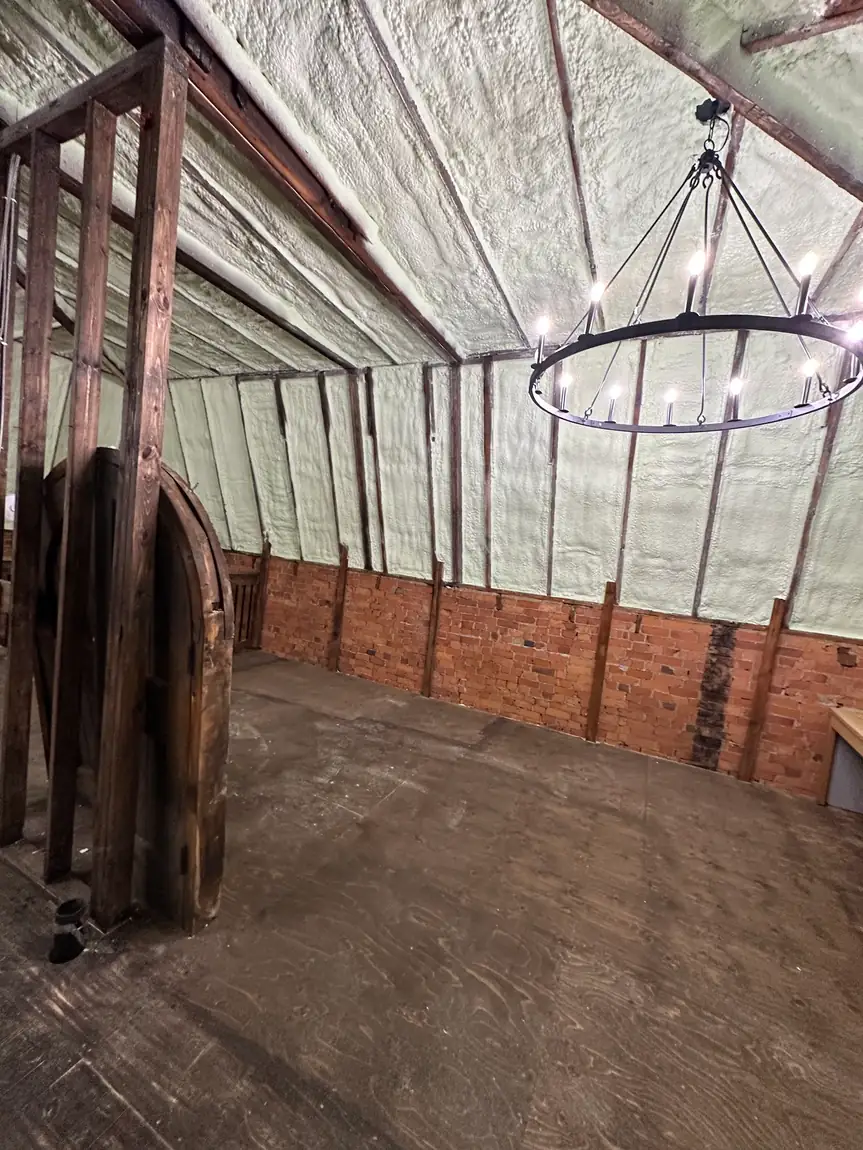
How We Engineer Your Containment System
Containment Assessment & Regulatory Review
Our coatings engineer evaluates the existing containment area: concrete condition, stored chemical compatibility, capacity requirements (110% TSSA), drainage design, and regulatory compliance gaps. We determine the optimal lining specification for your specific chemical exposure profile.
Surface Preparation & Crack Repair
Concrete surfaces prepared via high-pressure water jetting, mechanical abrasion, or abrasive blasting to ICRI CSP 3-5. All cracks, construction joints, and penetrations repaired with chemical-resistant mortars. Surface profile verified before primer application.
Chemical-Resistant Primer Application
Specialized primer selected based on substrate condition and chemical exposure profile. Primer ensures maximum adhesion to prepared concrete and creates a chemical bridge between the substrate and polyurea membrane.
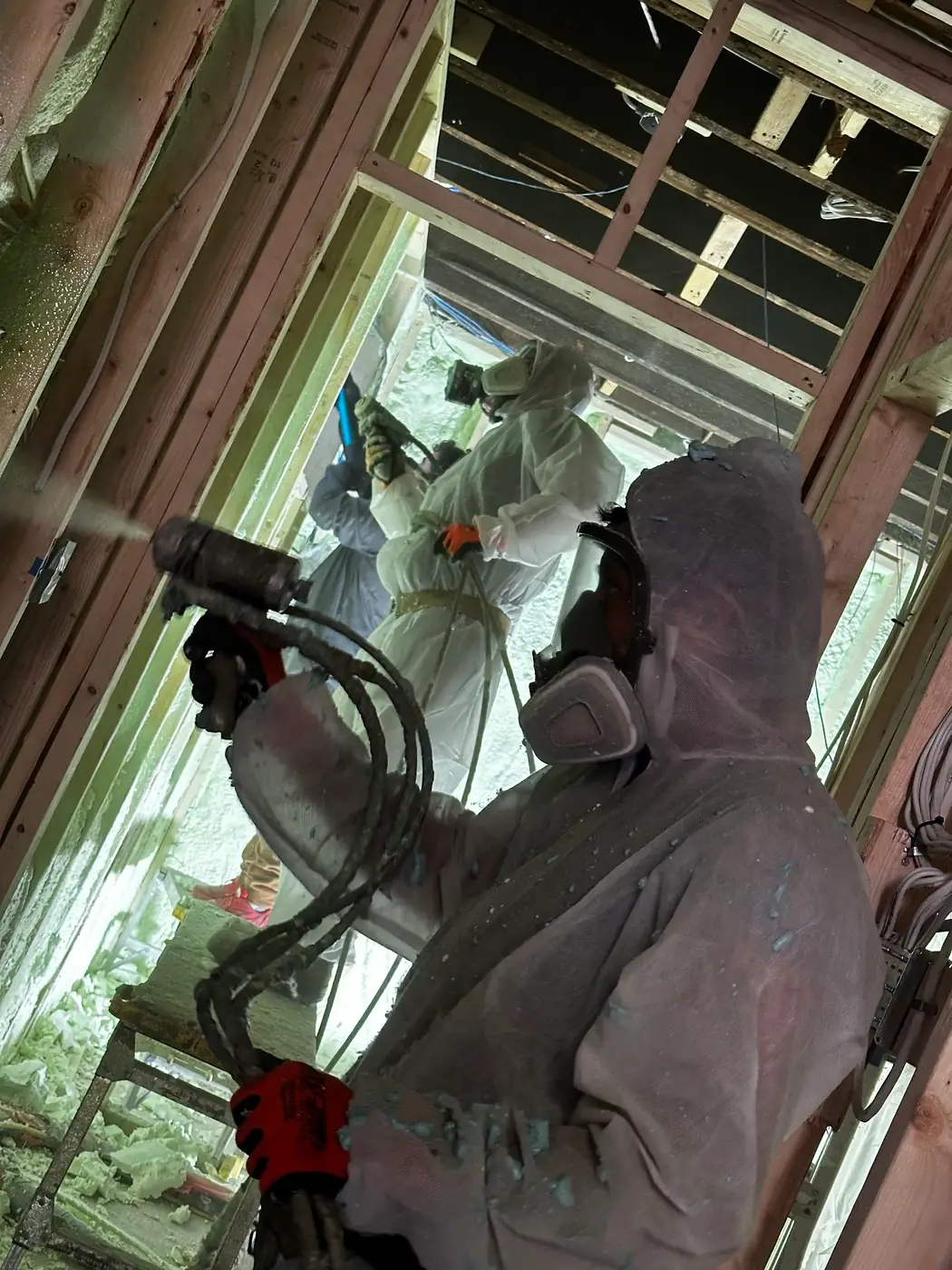
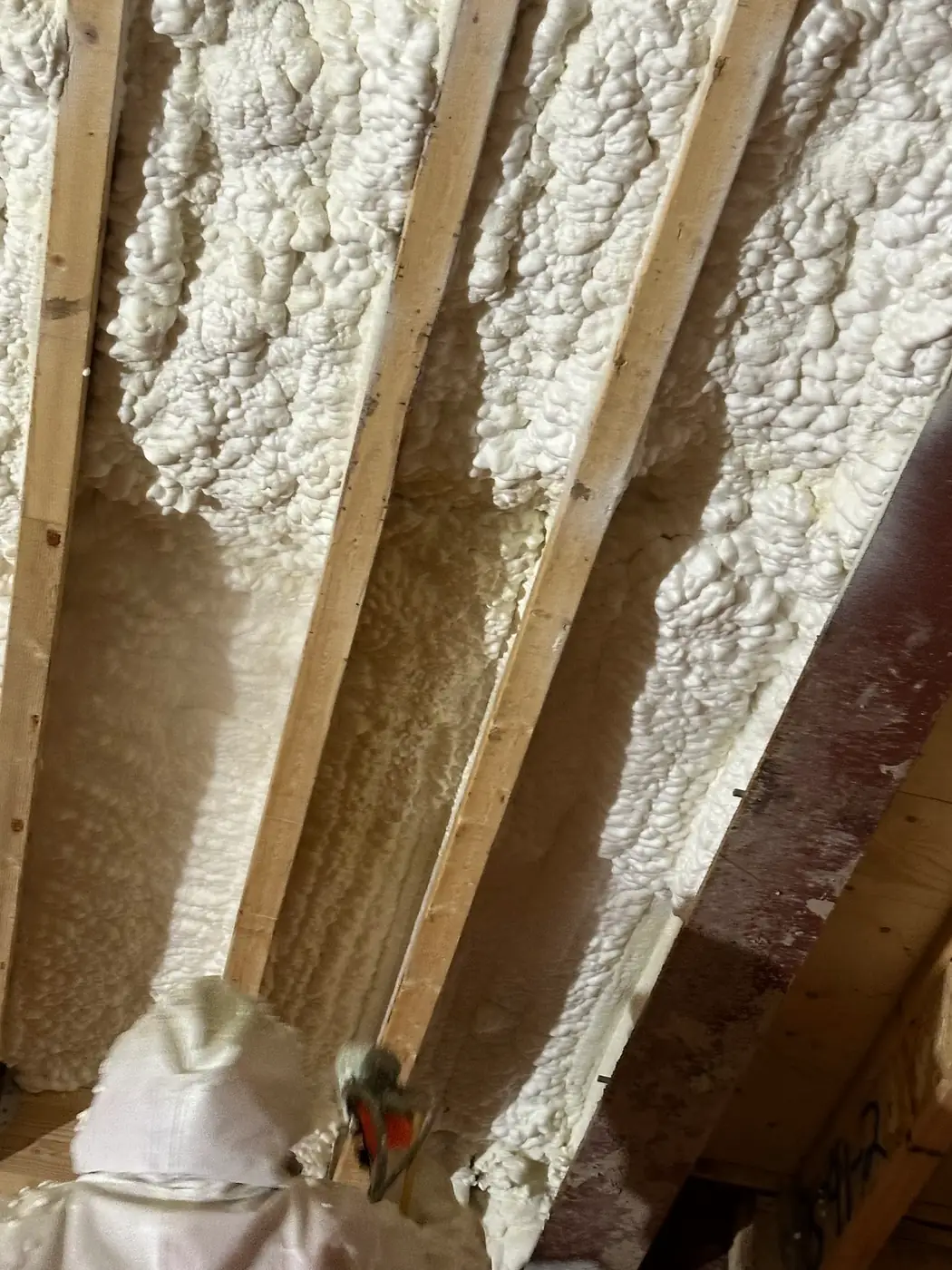
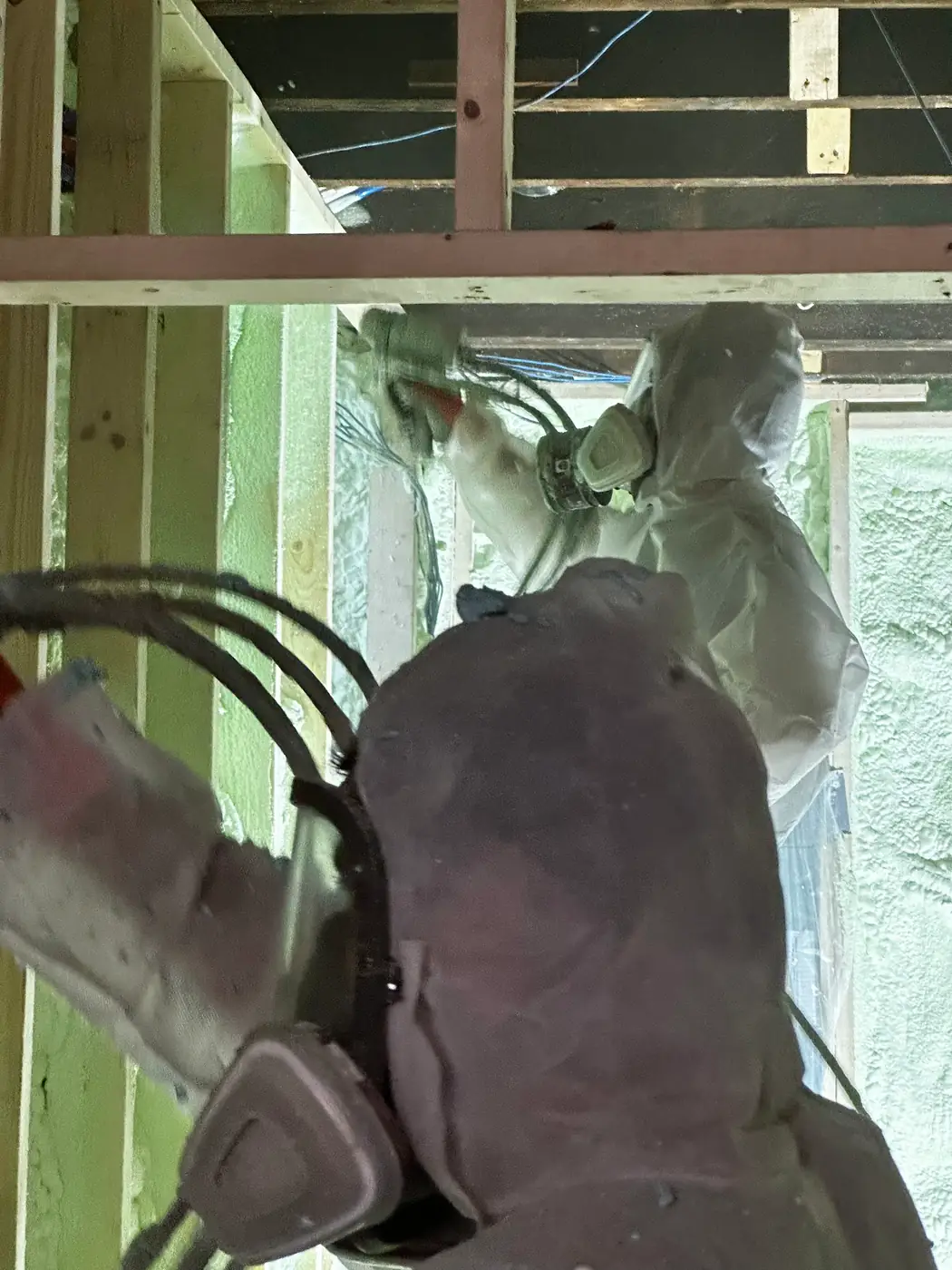
High-Pressure Polyurea Spray Application
Pure polyurea sprayed at 2,000-2,500 PSI in controlled passes to specified thickness (typically 80-125+ mils for containment). Material sets tack-free in seconds, building a seamless membrane across floors, walls, curbs, and penetrations.
Quality Verification & Compliance Documentation
DFT verification at multiple points. Holiday/spark testing across 100% of the membrane. Chemical compatibility certification. Full documentation package prepared for TSSA compliance files, MECP environmental records, and facility insurance requirements.
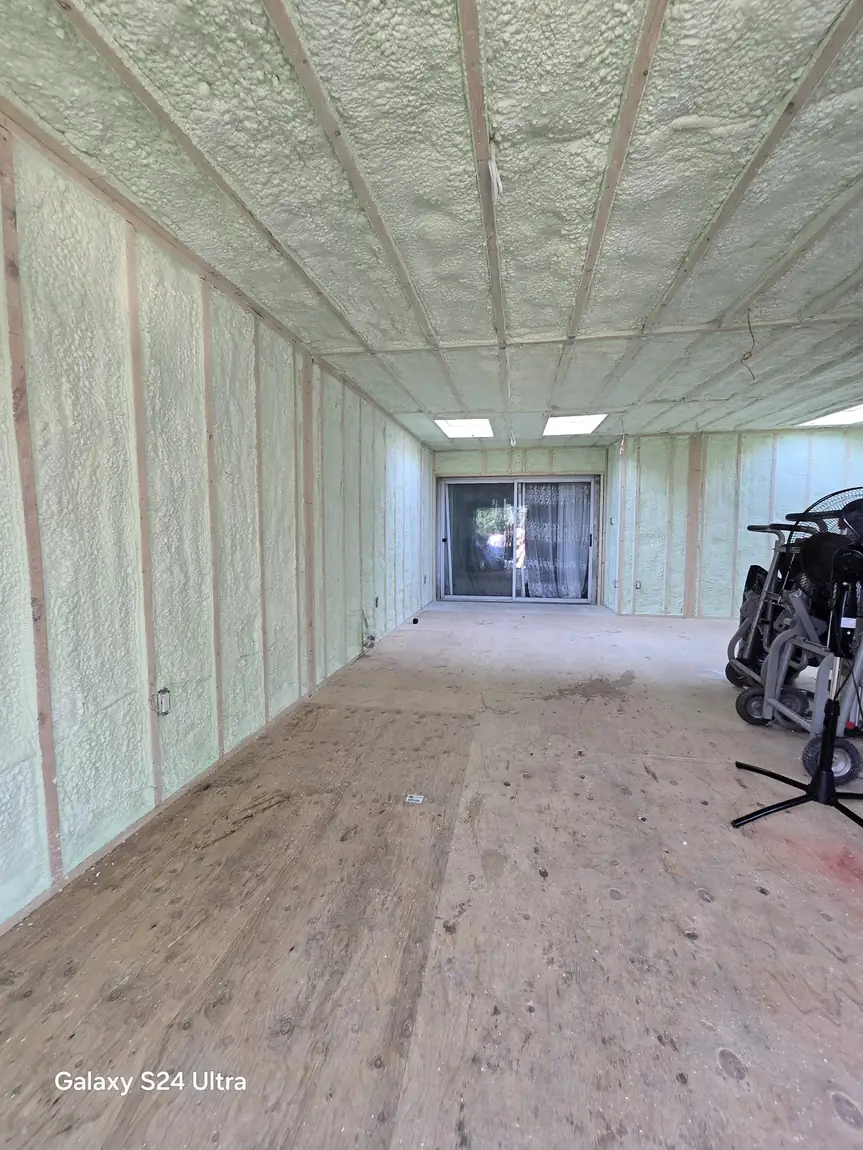
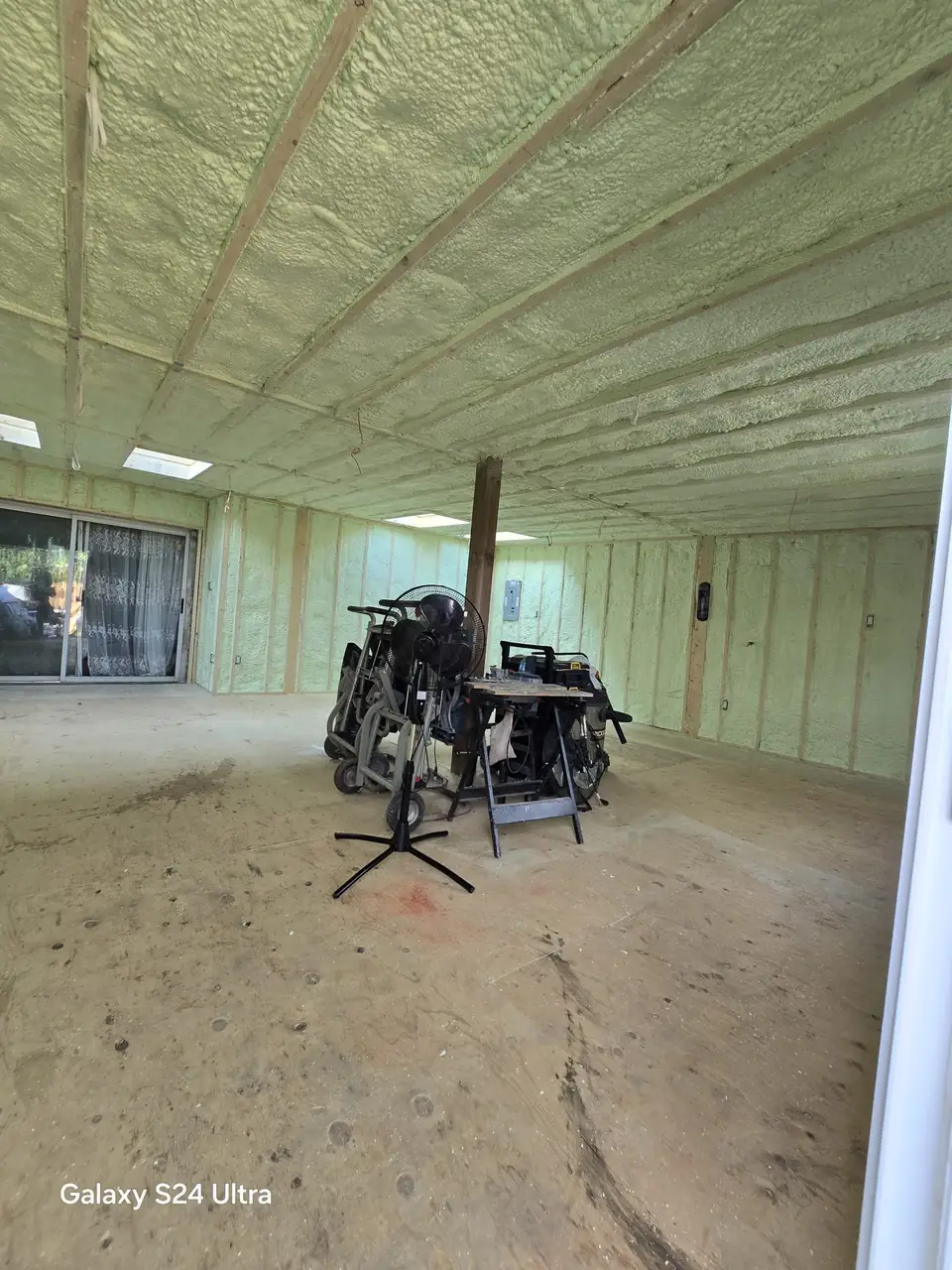
What We Use & Why
Foam Type
Pure Polyurea (100% Solids, Zero VOC)
Chemical-resistant polyurea selected based on stored product compatibility. Systems include Elastochem Hygrothane (Brantford, ON), VersaFlex V-Series, and Nukote Aegis — all tested for resistance to fuels, solvents, acids, and alkalis per ASTM immersion protocols.
Thickness
80-125+ mils (2.0-3.2mm) for containment applications
Service Life
30-50+ years in chemical containment environments
2026 Secondary Chemical & Fuel Containment Linings Spray Foam Cost & Ontario Building Code Specs
In-Depth: Secondary Chemical & Fuel Containment Linings
5-7 min read
ONTARIO SECONDARY CONTAINMENT REGULATIONS
- TSSA Liquid Fuels Handling Code: Facilities storing 5,000+ litres of fuel must have secondary containment capable of holding 110% of the largest tank’s capacity. The containment must be liquid-tight, chemically compatible, and structurally sound.
- CAN/ULC-S668: National standard for liners used in aboveground flammable/combustible liquid storage tank containment. Our polyurea systems are tested against this standard for chemical resistance and impermeability.
- MECP Environmental Protection Act (EPA): Ontario’s EPA and Ontario Water Resources Act (OWRA) mandate strict prevention of contaminant discharge to soil and groundwater. Containment failures trigger mandatory remediation orders.
- Professional Engineering Requirement: For TSSA-regulated facilities, a Professional Engineer (P.Eng.) must verify that the containment system specification and installation meet Liquid Fuels Handling Code performance criteria.
- Documentation: Facilities must maintain detailed records of containment inspections, maintenance, and repairs for TSSA and MECP compliance audits.
Our role: We provide complete documentation packages — material certifications, chemical compatibility data, adhesion testing, DFT verification, and holiday test reports — supporting your facility’s regulatory compliance files.
Frequently Asked Questions
60-Second Instant Ballpark
Related Secondary Chemical & Fuel Containment Linings Cost & Building Code Guides
Proudly Serving Toronto, GTA & All of Ontario
Direct contractor pricing · Caliber Certified (CAN/ULC-S705.2) Installers · $0 Travel Fee Across Ontario
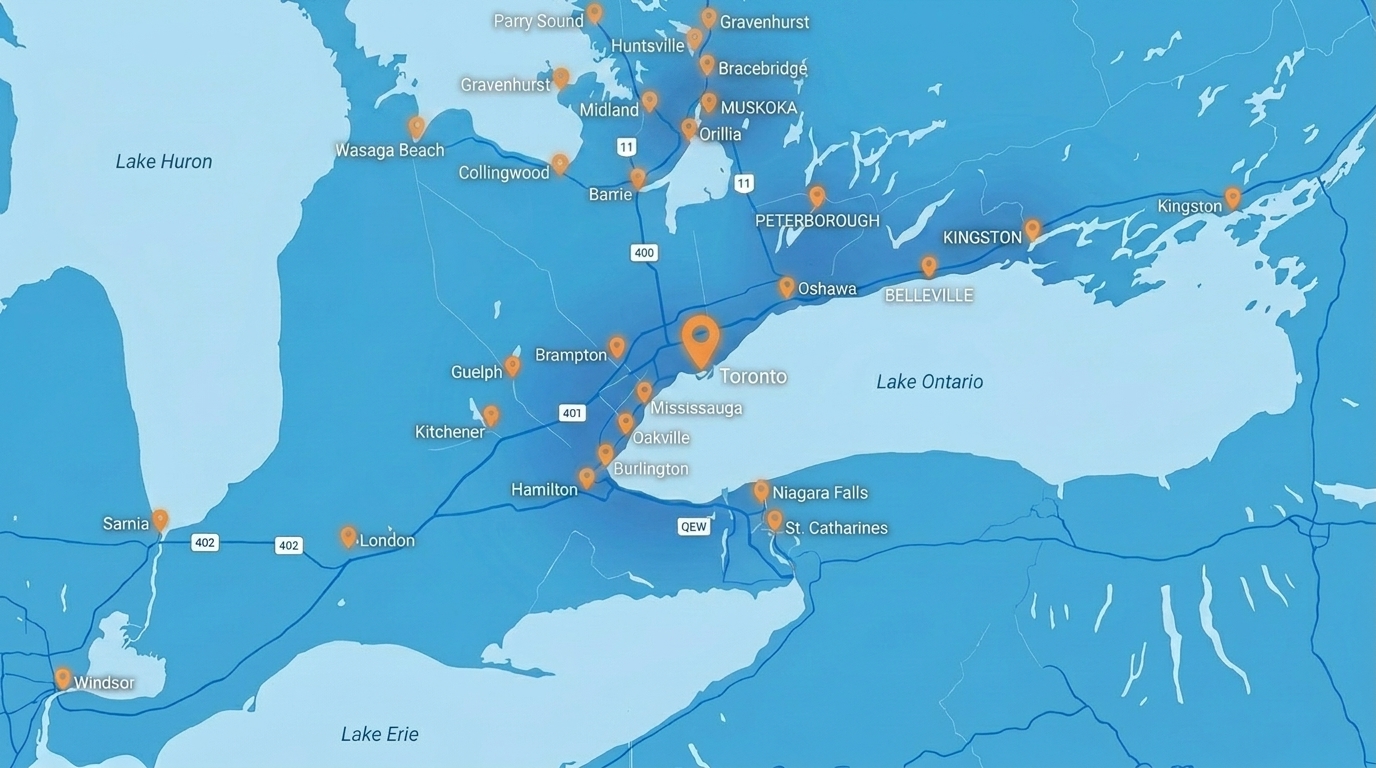
With regional mobile crews stationed right near you, we charge $0 travel fees and stand as the best, most trusted contractor to serve your home or commercial building anywhere in Ontario.