 We Serve GTA & Across Ontario!
High-Traffic Parking Deck & Bridge Waterproofing Membranes
Ultra-Durable Traffic Toppings Built to Shield Concrete
High-elongation polyurea traffic toppings engineered for Ontario’s severe freeze-thaw cycles and relentless road salt exposure. We waterproof commercial parking structures, interior ramps, pedestrian plazas, and structural bridge decks — bridging moving cracks while completely sealing out chloride and water to protect structural rebar.
Our Canadian Suppliers, Partners, Clients & Credentials









What Happens When Parking Decks & Bridge Structures Go Unprotected
Why Ontario’s Property Owners Choose Polyurea Traffic Toppings
Complete Chloride & Water Barrier
Polyurea creates a seamless, impermeable membrane that completely blocks chloride ion penetration from road salt — the primary cause of rebar corrosion in Ontario parking structures. Zero permeability means zero corrosion risk.
300%+ Elongation — Bridges Moving Structural Cracks
Parking decks move. Temperature changes, vehicle loads, and structural settling create dynamic cracks. Polyurea’s 300%+ elongation stretches across moving cracks (up to 1/8") without tearing — maintaining a continuous waterproof seal even as the structure shifts.
Vehicular Traffic-Rated — Abrasion & Impact Resistant
Our traffic-grade polyurea systems handle thousands of daily vehicle passes, tire turns on ramps, and snow plow blade contact without wearing through. Non-slip aggregate broadcast provides safe pedestrian and vehicle traction in all conditions.
Rapid Cure — Minimal Parking Disruption
Polyurea achieves walk-on cure in minutes and full vehicular traffic in hours. Weekend applications allow parking structures to return to full service by Monday morning — no extended closures, no tenant disruption.
How We Protect Your Parking Deck
Structural Assessment & Chloride Testing
Deck condition survey including crack mapping, delamination sounding, chloride ion testing (ASTM C1152), carbonation depth, and rebar cover measurement. We determine if the deck needs waterproofing only, or structural repair + waterproofing.
Concrete Repair & Surface Preparation
All delaminated concrete removed and repaired with structural repair mortars. Cracks routed and sealed. Surface prepared via shot blasting or diamond grinding to ICRI CSP 3-5 to ensure optimal membrane adhesion.
Primer & Detail Work
Penetrating primer applied to prepared concrete. All drains, expansion joints, penetrations, and critical transitions detailed with reinforcing fabric embedded in base coat to handle concentrated movement.
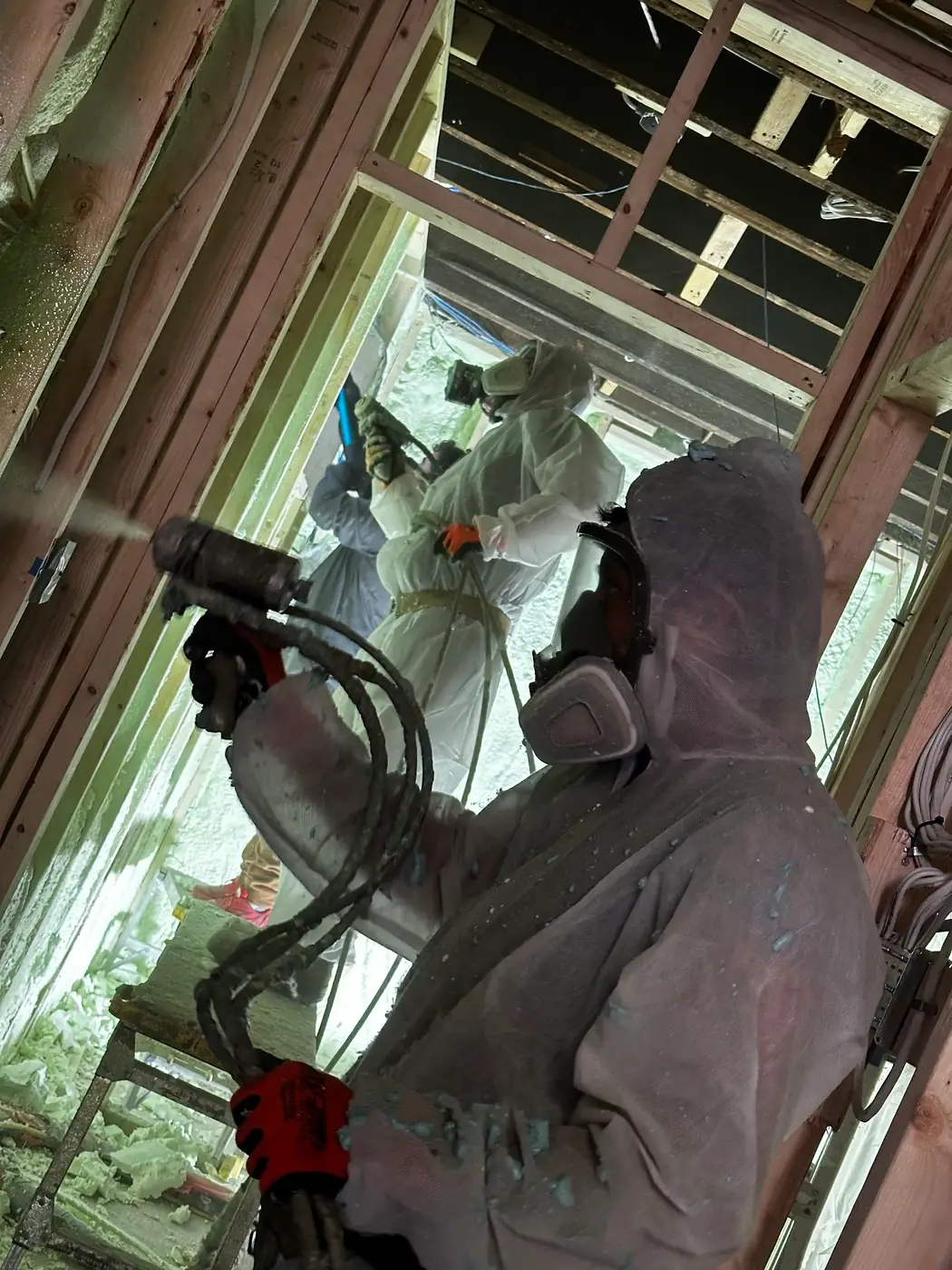
Polyurea Membrane & Traffic Topping
High-build polyurea membrane sprayed in controlled passes (40-80+ mils). Non-slip aggregate broadcast into wet membrane for vehicular traction. Optional decorative color or lane marking integration.
Quality Testing & Warranty Documentation
DFT verification, adhesion pull-off testing (ASTM D7234), holiday testing for pinhole detection. Complete documentation package for property management files, reserve fund studies, and CSA S413 compliance records.
What We Use & Why
Foam Type
Polyurea/Polyurethane Traffic Topping (100% Solids)
Traffic-grade elastomeric membrane systems selected for vehicular abrasion resistance, crack-bridging performance, and chloride impermeability. Systems rated for commercial parking traffic loads with non-slip aggregate finish.
Thickness
40-80+ mils (1.0-2.0mm) membrane + aggregate topping
Service Life
25-40+ years with periodic maintenance recoats
2026 Parking Deck & Bridge Traffic Toppings Spray Foam Cost & Ontario Building Code Specs
In-Depth: Parking Deck & Bridge Traffic Toppings
4-6 min read
HOW ROAD SALT DESTROYS PARKING STRUCTURES
- Step 1 — Salt Application: Ontario uses approximately 5 million tonnes of road salt annually. Vehicles track concentrated salt brine directly onto parking deck surfaces every winter.
- Step 2 — Chloride Penetration: Dissolved chloride ions (Cl⁻) penetrate through unprotected concrete pores via capillary absorption, reaching the embedded reinforcing steel (rebar) typically within 5-15 years.
- Step 3 — Rebar Corrosion: Chloride ions break down the passive oxide film protecting the rebar surface. In the presence of moisture and oxygen, the steel begins to corrode — forming iron oxide (rust).
- Step 4 — Expansive Failure: Rust occupies up to 6x the volume of the original steel. This expansion creates enormous internal pressure, cracking and delaminating the concrete cover from the inside out.
- Step 5 — Structural Compromise: Progressive rebar section loss reduces the load-carrying capacity of the deck. Spalling concrete creates falling hazards. Eventually, the deck requires structural replacement at 10-20x the cost of a timely membrane.
The polyurea solution: A seamless polyurea membrane creates an impermeable barrier at the concrete surface, preventing chloride ions from ever reaching the rebar. One membrane application protects the structure for decades.
Frequently Asked Questions
60-Second Instant Ballpark
Related Parking Deck & Bridge Traffic Toppings Cost & Building Code Guides
Proudly Serving Toronto, GTA & All of Ontario
Direct contractor pricing · Caliber Certified (CAN/ULC-S705.2) Installers · $0 Travel Fee Across Ontario
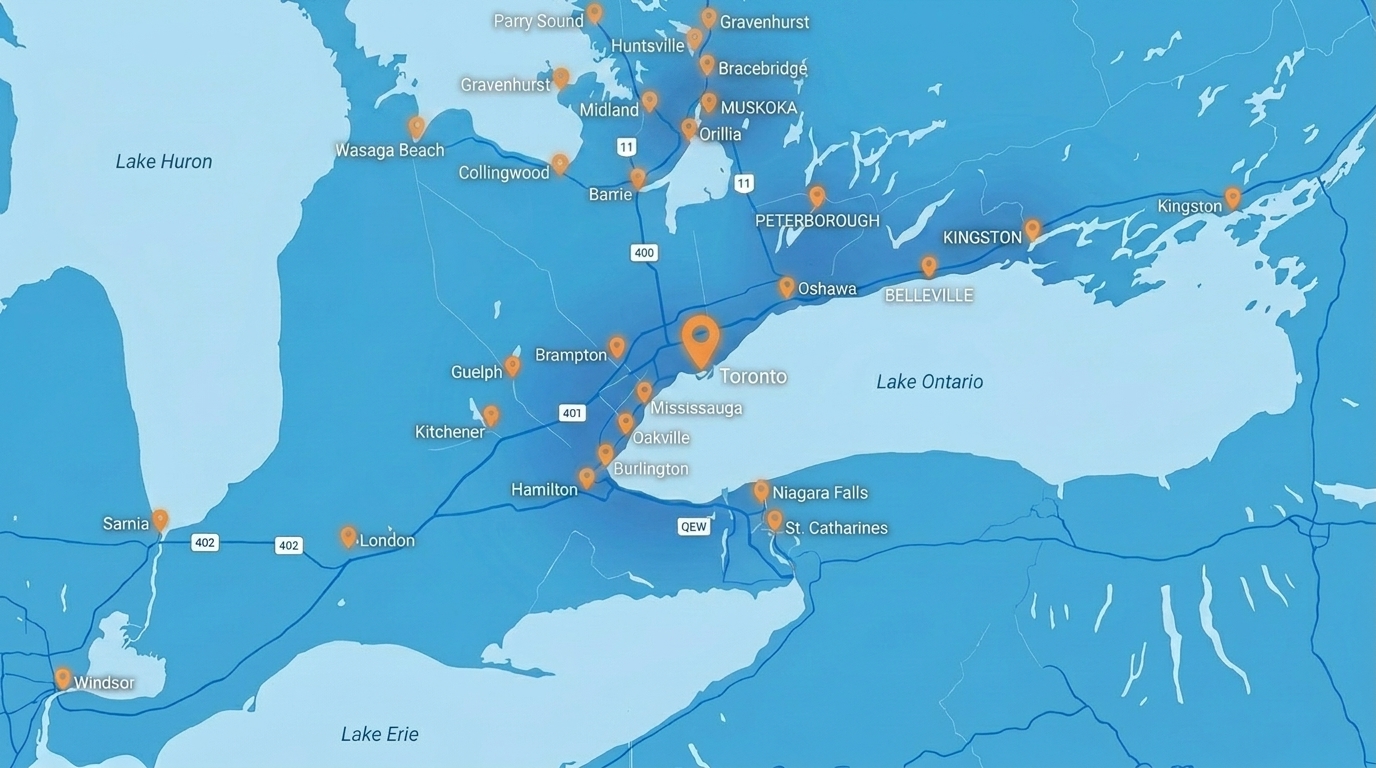
With regional mobile crews stationed right near you, we charge $0 travel fees and stand as the best, most trusted contractor to serve your home or commercial building anywhere in Ontario.