Cementitious Fireproofing for Structural Steel in Ontario: 2026 CAN/ULC-S101 Specs (Monokote MK-6, CAFCO 300 & Carboline)
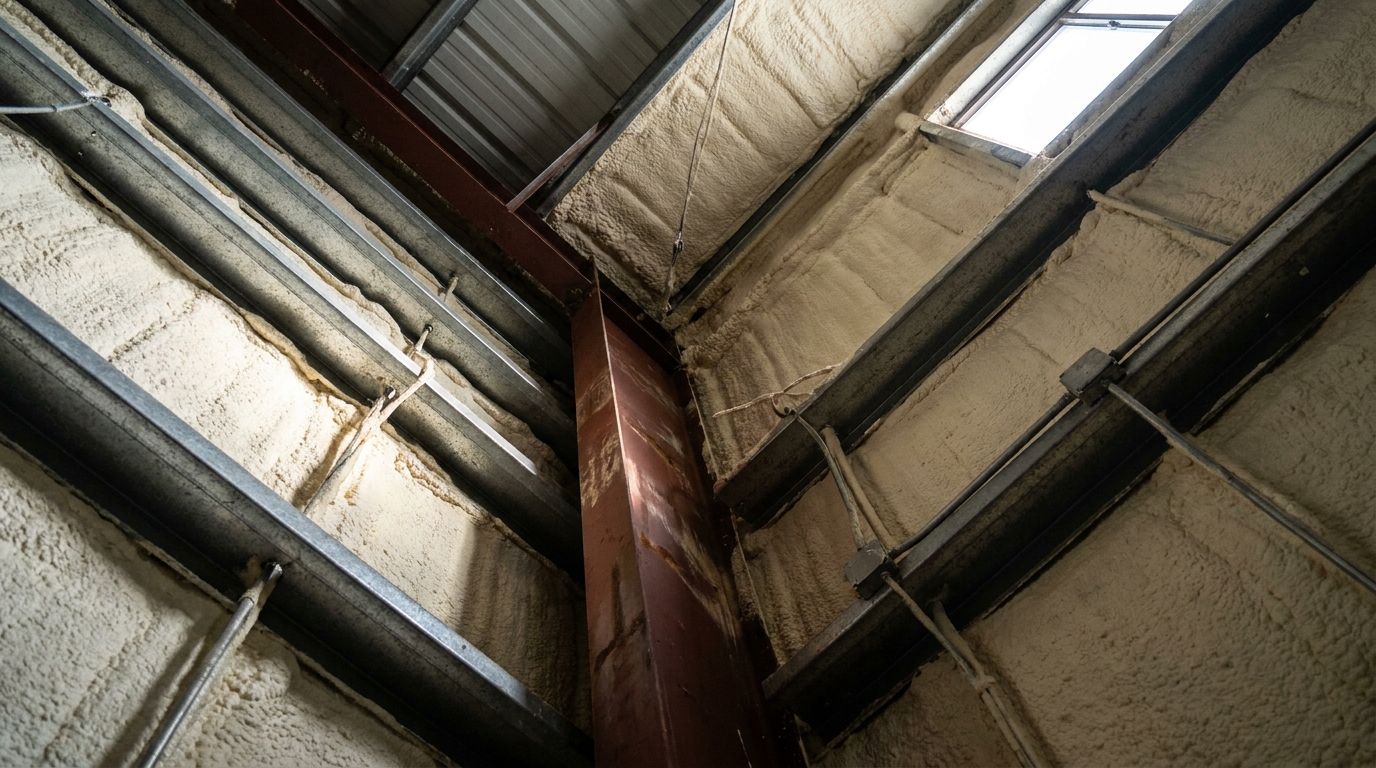
Cementitious Fireproofing for Structural Steel in Ontario: 2026 Ontario Overview & Code Essentials
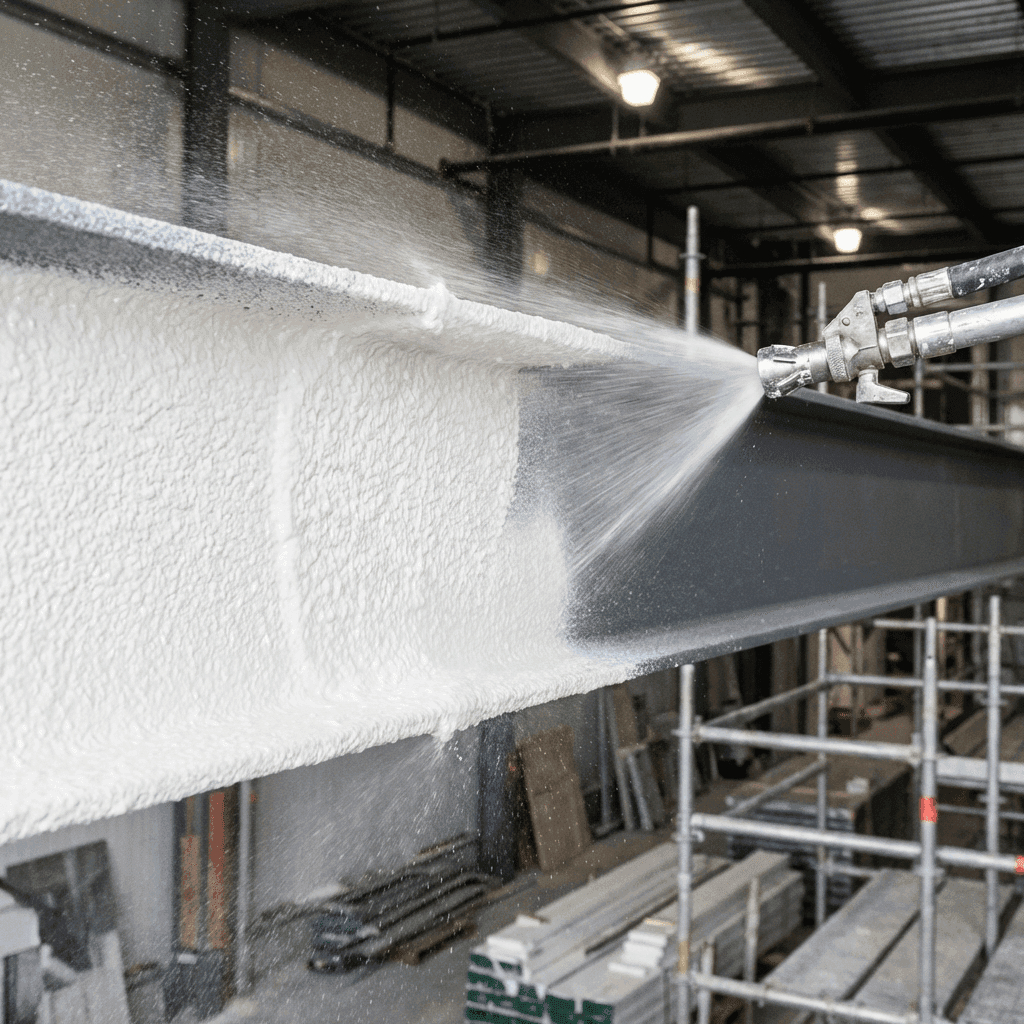
When an architect, structural engineer, or general contractor specifies cementitious fireproofing contractors in Ontario for a commercial tower, industrial warehouse, underground parking podium, or institutional facility, the objective is structural life safety. Unprotected structural steel begins losing 50% of its yield strength at 538°C (1,000°F) and can buckle in under 15 minutes during a commercial fire. Applying Spray-Applied Fire-Resistive Material (SFRM) insulates wide-flange columns, I-beams, open-web steel joists (OWSJ), and fluted metal pan decks so the building skeleton stands for 1, 1.5, 2, 3, or 4 hours under CAN/ULC-S101.
At Sprayfoam Solutions Toronto Inc., our Certified Commercial Fireproofing & Spray-Applied Fire-Resistive Material (SFRM) Installers apply Grace Monokote® MK-6 / MK-6 HY, Z-106, CAFCO® 300 / Isolatek, Carboline Southwest Type 5GP / 7GP (Standard, Medium & High-Density Portland Cement / Gypsum SFRM) tested to CAN/ULC-S101 (1-Hour to 4-Hour Fire-Resistance Ratings) across Toronto, the GTA, and Ontario. For detailed unit rate breakdowns by building type, see our companion 2026 Ontario Cementitious Fireproofing Cost Guide ($2.25–$6.50/sq ft), or Get a $250 Credit on Your Estimate — Check Your Price in 60 Seconds (/price-chat) or Submit Blueprints (/contact).
Compare the 3 primary CAN/ULC-S101 cementitious fireproofing density tiers installed across Ontario Part 3 buildings:
- 1-Hr to 2-Hr CAN/ULC-S101
- Concealed W-Beams, Columns & Fluted Pan Decks
- Includes $250 Estimate Credit
- 1.5-Hr to 3-Hr CAN/ULC-S101
- Parking Garages, Mechanical Rooms & Elevator Shafts
- Moisture & Abrasion Resistant
- 2-Hr to 4-Hr CAN/ULC-S101
- Exposed Loading Docks, Transit Tunnels & High-Humidity Industrial Zones
How Cementitious Fireproofing (SFRM) Protects Structural Steel Under CAN/ULC-S101
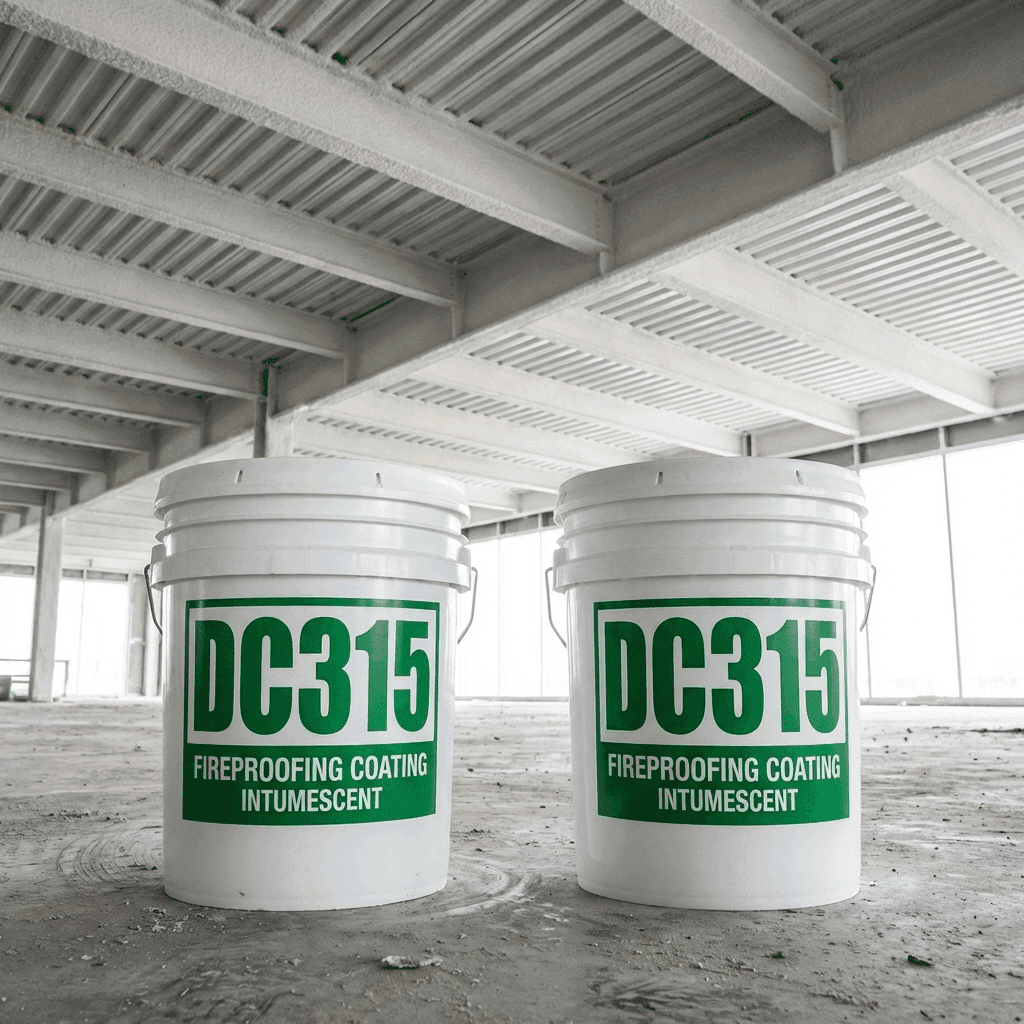
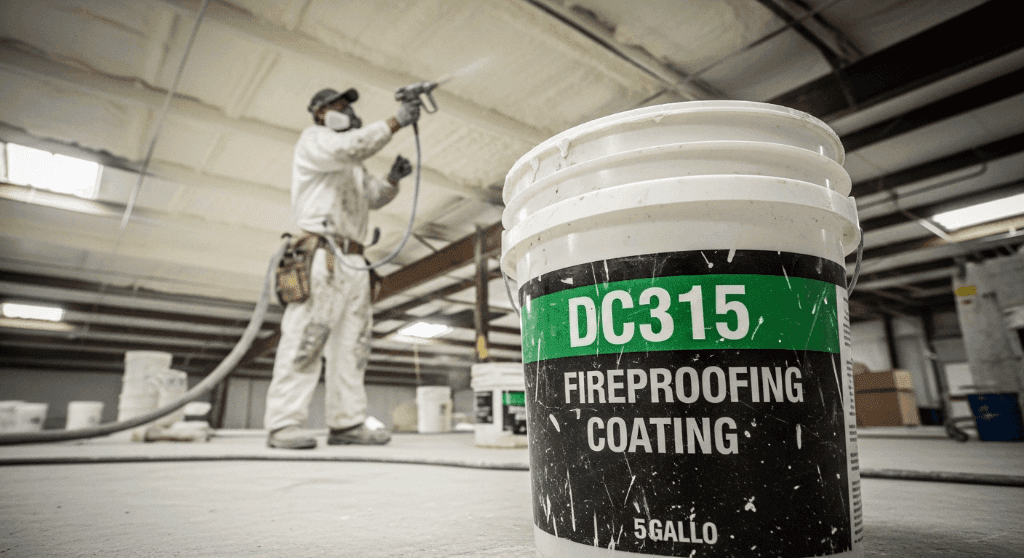
Unlike thin-film architectural intumescent fire coating or residential DC315 thermal barrier coating over spray foam, cementitious SFRM is a wet-mixed gypsum or Portland cement slurry blended with lightweight mineral aggregates (vermiculite, perlite, or expanded ceramic microspheres). Pumped through commercial rotor-stator mixers onto bare or primed structural steel, SFRM cures into a monolithic thermal blanket that slows heat transfer and releases bound water molecules as cooling steam (endothermic heat absorption) during a fire event.
| SFRM Density Class & Product | Dry Density & Bond Strength (ASTM E736) | Primary Structural Steel Substrates | CAN/ULC-S101 Fire Rating & Thickness | Typical 2026 Installed Reference Rate |
|---|---|---|---|---|
Standard-Density Gypsum SFRM(Monokote MK-6 HY / CAFCO 300 / Type 5GP) | 15 – 19 PCF • ≥ 200 PSF Cohesive/Adhesive Bond | Concealed Wide-Flange Columns, I-Beams & Corrugated Floor Decks | 1 Hr – 2 Hr(3/8" to 1-3/8" per W/D ratio) | $2.25 – $4.25 / sq ft(Concealed Interiors) |
Medium-Density Portland Cement SFRM(Monokote Z-106 / CAFCO 400 / Type 7GP) | 22 – 30 PCF • ≥ 430 PSF High-Durability Bond | Underground Parking Garages, Mechanical Penthouses & Unconditioned Plenums | 1.5 Hr – 3 Hr(1/2" to 1-3/4" per W/D ratio) | $3.85 – $5.75 / sq ft(Freeze-Thaw & Impact Safe) |
High-Density Industrial Portland SFRM(Monokote Z-146 / Carboline Pyrocrete) | 40 – 50+ PCF • ≥ 1,000 PSF Impact-Resistant Bond | Exposed Industrial Columns, Loading Bays, Transit & Petrochemical Steel | 2 Hr – 4 Hr(3/4" to 2-1/4" per W/D ratio) | $5.25 – $7.50+ / sq ft(Extreme Weather/Abrasion) |
Open-Web Steel Joists (OWSJ) & Trusses(MK-6 HY / CAFCO 300 / Z-106) | 15 – 25 PCF • Full 360° Chord & Web Encapsulation | Warehouse Roof Joists, Retail Mezzanines & Bar Joist Ceilings | 1 Hr – 2 Hr(3/4" to 1-5/8" + Overspray Factor) | $3.25 – $5.50 / sq ft(Includes Top/Bottom Chords) |
HSS Hollow Structural Steel Columns(Square & Round Tubular Steel) | 15 – 30 PCF • High-A/P Section Factor Application | Structural Tube Columns in Plazas, Schools & Commercial Cores | 1 Hr – 3 Hr(7/8" to 2-1/8" per A/P ratio) | $3.50 – $6.25 / sq ft(4-Sided or 360° Wrap) |
SFRM Patch, Spall & Trade-Damage Repair(ULC-Matched Restoration) | 15 – 40 PCF • Pin-Depth Verified to Original ULC Listing | Mechanical/Electrical Retrofit Cutouts & Tenant Fit-Out Re-Inspection | 1 Hr – 4 Hr(Restores ULC Design Continuity) | Submit Blueprints(Fast-Track Occupancy Sign-Off) |
Understanding W/D and A/P Section Factors (Why Steel Weight Controls SFRM Thickness)
In Ontario commercial construction, you cannot guess cementitious fireproofing thickness. Every ULC design listing (such as ULC Design Nos. Z700, D902, F906, or I900 series) calculates required SFRM depth using the steel member’s W/D ratio (Weight per unit length divided by the Heated Perimeter) for wide-flange shapes, or A/P ratio (Cross-Sectional Area divided by Heated Perimeter) for hollow structural sections (HSS). Heavy columns with thick flanges (high W/D, such as a W310x143) act as a heat sink and require significantly thinner SFRM (9/16" to 3/4" for 1–2 hours), whereas lightweight wide-flange beams or thin-wall HSS tubes (low W/D) heat rapidly and require 1-1/4" to 2"+ of cementitious material for the exact same fire rating.
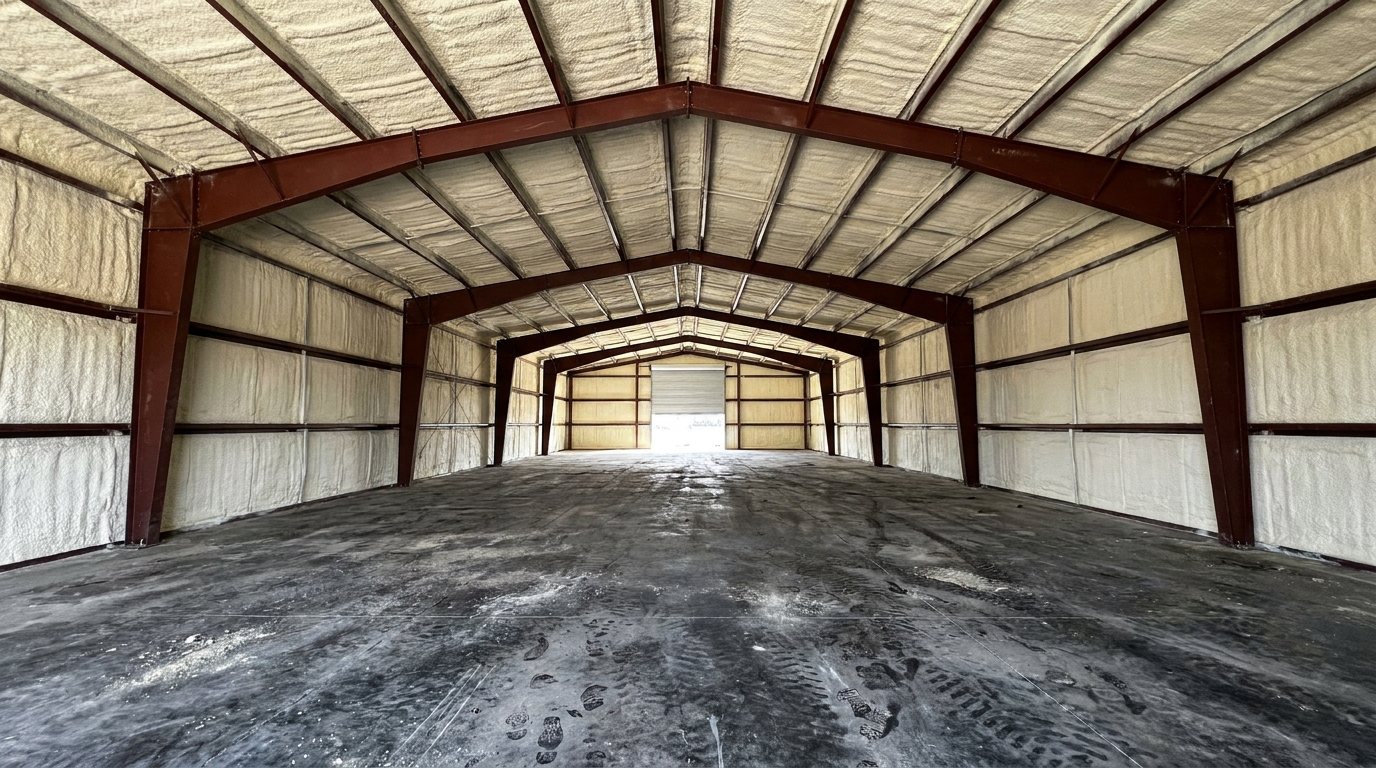
Standard Gypsum (Monokote MK-6 / CAFCO 300) vs. Portland Cement (Monokote Z-106 / Carboline Type 5GP & 7GP)
Selecting the wrong SFRM binder chemistry is the #1 cause of delamination and failed municipal building inspections in Ontario:
- Standard-Density Gypsum SFRM (15–19 PCF — Grace Monokote® MK-6 / MK-6 HY, CAFCO® 300, Carboline Southwest Type 5GP): Formulated with calcined gypsum and vermiculite/expanded aggregate, standard-density SFRM is the industry workhorse for dry, conditioned, concealed interior steel above drop ceilings, inside drywall shafts, and on fluted concrete-topped steel floor decks.
- Medium-Density Portland Cement SFRM (22–30 PCF — Grace Monokote® Z-106, CAFCO® 400, Carboline Southwest Type 7GP): Engineered with hydraulic Portland cement rather than water-soluble gypsum. Mandatory for underground parking garages, unheated loading docks, mechanical penthouses, and elevator hoistways where high humidity, freeze-thaw cycles, road-salt mist, or high-velocity airflow would erode standard gypsum fireproofing.
- High-Density Portland Cement SFRM (40–50+ PCF — Grace Monokote® Z-146, Carboline Pyrocrete® 241): Delivers over 1,000 PSF cohesive/adhesive bond strength to withstand forklift washdowns, physical abrasion, and severe industrial environments up to a 4-hour CAN/ULC-S101 rating.
- Metal Lath, Mesh & Primer Adhesion Rules (ULC Design Compliance): On deep-flange girders, galvanized steel decks, painted structural steel, or thick multi-pass applications, ULC listings dictate whether an approved acrylic bonding adhesive (Monokote® Accelerator / Bond-Seal) or mechanical galvanized metal lath is required prior to wet-spray application.
Ontario Building Code Part 3 Fire-Resistance Ratings for Structural Steel (2026 Requirements)
Under 2026 Ontario Building Code Part 3 (Sections 3.1.7 and 3.2.2), buildings exceeding 600 m² in building area or 3 storeys in height—as well as Group A (Assembly), Group B (Institutional), Group C (Multi-Residential High-Rise), and Group F Division 1 (High-Hazard Industrial) occupancies—must protect load-bearing steel frames, floor assemblies, and roof assemblies according to tested CAN/ULC-S101 and CCMC/ULC design listings:
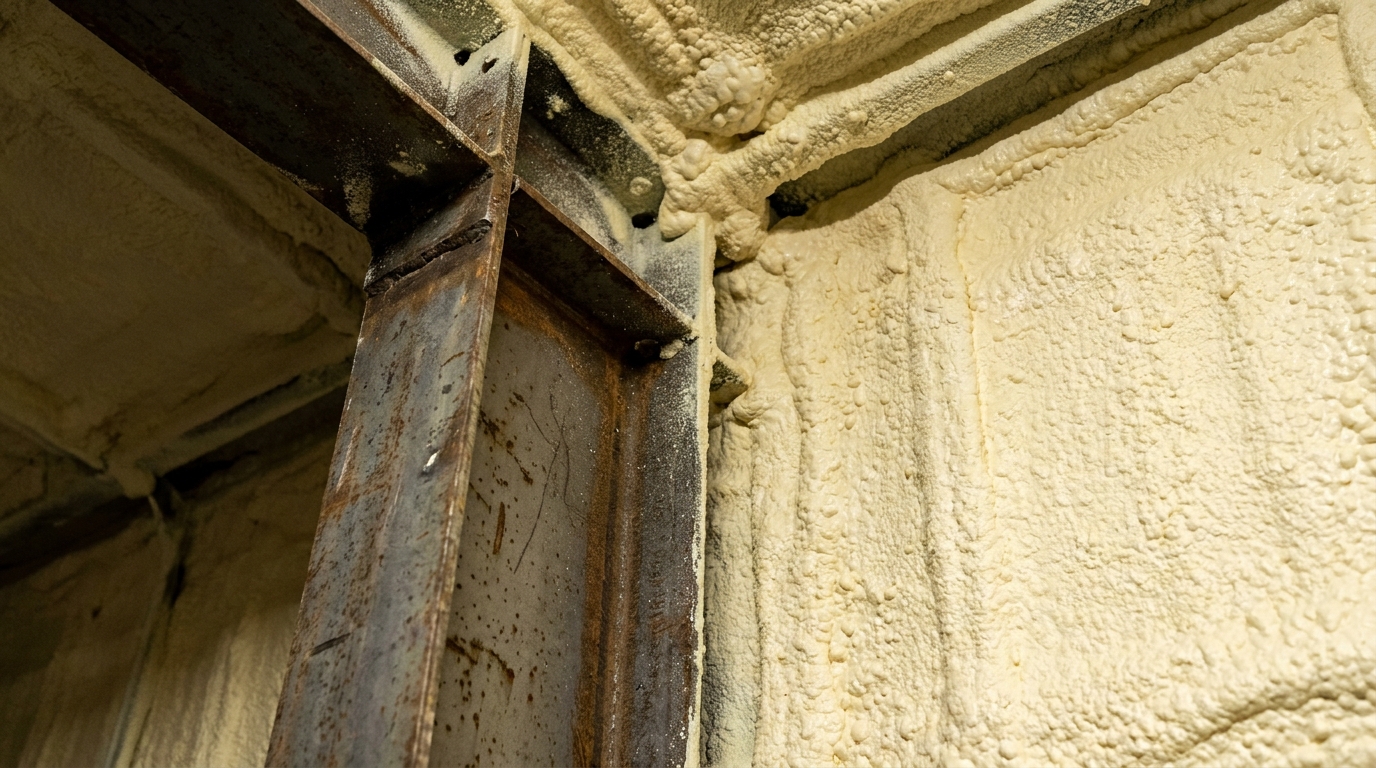
Contour-sprayed around 4-sided steel columns.
Engineered to ULC Z700 / X700 column listings.
Keeps column core <538°C under load.
Structural steel columns carry the vertical gravity load of the entire building. Depending on whether the column sits in a conditioned office core (15 PCF Monokote MK-6 / CAFCO 300) or an underground parking garage (22+ PCF Monokote Z-106 / Carboline Type 7GP), our certified installers apply multi-pass contour coats verified by ASTM E605 thickness pins.
Cementitious Fireproofing (SFRM) vs. Intumescent Fire Coating vs. DC315 Thermal Barrier
General contractors and building owners frequently ask how cementitious SFRM compares against architectural intumescent fire coating (also detailed in our Intumescent Fireproofing Cost Guide) and DC315 thermal barrier coating (see DC315 vs. Drywall Thermal Barrier and Ignition vs. Thermal Barrier Guide). Use this engineering matrix to specify the right coating for each substrate:
| Fire Protection System | Primary Substrate Protected | Testing Standard & Code | Dry Film / Coat Thickness | 2026 Installed Cost (/sq ft) |
|---|---|---|---|---|
Standard Cementitious SFRM(Monokote MK-6 / CAFCO 300 / Type 5GP) | Concealed Structural Steel(Beams, Columns, Joists & Decks) | CAN/ULC-S101(1 Hr to 4 Hr Part 3 Steel) | 3/8" – 2.0"(375–2,000 mils textured grey) | $2.25 – $4.25 / sq ft |
Medium/High-Density Portland SFRM(Monokote Z-106 / CAFCO 400 / Type 7GP) | Parking Garages, Mechanical & Industrial Steel | CAN/ULC-S101(1.5 Hr to 4 Hr High-Bond) | 1/2" – 2.25"(500–2,250 mils hard cement) | $3.85 – $7.50+ / sq ft |
Thin-Film Intumescent Steel Coating(Nullifire / Carboline / Albi Clad) | Architecturally Exposed Steel (AESS)(Atriums, Lobbies, Gyms) | CAN/ULC-S101(1 Hr to 2 Hr Smooth Paint) | 0.5 – 3.5 mm(20–140 mils architectural finish) | $6.50 – $14.50+ / sq ft |
DC315 Intumescent Thermal Barrier(IFT DC315 Single-Coat Latex) | Exposed Polyurethane Spray Foam Insulation(SPF) | CAN/ULC-S124 / S101M(OBC 9.10.17.10 & 3.1.5.12) | 18 mils WFT / 12 mils DFT(Over 2 lb SPF) | $1.85 – $3.25 / sq ft |
Combo Spray Foam + Fire Coating(Warehouse / Underground Garage) | 2 lb Closed-Cell SPF + Thermal Barrier or Steel SFRM | CAN/ULC-S705.1 + S101 / S124(Turnkey Package) | 2" – 3.5" SPF + Code Fire Barrier |
6 Critical On-Site Rules for Passing Ontario Third-Party SFRM Inspections (ASTM E605 & E736)
On Part 3 commercial projects across Toronto and the GTA, municipal building officials and third-party engineering consultants (such as Pinchin,WSP, EXP, or Terraprobe) inspect cementitious fireproofing before ceiling grids or drywall shafts close. Our Certified Commercial Fireproofing & Spray-Applied Fire-Resistive Material (SFRM) Installers enforce six jobsite protocols:
- 1. Install Mechanical Hangers, Deck Clips & Structural Welds BEFORE SFRM Application: Every sprinkler trapeze hanger, HVAC rod, electrical conduit clamp, and drywall partition top-track should be attached to the steel before spraying. Cutting or knocking off cured SFRM to weld hangers later requires costly ULC-compliant patch and re-inspection mobilization.
- 2. Mill Scale, Cutting Oil & Shop-Primer Compatibility Check: Structural steel must be free of loose mill scale, form-release oil, grease, and mud. Where structural steel arrives coated in alkyd, epoxy, or zinc-rich shop primers, we verify primer compatibility against ULC design tables and apply approved acrylic bonding agent (Monokote® Accelerator / CAFCO Bond-Seal) where required.
- 3. Substrate Temperature (≥ 4°C / 40°F) & 24-Hour Post-Spray Ventilation: Wet-mixed gypsum and Portland cement SFRM cannot be applied to frozen steel or when ambient/substrate temperatures drop below 4°C (40°F) for 24 hours prior to and following application. In winter, we coordinate temporary enclosure heat and exhaust airflow (minimum 4 air changes per hour) so moisture cures out cleanly.
- 4. Unrestrained vs. Restrained Beam Rating Verification: A wide-flange steel beam rarely takes the same SFRM thickness across an entire blueprint. We cross-check the structural engineer’s schedule to verify whether each beam is thermally Restrained or Unrestrained under the specified ULC floor-ceiling design.
- 5. Flexible Roof Deck & Cladding Sequencing: Never apply cementitious fireproofing to the underside of a metal roof deck until roofing membrane, ballast, and mechanical rooftop curbs are 100% complete—foot traffic and crane loads on an unfinished roof deflect the steel deck and crack curing SFRM.
- 6. Full ASTM E605 Thickness Pin-Grid & ASTM E736 Bond-Strength Documentation: Before demobilizing, our crew performs calibrated pin-depth checks across web, inner flange, and outer flange tips, leaving your site superintendent with full product batch logs, ULC design sheets, and third-party inspection sign-off documentation.
Our Turnkey Commercial Cementitious Fireproofing Process Across Ontario
Whether your project is a commercial warehouse insulation and fireproofing build, a commercial building envelope upgrade, or a metal building thermal and fire assembly, our commercial fleet delivers turnkey execution:

We analyze structural steel schedules, W/D section factors, and ULC design listings to map exact thickness per member.
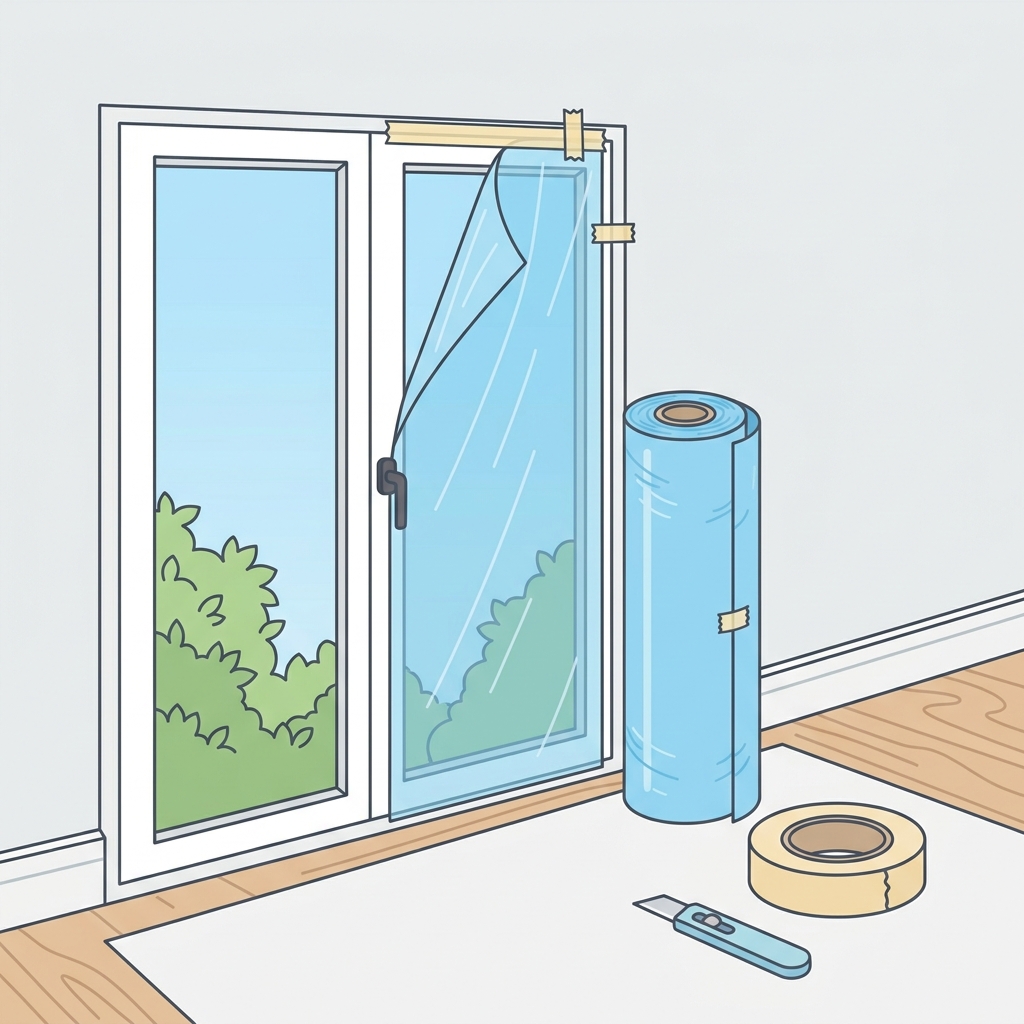
Full poly containment of MEP equipment, Curtain-wall masking, substrate cleaning, and ULC bonding primer application.
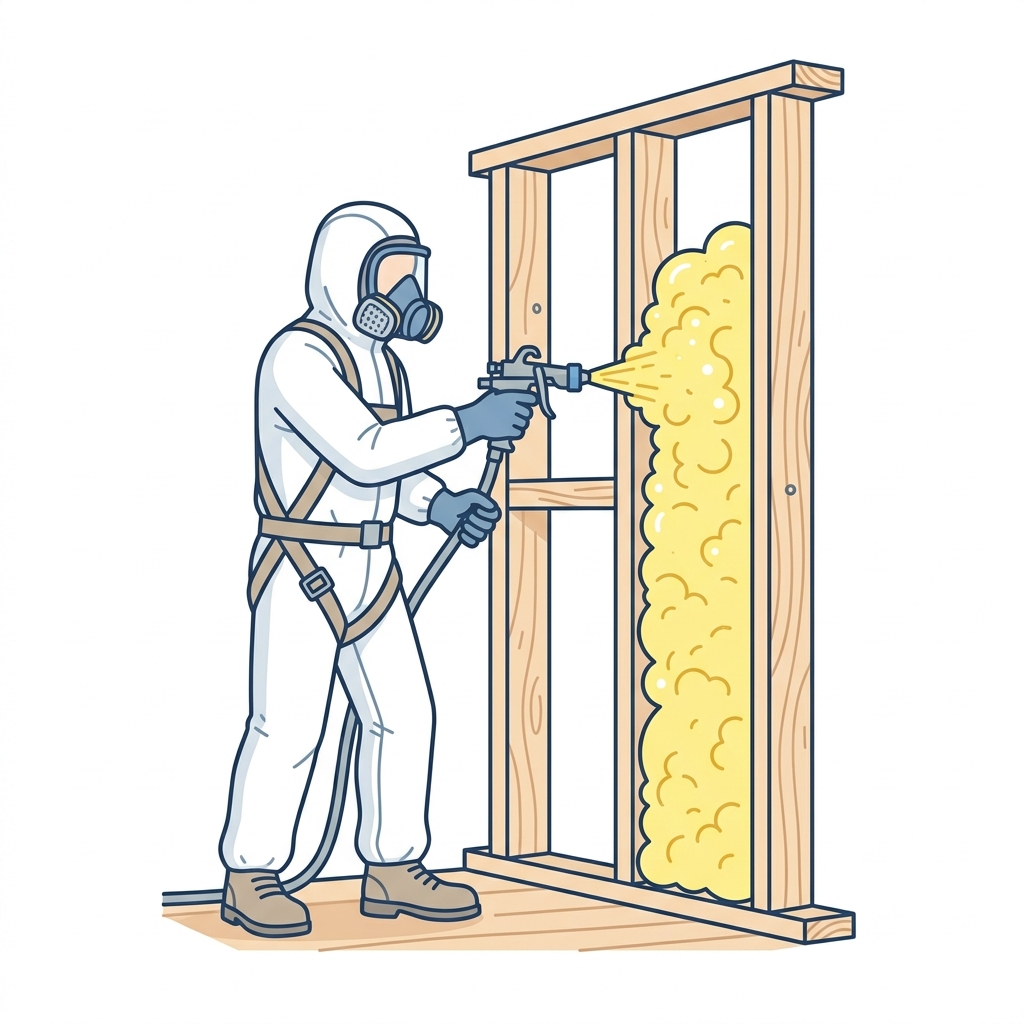
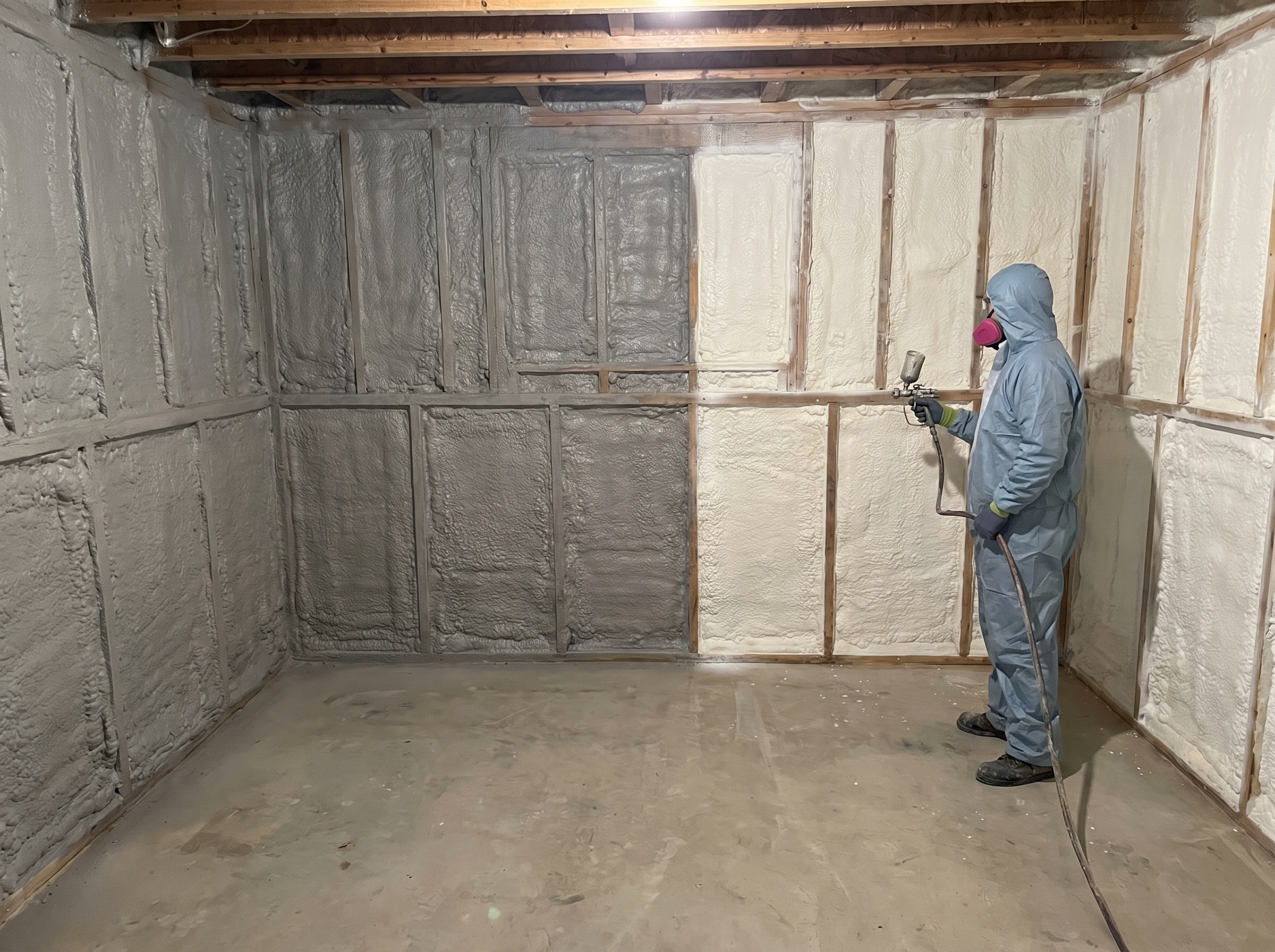
High-output rotor-stator pumping of Monokote MK-6/Z-106 or CAFCO 300/400 to full flange, web, and deck thickness.
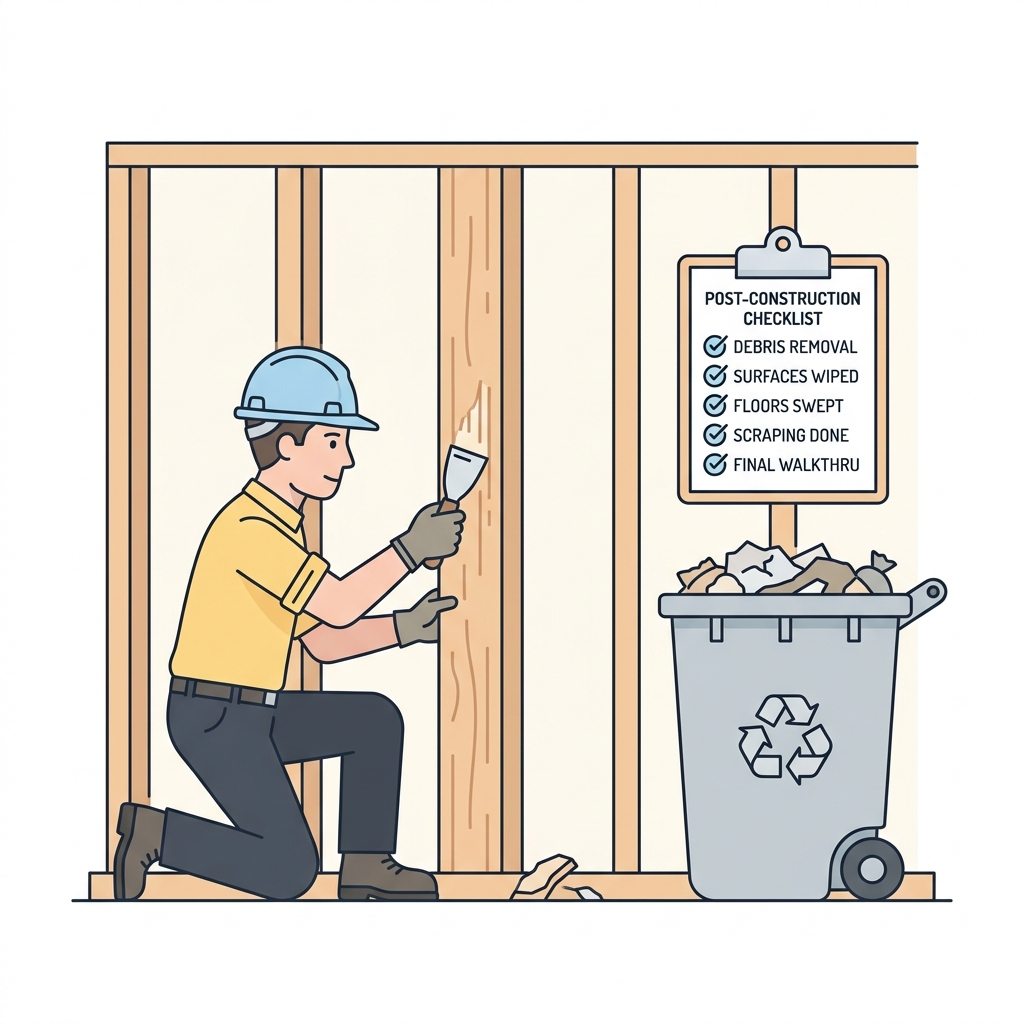
Calibrated pin-depth verification, overspray cleanup, and complete ULC compliance documentation for third-party sign-off.
Frequently Asked Questions
Cementitious fireproofing—officially classified as Spray-Applied Fire-Resistive Material (SFRM)—is a wet-mixed gypsum or Portland cement coating sprayed directly onto structural steel columns, beams, open-web joists, and metal floor decks. Because structural steel loses half its strength at 538°C (1,000°F), Grace Monokote® MK-6 / MK-6 HY, Z-106, CAFCO® 300 / Isolatek, Carboline Southwest Type 5GP / 7GP (Standard, Medium & High-Density Portland Cement / Gypsum SFRM) tested to CAN/ULC-S101 (1-Hour to 4-Hour Fire-Resistance Ratings) insulate the steel and release steam endothermically during a fire so Part 3 buildings remain structurally stable.
In 2026, standard-density gypsum SFRM (Monokote® MK-6 HY / CAFCO® 300) for 1-hour to 2-hour concealed structural steel costs $2.25 to $4.25 per sq ft, while medium- and high-density Portland cement SFRM (Monokote® Z-106 / Carboline Type 7GP) for parking garages and mechanical rooms ranges from $3.85 to $7.50+ per sq ft. See our full 2026 Ontario Cementitious Fireproofing Cost Guide ($2.25–$6.50/sq ft), or Get a $250 Credit on Your Estimate — Check Your Price in 60 Seconds (/price-chat) or Submit Blueprints (/contact).
Standard 15–19 PCF gypsum SFRM (Monokote® MK-6 / CAFCO® 300) is designed strictly for dry, conditioned, concealed interior spaces such as office plenums above drop ceilings. Whenever structural steel is located in an underground parking garage, loading dock, unconditioned atrium, mechanical room, elevator shaft, or area exposed to freeze-thaw moisture or physical abrasion, you must specify 22–40+ PCF Portland cement SFRM (Grace Monokote® Z-106 / Z-146, CAFCO® 400, or Carboline Type 7GP).
SFRM thickness is never one-size-fits-all; it is calculated from the specific ULC Design Listing (tested to CAN/ULC-S101) using the steel member’s W/D ratio (weight per foot divided by heated perimeter) or A/P ratio for hollow structural steel (HSS) tubes. Lighter steel members with thin webs or flanges have a low W/D ratio and require thicker SFRM (1-1/4" to 2"+), whereas massive wide-flange columns require thinner coats (9/16" to 1") for the same hourly rating.
Cementitious fireproofing (SFRM) is a thick (3/8" to 2"+), textured grey coating for concealed structural steel or parking garages. Intumescent fire coating is a smooth, paint-like thin film (0.5–3.5 mm) that swells into a char barrier during a fire, used on Architecturally Exposed Structural Steel (AESS). DC315 is a specialized 18-mil intumescent thermal barrier applied strictly over polyurethane spray foam insulation (OBC 9.10.17.10 / 3.1.5.12), not structural steel.
Yes. On active commercial jobsites, electrical, HVAC, and plumbing trades frequently scrape SFRM off beams while installing hangers or core-drilling slabs. Our Certified Commercial Fireproofing & Spray-Applied Fire-Resistive Material (SFRM) Installers perform ULC-matched patch and restoration work—re-applying compatible Monokote® or CAFCO® material to the required ASTM E605 pin thickness so your third-party engineer signs off for occupancy.
No—all modern SFRM products installed in Canada (Grace Monokote® MK-6 / Z-106, CAFCO® 300 / 400, Carboline Southwest Type 5GP / 7GP) are 100% asbestos-free, zero-VOC, and certified non-combustible under CAN/ULC-S102. Asbestos was eliminated from Canadian spray fireproofing in the 1970s/early 1980s.
Sprayfoam Solutions Toronto Inc. ((647) 333-3626) has served general contractors, developers, and building owners across Toronto, the GTA, and Ontario since 2008. We dispatch Certified Commercial Fireproofing & Spray-Applied Fire-Resistive Material (SFRM) Installers backed by $5,000,000 commercial liability insurance and full WSIB clearance. Get a $250 Credit on Your Estimate — Check Your Price in 60 Seconds (/price-chat) or Submit Blueprints (/contact).
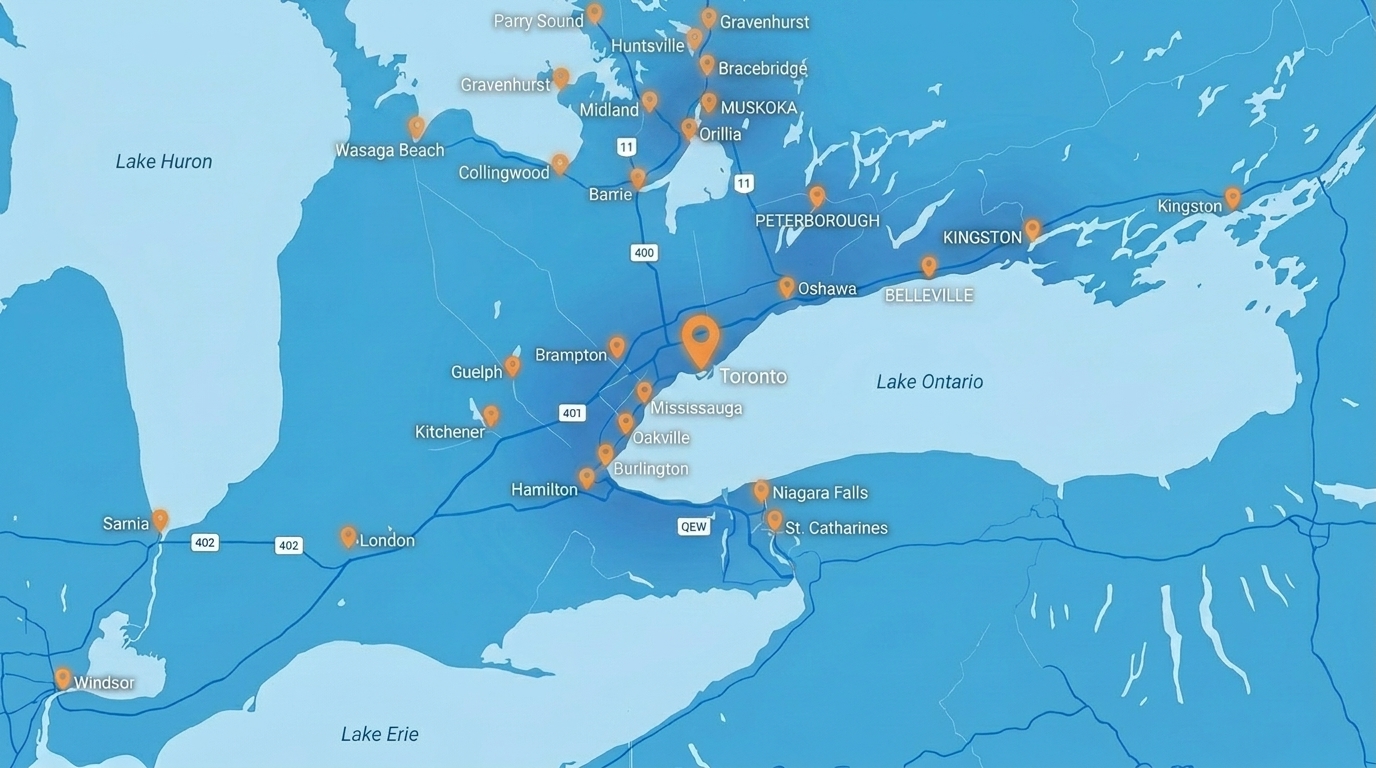
Select your commercial fire protection scope or municipality below for CAN/ULC-S101 specs and rapid mobilization: