Thermal Barrier vs. Ignition Barrier for Spray Foam in Ontario: Why the 2026 Ontario Building Code Requires CAN/ULC-S124 Protection
Thermal Barrier vs. Ignition Barrier for Spray Foam in Ontario: 2026 Ontario Overview & Code Essentials
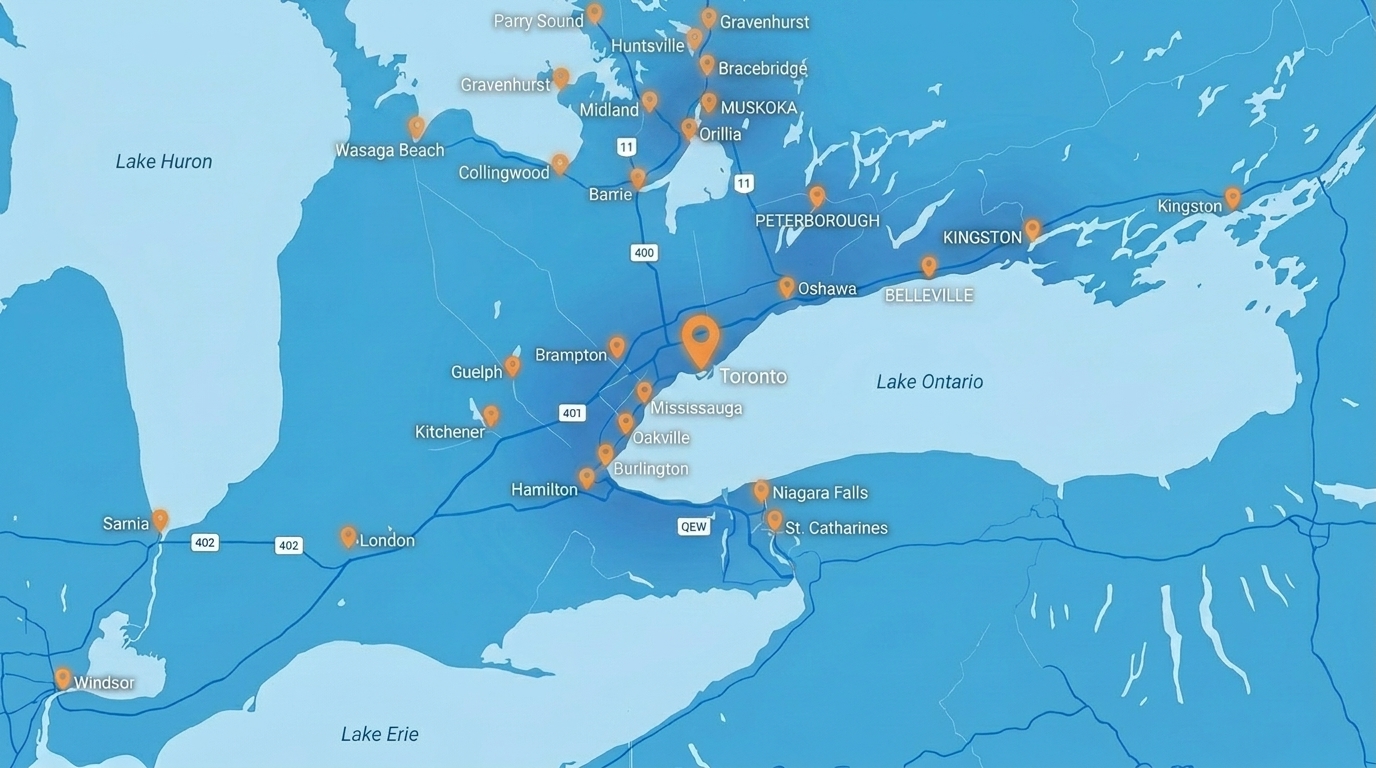
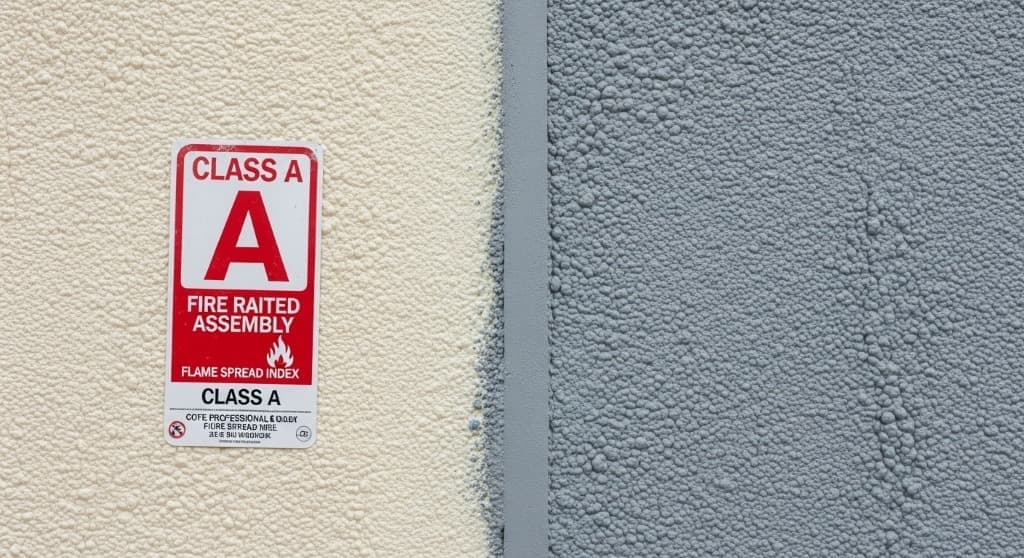
Every week across Toronto, Mississauga, Vaughan, Hamilton, and Ontario, homeowners and general contractors fail municipal building inspections because they read American spray foam forums or US manufacturer spec sheets that claim unvented attics, crawl spaces, and rim joists only require a thin "ignition barrier" (or can be left bare). Here is the critical Ontario Building Code (OBC) reality: "Ignition Barrier" is a US International Building Code (IBC Section 2603.4.1.6) term that DOES NOT EXIST as a blanket exemption in the 2026 Ontario Building Code.
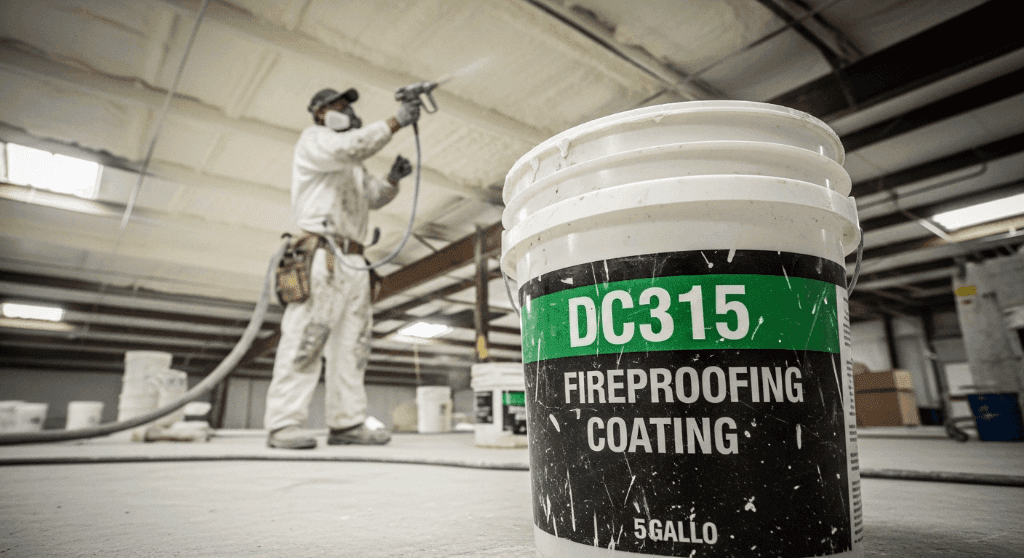
Under Ontario Building Code Section 9.10.17.10 (Part 9 Housing & Small Buildings) and Section 3.1.4.2 (Part 3 Commercial/Industrial Buildings), all spray polyurethane foam insulation must be protected from the interior of the building by a certified 15-minute thermal barrier (CAN/ULC-S124)—achieved either by installing 1/2-inch (12.7 mm) gypsum drywall or by spraying 18 wet mils (12 dry mils) of IFTI DC315® thermal barrier fire coating (CCMC 14036-R and Ontario Minister’s Ruling 17-04-341). At Sprayfoam Solutions Toronto Inc., our Certified Intumescent & Thermal Barrier Fireproofing Installers and Caliber Certified (CAN/ULC-S705.2 Licensed) Installers apply turnkey spray foam and fire coating packages so your project passes Ontario inspection on the first visit.
Compare the 3 code-compliant ways to protect spray foam in Ontario (and avoid costly US "ignition barrier" inspection failures):
- 4–6 mil NFPA 275 Option 2 US ignition barrier is NOT accepted under OBC 9.10.17.10 or 3.1.4.2
- Triggers Order to Comply
- Passes OBC 9.10.17.10 & 3.1.4.2 (CCMC 14036-R)
- Crawl Spaces, Attics, Rim Joists & Warehouses
- $250 Estimate Credit
- Standard 12.7 mm drywall for finished basements & bedrooms
- Cannot easily wrap rim joists, ducts, or trusses
Thermal Barrier vs. Ignition Barrier: Why US Building Code Rules Fail in Ontario (2026 Comparison)
When you look at an American data sheet for IFTI DC315® or spray foam, you will see two different application thickness tables: a thin 4 to 6 wet mil "Ignition Barrier" table (for US IBC attics and crawl spaces) and an 18 to 20 wet mil "15-Minute Thermal Barrier" table. Understanding why Ontario building inspectors strictly enforce the 18-mil CAN/ULC-S124 thermal barrier standard will save you thousands of dollars in failed inspection rework:
| Code & Performance Metric | 15-Minute Thermal Barrier (REQUIRED IN ONTARIO) | Ignition Barrier (US IBC RULE — FAILS IN ONTARIO) | Bare Uncoated Spray Foam (ILLEGAL IN ONTARIO) | Governing 2026 Ontario Code Verdict |
|---|---|---|---|---|
Governing Building Code | 2026 Ontario Building Code 3.1.4.2 & 9.10.17.10 | US International Building Code(IBC 2603.4.1.6) | Prohibited inside any Ontario building | Only Thermal Barriers Pass OBC |
Canadian Fire Test Standard | CAN/ULC-S124 / NFPA 286(CCMC 14036-R) | US NFPA 275 Option 2 / AC377 Appendix X | CAN/ULC-S102 Flame-Spread Only(≤ 500) | Inspector Checks for CCMC 14036-R |
Fire Protection Duration | Full 15-Minute Thermal Delay(< 250°F rise) | ~3 to 5 Minutes(Small temporary flame only) | 0 Minutes(Foam chars & ignites rapidly) | 15-Minute Rating Mandatory |
IFTI DC315® Required Thickness | 18–20 mils WFT(12–14 mils Dry Film) | 4–6 mils WFT(3–4 mils Dry Film — US Only) | 0 mils | Must Verify 18 WFT with Gauge |
Unvented Attics & Crawl Spaces | 100% Approved Across All Ontario Municipalities | Rejected by Ontario Building Inspectors | Immediate Stop-Work / Order to Comply | Requires 18 Mils DC315 or Drywall |
What Is a 15-Minute Thermal Barrier (`CAN/ULC-S124` / `OBC 9.10.17.10` & `3.1.4.2`)?
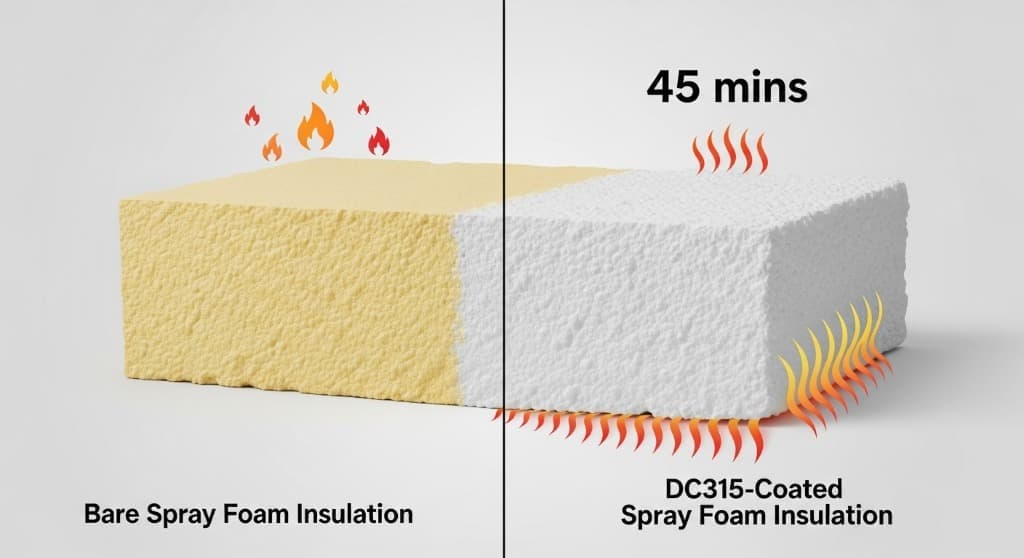
Under Ontario Building Code Sentence 3.1.4.2.(1) and Subsection 9.10.17.10, foamed plastic insulation—including both 2 lb closed-cell spray foam (CAN/ULC-S705.1) and 0.5 lb open-cell spray foam—must be separated from the interior of the building by a thermal barrier. In Canadian fire engineering, a thermal barrier is an assembly tested to CAN/ULC-S124 (Standard Method of Test for the Evaluation of Protective Coverings for Foamed Plastic) that prevents the interface temperature on the face of the spray foam from rising more than 139°C (250°F) above ambient (or exceeding 200°C total) for at least 15 minutes during a standard CAN/ULC-S101 fire exposure. That 15-minute window prevents flashover and gives occupants critical time to evacuate.
What Is an Ignition Barrier (And Why the US Attic & Crawl Space Rule Does NOT Apply in Ontario)?
In the United States, the International Building Code (IBC) and International Residential Code (IRC) allow a lesser level of protection called an ignition barrier in attics and crawl spaces that are entered "only for the service of utilities." Because American chemical manufacturers publish bilingual North American data sheets showing 4 wet mils of DC315 as an ignition barrier, uncertified contractors frequently spray 4 mils of thin white coating in Ontario crawl spaces or cathedral attics—or leave the spray foam completely exposed—assuming the US exception applies in Canada. It does not. Neither the National Building Code of Canada (NBC) nor the 2026 Ontario Building Code (OBC) contains the US IBC limited-access ignition barrier exception.
Where Does the 2026 Ontario Building Code Require a 15-Minute Thermal Barrier Over Spray Foam?
Whether your project falls under OBC Part 9 (houses, legal basement apartments, townhomes, and small commercial buildings up to 600 m² and 3 storeys) or OBC Part 3 (warehouses, multi-residential buildings, schools, retail plazas, and agricultural/industrial facilities), every zone where spray foam faces an interior space, plenum, or service cavity must be protected. Here is our zone-by-zone 2026 Ontario Building Inspector Enforcement Matrix:
| Building Zone / Spray Foam Location | Governing OBC Section | Allowed Thermal Barrier Options in Ontario | Required DC315 Thickness | 2026 Installed DC315 Cost (/sq ft) |
|---|---|---|---|---|
Crawl Spaces & Dirt/Concrete Service Plenums | OBC 9.10.17.10 & 3.1.4.2 | IFTI DC315® ( CAN/ULC-S124) or 1/2" Drywall / OSB | 18–20 mils WFT (12–14 DFT) | $1.95 – $3.25 / sq ft |
Unvented Cathedral Attics & Roof Decks | OBC 9.10.17.10 | IFTI DC315® ( CAN/ULC-S124) or 1/2" Gypsum Board | 18–20 mils WFT (12–14 DFT) | $1.85 – $3.10 / sq ft |
Exposed Basement Ceilings & Rim Joist Headers | OBC 9.10.17.10.(1) | IFTI DC315® (if left open) or 1/2" Drywall Ceiling | 18–20 mils WFT (12–14 DFT) | $1.95 – $3.25 / sq ft |
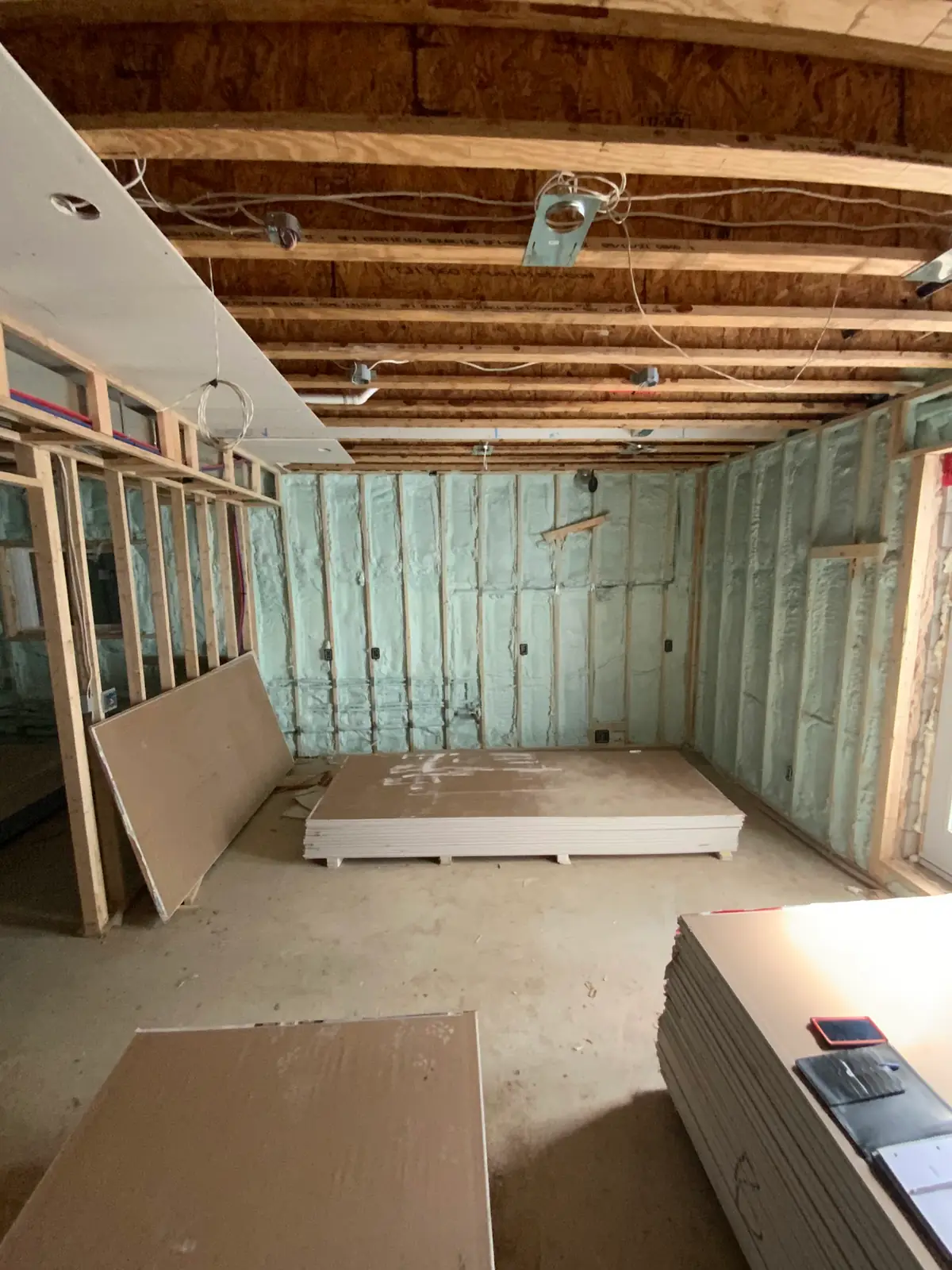
Finished Basements, Bedrooms & Living Walls | OBC 9.10.17.10.(1)(a) | 1/2" (12.7 mm) Gypsum Drywall over wood/steel studs | Covered by Drywall | Included in Drywall Trade |
Attached Residential Garages(Shared Walls/Ceilings) | OBC 9.10.9.16 & 9.10.17.10 | 1/2" or 5/8" Type X Drywall (Gas-Tight + Thermal) or DC315 | 18–20 mils WFT (or Drywall) | $1.85 – $3.15 / sq ft |
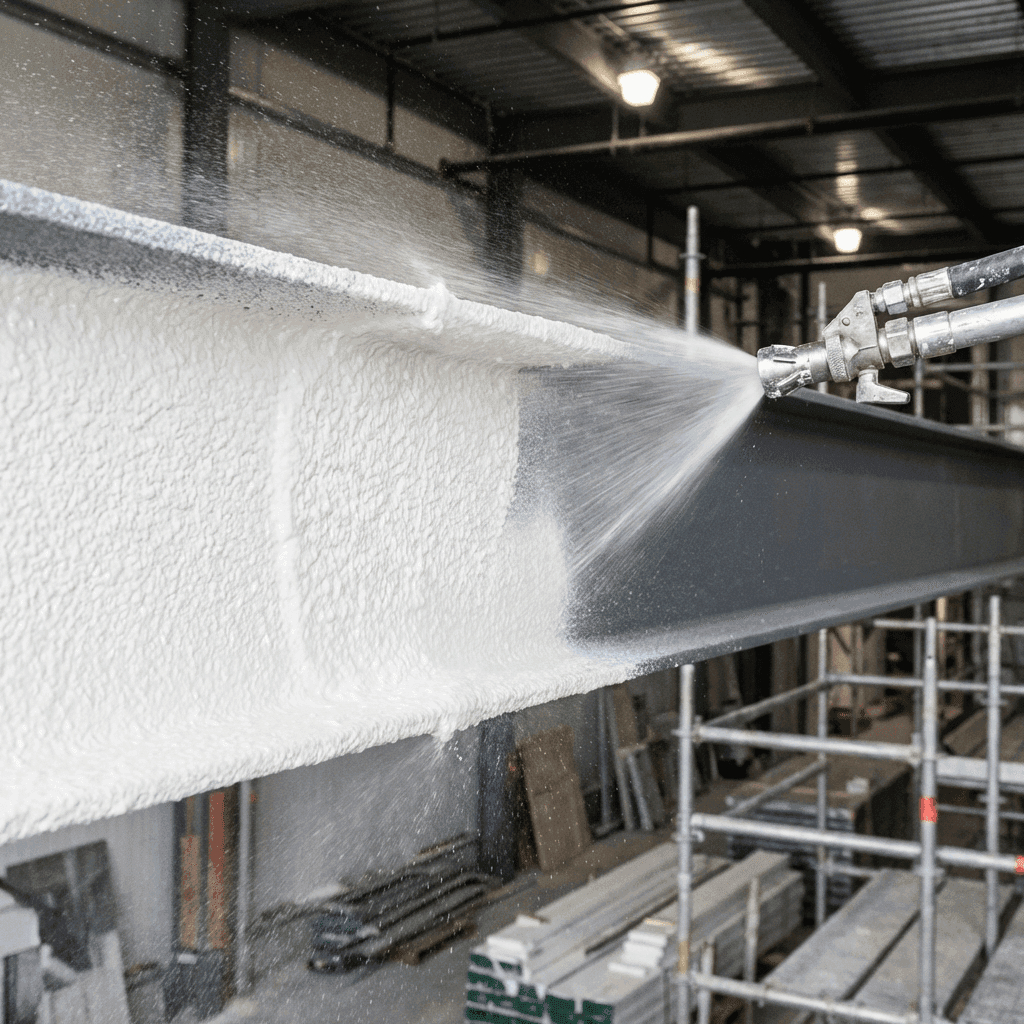
Commercial Warehouses, Metal Buildings & Ceiling Decks | OBC 3.1.4.2.(1)(c) | IFTI DC315® ( CCMC 14036-R) or Cementitious SFRM | 18–20 mils WFT (12–14 DFT) | $1.75 – $2.85 / sq ft |
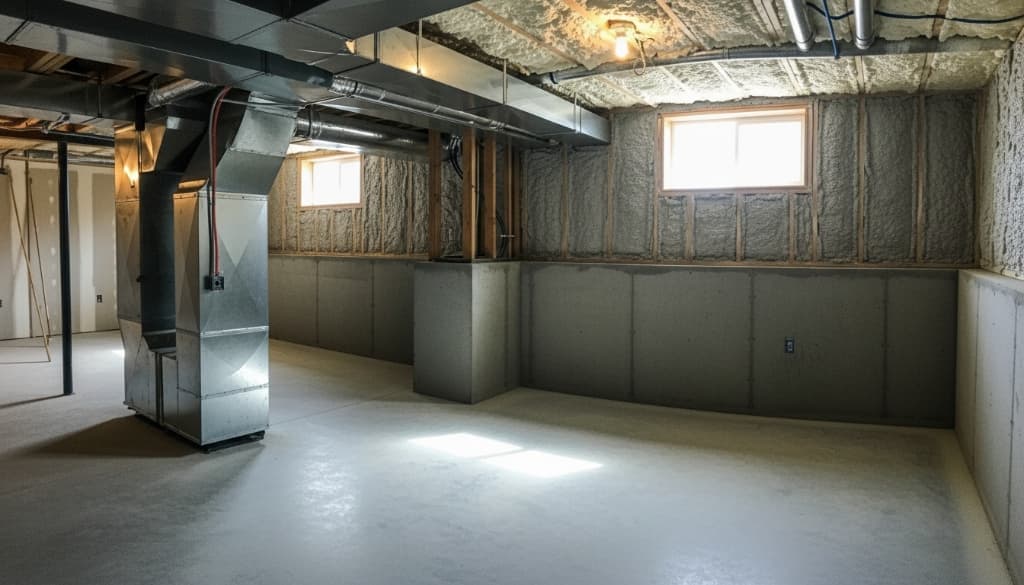
How IFTI DC315® Satisfies Ontario Building Code Sections 3.1.4.2 & 9.10.17.10 Without Drywall
In crawl spaces, mechanical rooms, unvented attic mechanical plenums, rim joist boxes above drop ceilings, and commercial warehouse insulation projects, framing and boarding 1/2-inch gypsum drywall over contoured spray foam is either physically impossible or prohibitively expensive ($2.75–$5.25/sq ft). That is why Ontario architects, engineers, and municipal building officials rely on IFTI DC315® intumescent thermal barrier coating ($1.75–$3.25/sq ft), validated by three foundational Canadian approvals:
Monolithic moisture seal + 15-min fire barrier.
No framing or drywall needed in crawl spaces.
Approved under Minister’s Ruling 17-04-341.
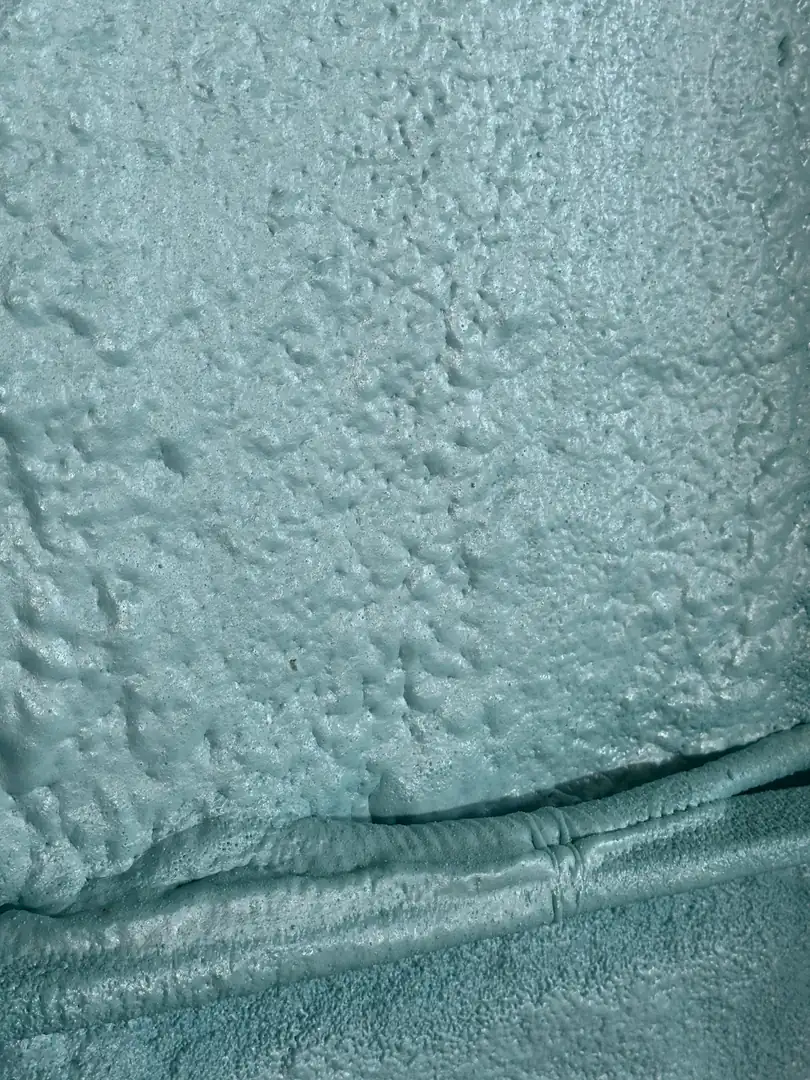
Unfinished crawl spaces, mechanical rooms, and exposed foundation walls cannot be left with bare spray foam in Ontario, and hanging drywall in damp, low-headroom crawl spaces invites mould. Spraying 18 wet mils of IFTI DC315® directly over 2 lb closed-cell foam delivers a permanent, washable 15-minute CAN/ULC-S124 thermal barrier in a single mobilization.
5 Common Spray Foam Thermal Barrier Mistakes That Trigger Ontario Building Inspector Stop-Work Orders
Our Certified Intumescent & Thermal Barrier Fireproofing Installers are frequently called in to rescue Toronto and GTA projects where a previous contractor failed municipal fire inspection. Avoid these five costly code violations (detailed further in our DC315 vs. Drywall Thermal Barrier Guide):
- 1. Spraying Only 4 to 6 Wet Mils of DC315 ("US Ignition Barrier Spec"): When an Ontario building inspector sees raw yellow/cream foam texture telegraphing through a translucent coat of white paint, they immediately pull out a thickness gauge. In Ontario, 4 wet mils is non-compliant—you must apply the full 18 to 20 wet mils (12–14 dry mils) listed under CCMC Evaluation 14036-R.
- 2. Leaving Rim Joist Headers Bare Above a Suspended Acoustic Drop Ceiling: Drop ceiling tiles are not a 15-minute thermal barrier under OBC 9.10.17.10. If you install a T-bar drop ceiling in a basement or commercial unit instead of 1/2" gypsum drywall, every exposed rim joist bay and foundation wall above the ceiling grid must be coated with 18 wet mils of IFTI DC315®.
- 3. Assuming Unvented Attics or Crawl Spaces Are Exempt Because "Nobody Goes In There": Unlike the US IRC/IBC, the 2026 Ontario Building Code requires a thermal barrier in crawl spaces and unvented conditioned attics—especially when HVAC ductwork, HRV units, or storage access hatches are present.
- 4. Using Hardware-Store "Fire Retardant Paint" Instead of CCMC 14036-R Intumescent Coating: Retail flame-retardant latex paints sold at big-box hardware stores are only tested for surface flame spread (CAN/ULC-S102 on wood/drywall) and have zero CAN/ULC-S124 rating over spray polyurethane foam. Applying retail paint over spray foam voids your insurance and requires complete mechanical removal or encapsulation.
- 5. Failing to Document Foam Brand Compatibility & Wet Film Thickness (WFT) Logs: Under CAN/ULC-S705.2 and CCMC 14036-R, the thermal barrier coating must be explicitly tested over the exact brand of spray foam installed (BASF Walltite® Eco v.3, Huntsman Building Solutions (Icynene/Demilec), Johns Manville & other approved CCMC spray foam chemicals). Our crew hands you a signed WFT/DFT inspection binder with matching foam drum lot numbers and DC315 pail batch records.
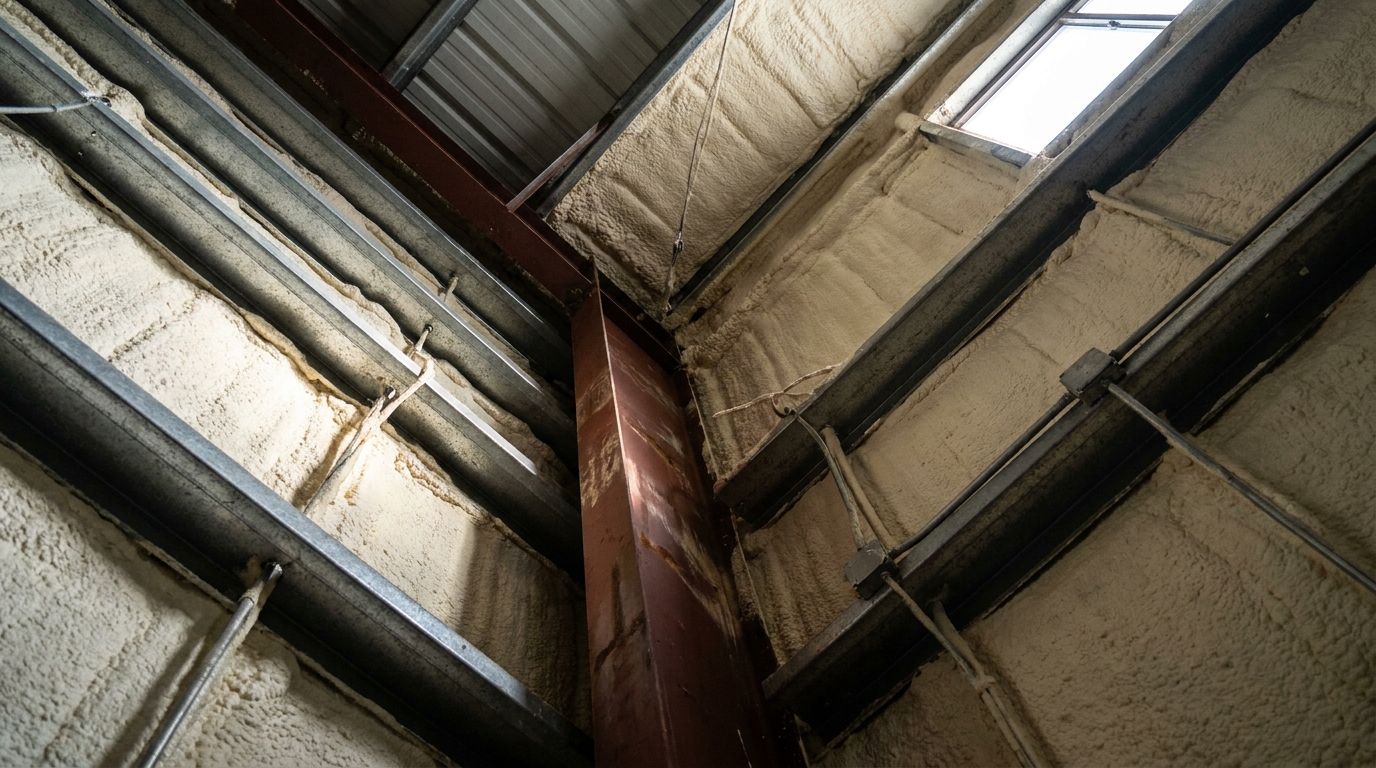
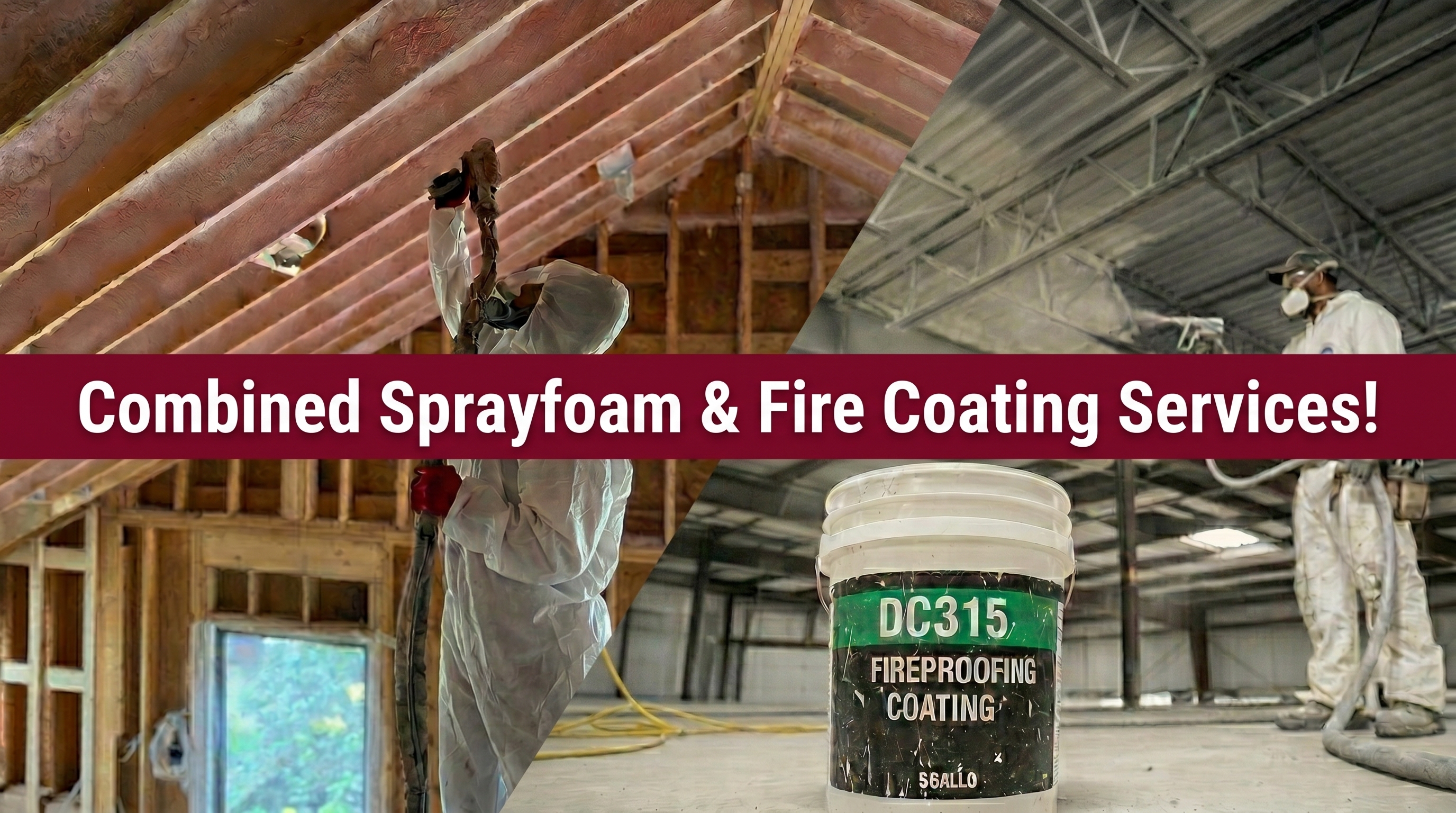
Our 4-Step Thermal Barrier Application & Inspection Sign-Off Process Across the GTA
Whether we are installing a turnkey spray foam and fire coating package or applying intumescent fire coating over existing foam, our crews follow a strict 4-step quality control protocol with $0 Travel Fee across Toronto and the GTA:

We verify your OBC 3.1.4.2 / 9.10.17.10 zone requirements, confirm spray foam chemical compatibility, and check surface temperature and humidity.
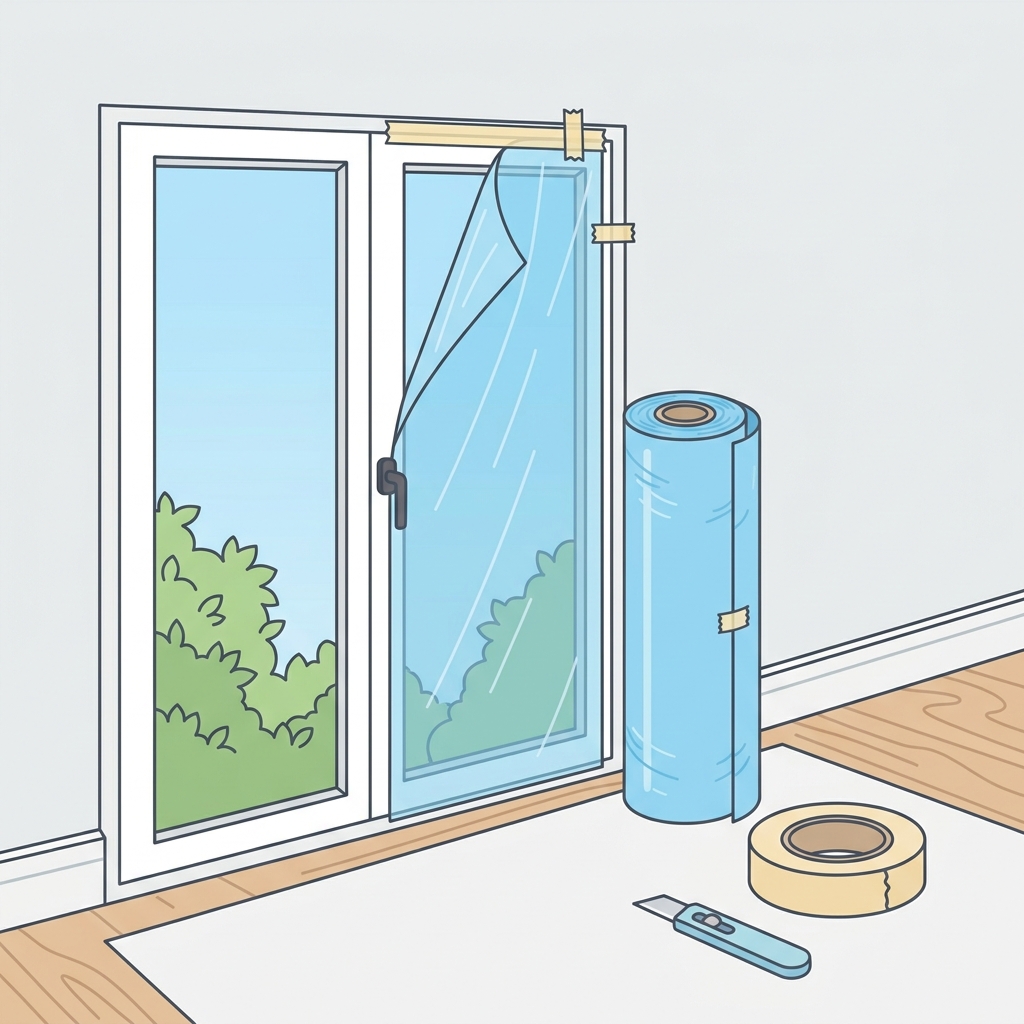
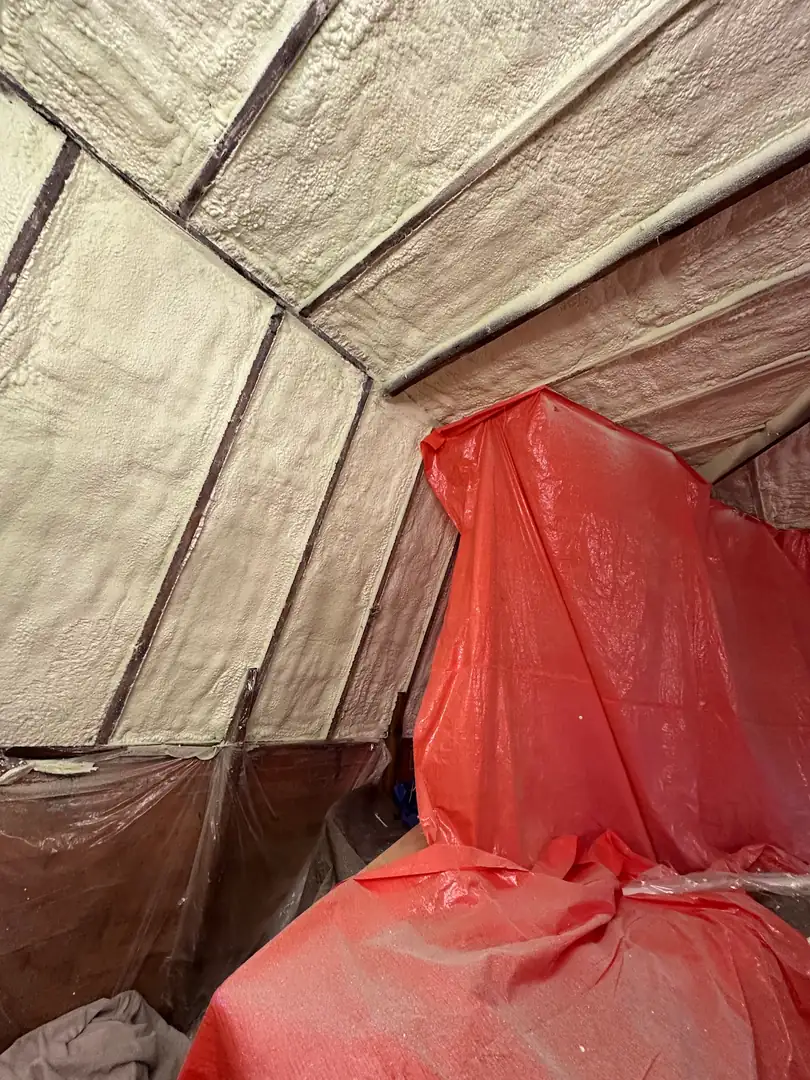
Complete polyethylene masking of floors, windows, electrical panels, HVAC ducts, and plumbing lines so zero overspray touches finished surfaces.
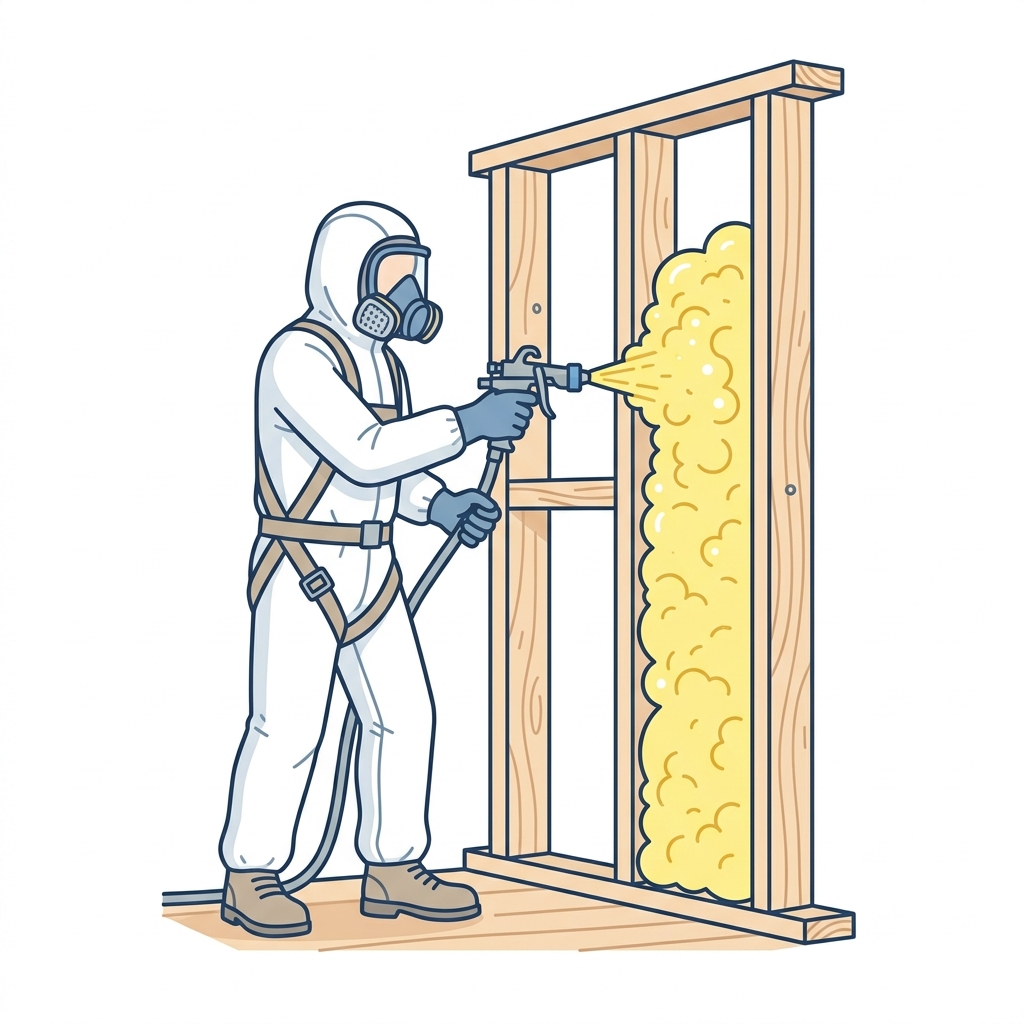
High-pressure airless application of IFTI DC315® at 18–20 wet mils (12–14 dry mils) with continuous stainless steel WFT comb gauge verification.
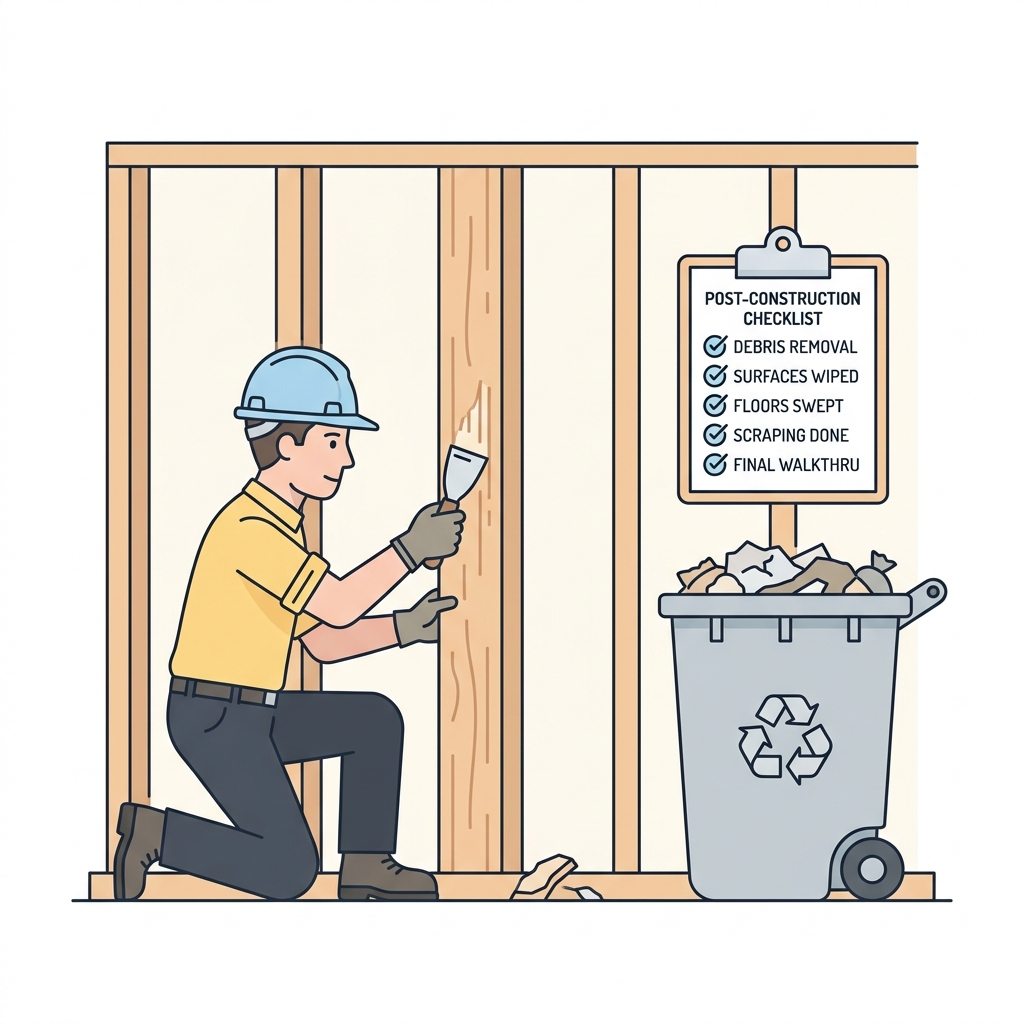
Site demasking and handover of your CCMC 14036-R / Minister’s Ruling 17-04-341 certificate, batch logs, and timestamped WFT gauge photos.
Frequently Asked Questions
No. Unlike the US International Building Code (IBC)—which allows thin 4–6 mil "ignition barriers" in limited-access attics and crawl spaces—the 2026 Ontario Building Code (OBC Sections 3.1.4.2 and 9.10.17.10) does not recognize a blanket ignition barrier exemption. In Ontario, all exposed spray polyurethane foam insulation must be protected by a certified 15-minute thermal barrier (CAN/ULC-S124), such as 1/2-inch gypsum drywall or 18 wet mils (12 dry mils) of IFTI DC315® intumescent fire coating (CCMC 14036-R and Minister’s Ruling 17-04-341).
To qualify as a 15-minute thermal barrier (CAN/ULC-S124 / NFPA 286) under CCMC Evaluation Report 14036-R and Ontario Minister’s Ruling 17-04-341, IFTI DC315® must be applied at 18 to 20 mils Wet Film Thickness (WFT), which cures to 12 to 14 mils Dry Film Thickness (DFT) (a coverage rate of approximately 80 sq ft per US gallon). Spraying only 4 to 6 wet mils (the American ignition barrier spec) will fail municipal building inspection in Ontario.
In 2026, having our Certified Intumescent & Thermal Barrier Fireproofing Installers apply 18 wet mils of IFTI DC315® over spray foam costs $1.75 to $3.25 per sq ft installed (learn more in our DC315 Fire Coating Cost Guide). By comparison, framing, hanging, and taping 1/2-inch gypsum drywall costs $2.75 to $5.25 per sq ft and requires a second trade mobilization. You can Get a $250 Credit on Your Estimate — Check Your Price in 60 Seconds (/price-chat) • No Site Visit Required.
Yes. Under OBC Section 9.10.17.10 and Section 3.1.4.2, spray foam applied to crawl space walls, unvented attic roof decks, and basement rim joist headers above suspended T-bar drop ceilings cannot remain exposed. Because suspended acoustic ceiling tiles are not a rated thermal barrier and drywall cannot easily wrap crawl spaces or rim bays, spraying 18 wet mils of IFTI DC315® is the fastest, most cost-effective way to pass Ontario building inspection.
No. Retail "fire-retardant" latex paints sold at hardware stores are only tested to slow surface flame spread on wood or drywall (CAN/ULC-S102) and have zero CAN/ULC-S124 thermal barrier certification over spray polyurethane foam. Ontario building inspectors require a product holding a valid CCMC Evaluation Report or Minister’s Ruling tested specifically over your spray foam brand (BASF Walltite® Eco v.3, Huntsman Building Solutions (Icynene/Demilec), Johns Manville & other approved CCMC spray foam chemicals), such as IFTI DC315® (CCMC 14036-R).
A 15-minute thermal barrier (CAN/ULC-S124)—such as 18 wet mils of IFTI DC315® or 1/2" drywall—protects spray polyurethane foam insulation from igniting and contributing to room flashover for 15 minutes (OBC 3.1.4.2 & 9.10.17.10). A 45-minute to 3-hour fire-resistance rating (CAN/ULC-S101) protects load-bearing structural steel columns, beams, and floor assemblies from structural collapse using structural intumescent fire coating or cementitious fireproofing (SFRM).
Yes. If a previous contractor left your basement ceiling, crawl space, attic, or commercial warehouse spray foam uncoated—or if you received a municipal Building Order to Comply—our Certified Intumescent & Thermal Barrier Fireproofing Installers can inspect the existing foam substrate, verify chemical compatibility, apply 18 wet mils of IFTI DC315®, and provide the full CCMC 14036-R / Minister’s Ruling 17-04-341 documentation package to close your building permit.
When you book our spray foam and fire coating package with Sprayfoam Solutions Toronto Inc. ((647) 333-3626), our Caliber Certified (CAN/ULC-S705.2 Licensed) Installers and Certified Intumescent & Thermal Barrier Fireproofing Installers can often apply both the spray foam insulation and the 18-mil IFTI DC315® thermal barrier on the same day or consecutive days, with $0 Travel Fee across surrounding GTA cities.
Select your required thermal barrier service or municipality below for local Ontario Building Code specs and same-week dispatch availability: