Ontario Spray Foam Fire Code & DC315 Rules | $250 Credit
Ontario Spray Foam Fire Code & DC315 Rules: 2026 Ontario Overview & Code Essentials
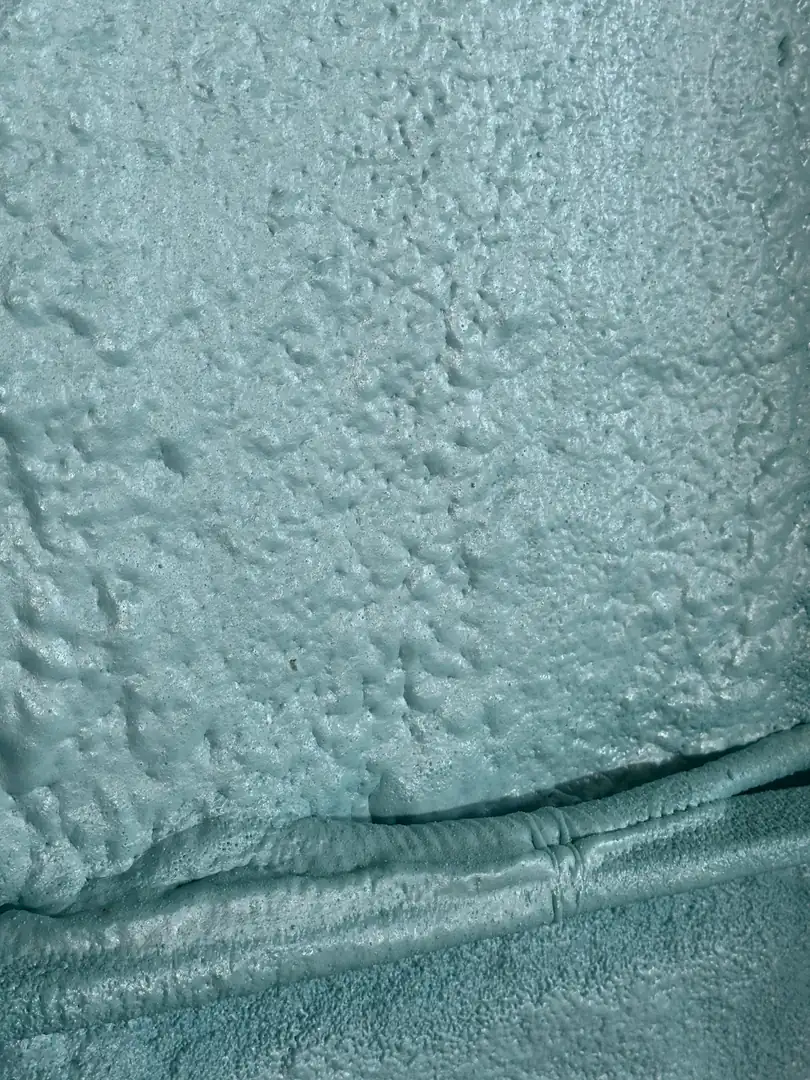
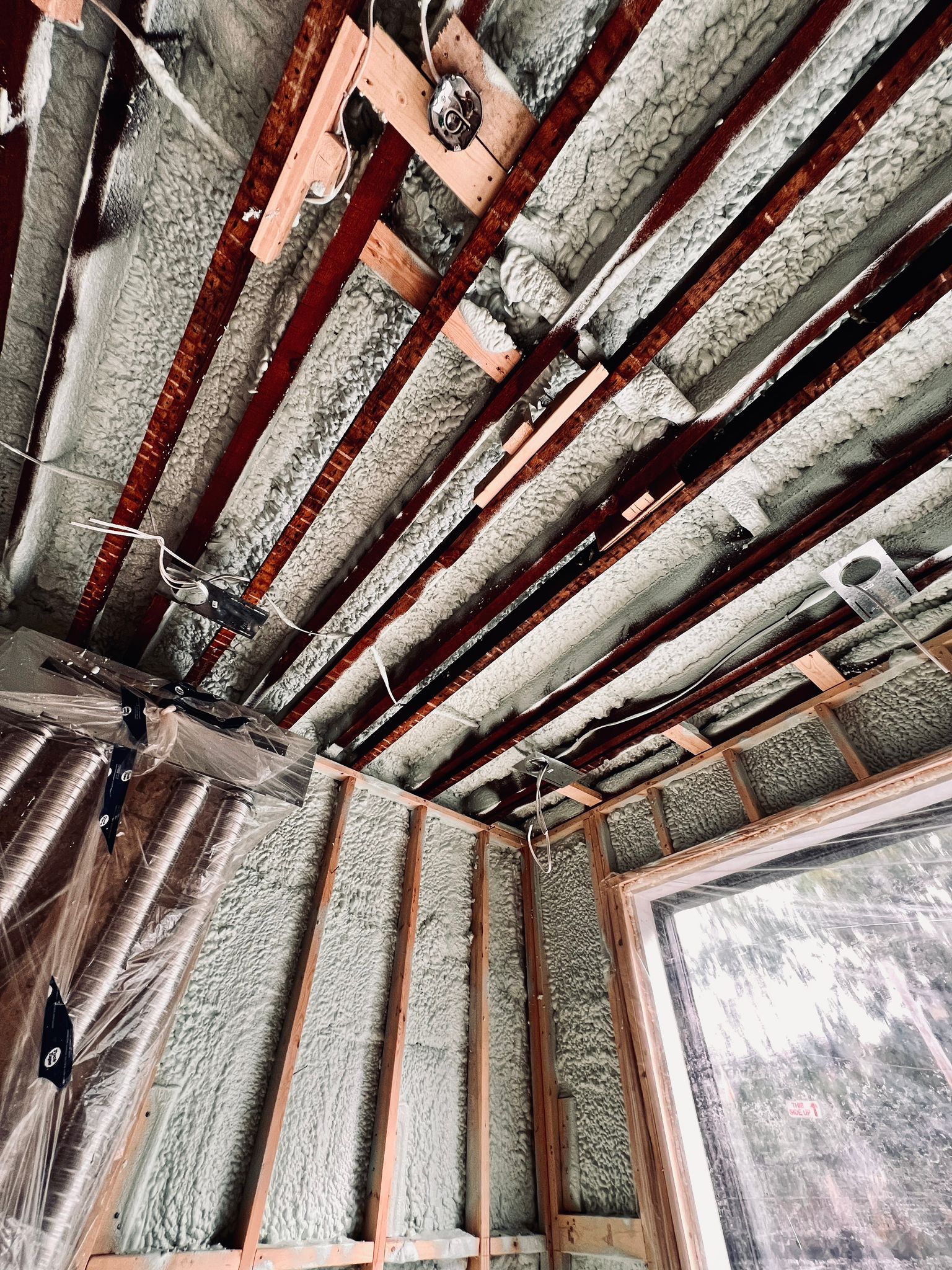
Consider that it is a brutal -20°C (-4°F) winter morning in Ontario. You are comfortably seated in your homely living room, savoring a hot beverage and relaxing in absolute security. A major cause of such comfort is the flawless 2lb closed-cell spray foam insulation sealing your walls and attic.
However, you might not know that with high-performance spray foam, there are also strict fire safety guidelines that must be legally followed. In the same way we avoid accidents by conforming to traffic lights, Ontario building codes totally eliminate the chances of catastrophic fire events.
Spray Foam Fire Safety Codes in Ontario
These intense rules come from the Ontario Building Code (OBC), which acts as a massive safety manual for anyone building or renovating a house in 2026.
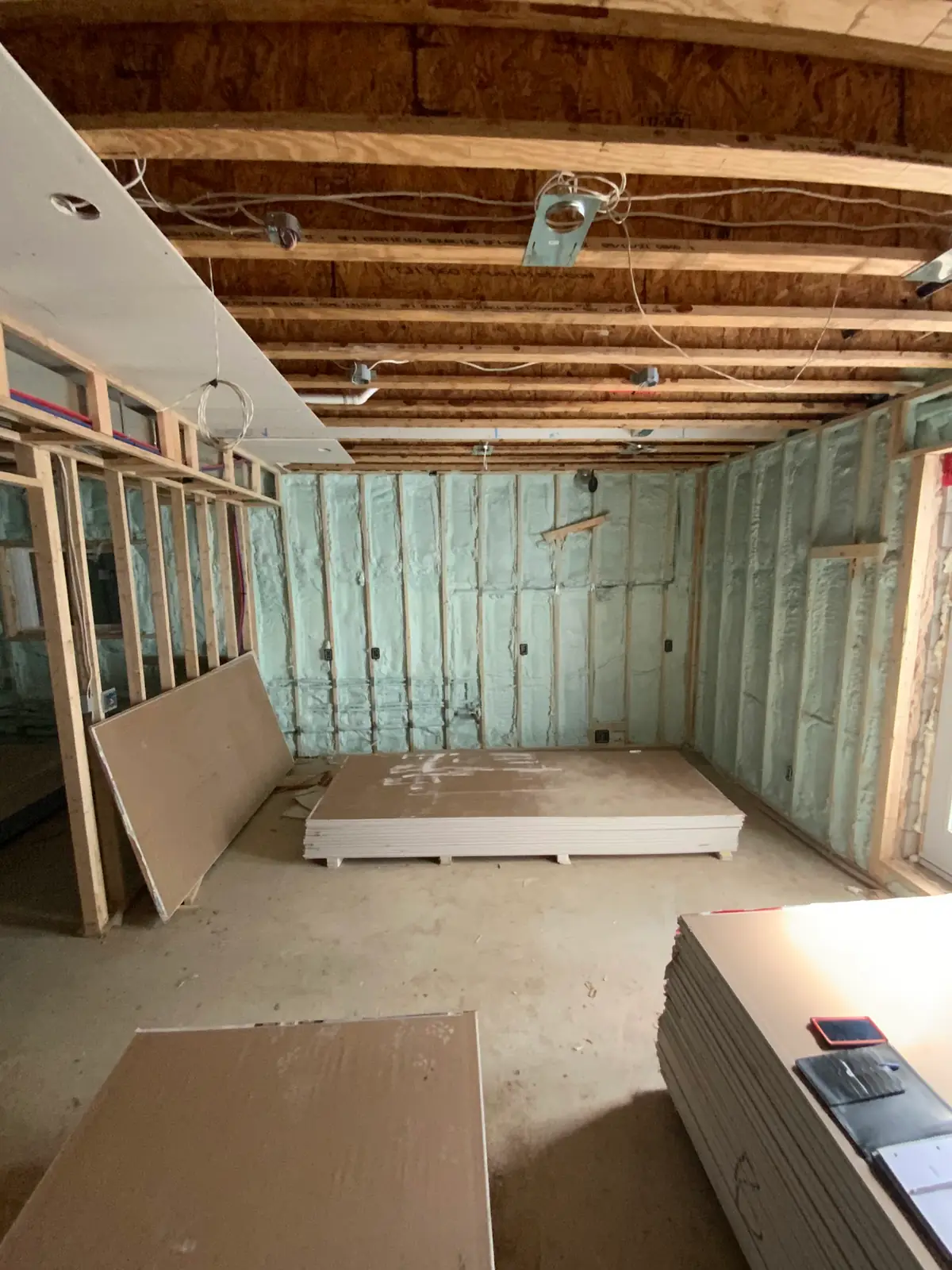
When you install premium spray foam, the OBC strictly requires that it be covered with an approved ?thermal barrier? if situated in an actively living space. The most common thermal barrier is 1/2-inch drywall, which brutally slows flame spread and grants occupants essential extra minutes to evacuate securely.
- Thermal barriers (like drywall) are a legal necessity if the spray foam is exposed to the inside of the occupied house.
- Ignition barriers (which are a slightly lower grade of protection) might alternatively be authorized in places like sealed attics or crawl spaces where inhabitants do not actively reside.
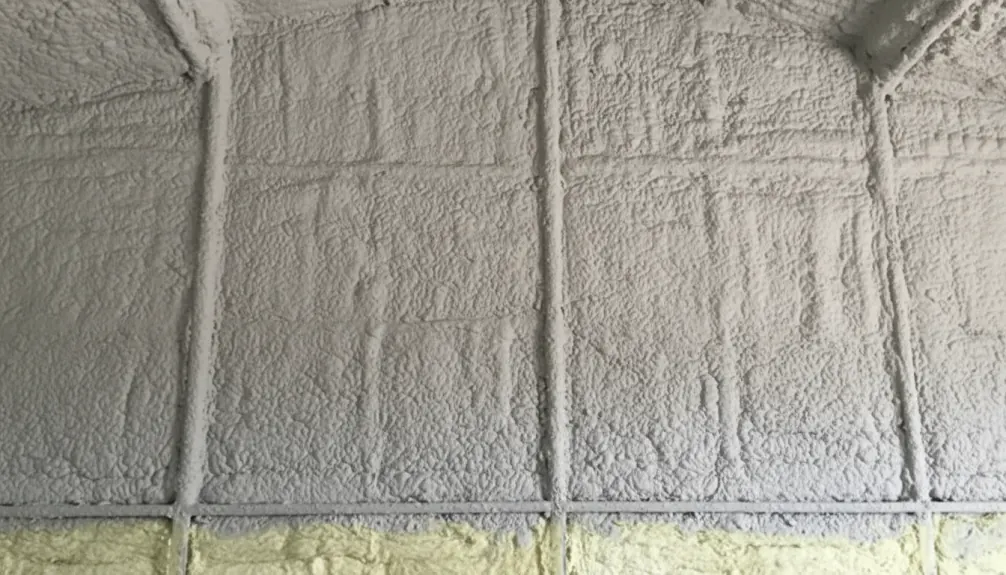
- The foam itself must strictly meet specialized ULC fire rating standards before it is legally sprayed.
Why Thermal Barriers Are Undeniably Important
Thermal barriers act as a superhero preserve on your walls. Spray foam is intended to be concealed securely behind drywall or ceilings. When fully hidden, your home is totally fortified. However, when left permanently exposed to an open flame, untreated foam can combust.
A 1/2-inch layer of standard drywall fundamentally retards the fire. Fires can double in immense size every 30 seconds. That means every extra minute you have before framing catches fire can save countless lives.
Common Errors To Avoid
The single most prevalent violation is the total absence of a thermal barrier. Inexperienced property owners wrongly believe they can blast spray foam wildly across a basement living room and leave the foam fully exposed. This violates code deeply.
Another massive mistake is attempting to DIY foam kits. Only certified professionals correctly understand the chemistry required to generate the correct R-values (R-20 for basements, R-22 for walls, R-31 for roofs) without violating flammability metrics.
Conclusion
Protecting your home involves far more than simply optimizing thermal heat retention; life safety is paramount. Utilizing correct drywall barriers over top of flawless closed-cell spray foam ensures you possess both the most secure and most efficient property possible.
Connect decisively with the certified technicians at Sprayfoam Solutions Toronto Inc. to guarantee your project easily passes code today!