Fire Resistance of Spray Foam Materials Explained
Fire Resistance of Spray Foam Materials Explained: 2026 Ontario Overview & Code Essentials
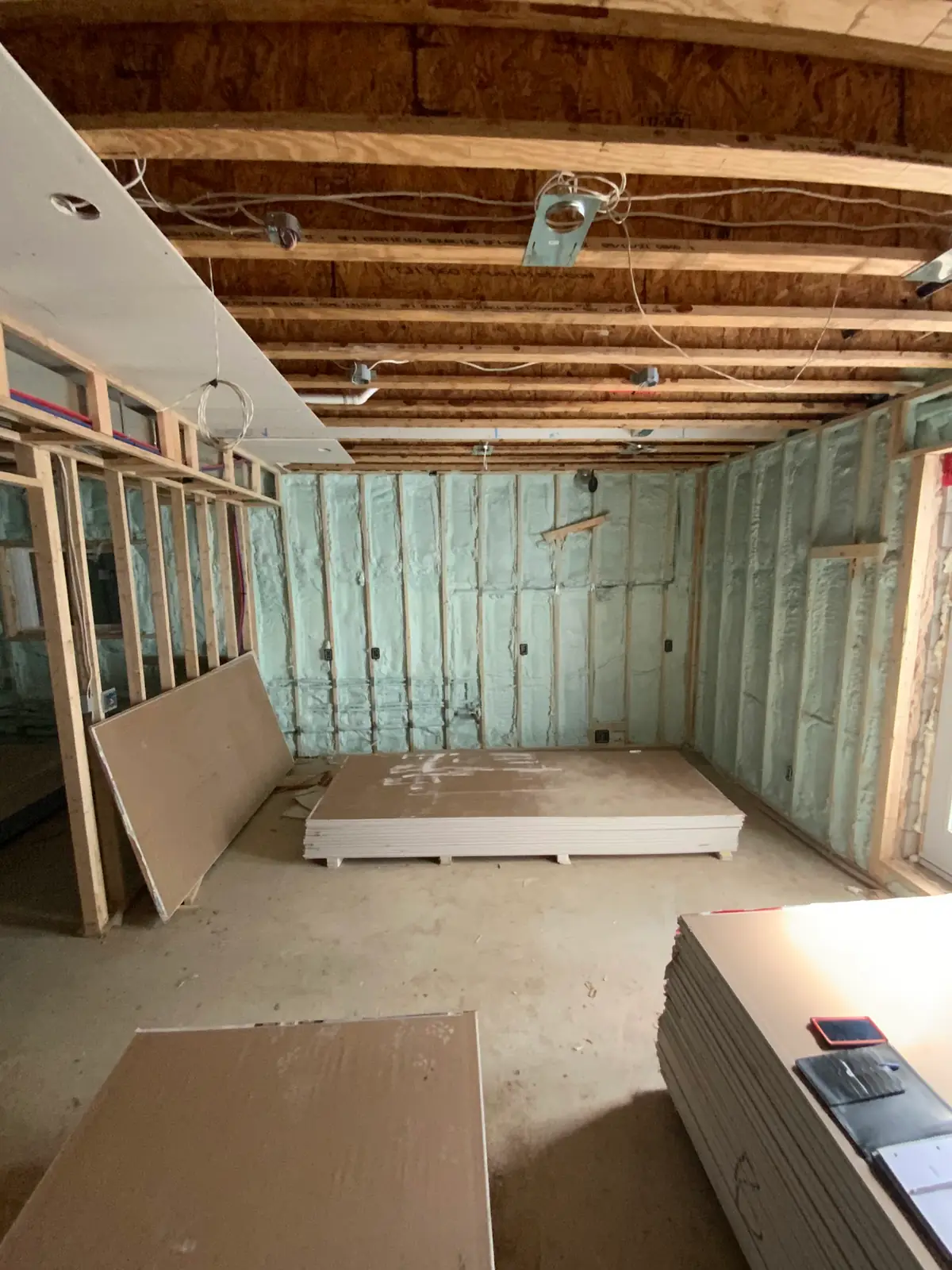
I remember visiting a freshly finished basement in Mississauga where the homeowner was super proud of his insulation job. He pointed to the walls, which were insulated beautifully with spray foam, and asked me, "Is this stuff fireproof"?
It was a legitimate question, and many people actually don't know the exact fire resistance of spray foam materials, even though it's the most popular and rapidly growing insulation choice across Canada.
So, let's break it down. What exactly happens if spray foam insulation is exposed to fire? Is it safe? And what should you be watching out for when ensuring Ontario building code compliance?
What Happens When Spray Foam Catches Fire?
Spray foam consists of chemical structures such as polyurethane that, in their rawest forms, are flammable. Yes, spray foam can burn if exposed to intense, roaring flames.
However, contemporary spray foam products used by certified professionals are meticulously formulated with advanced fire retardants. These additives do not make the foam magically "fireproof", but they massively slow the speed at which it burns and help it to self-extinguish.
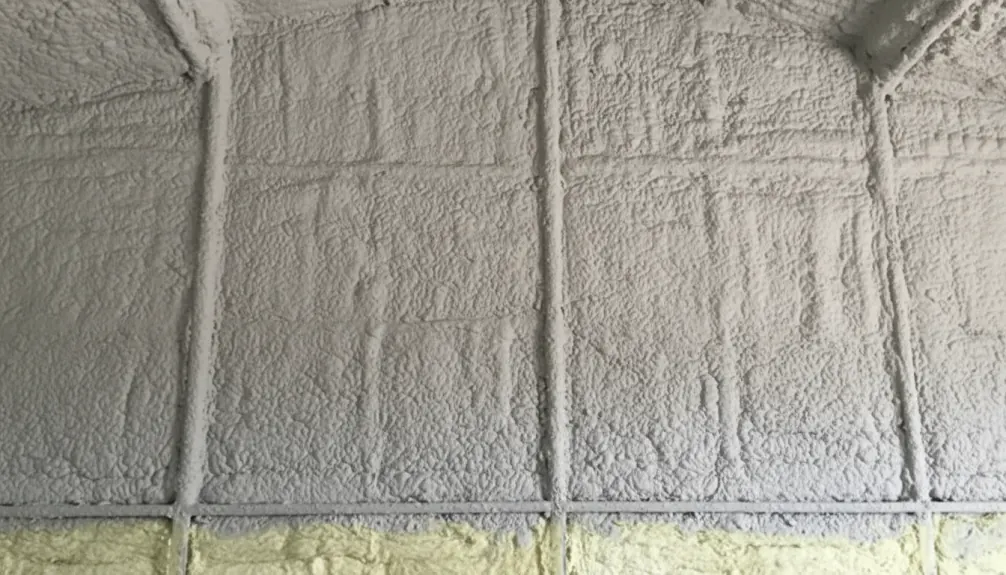
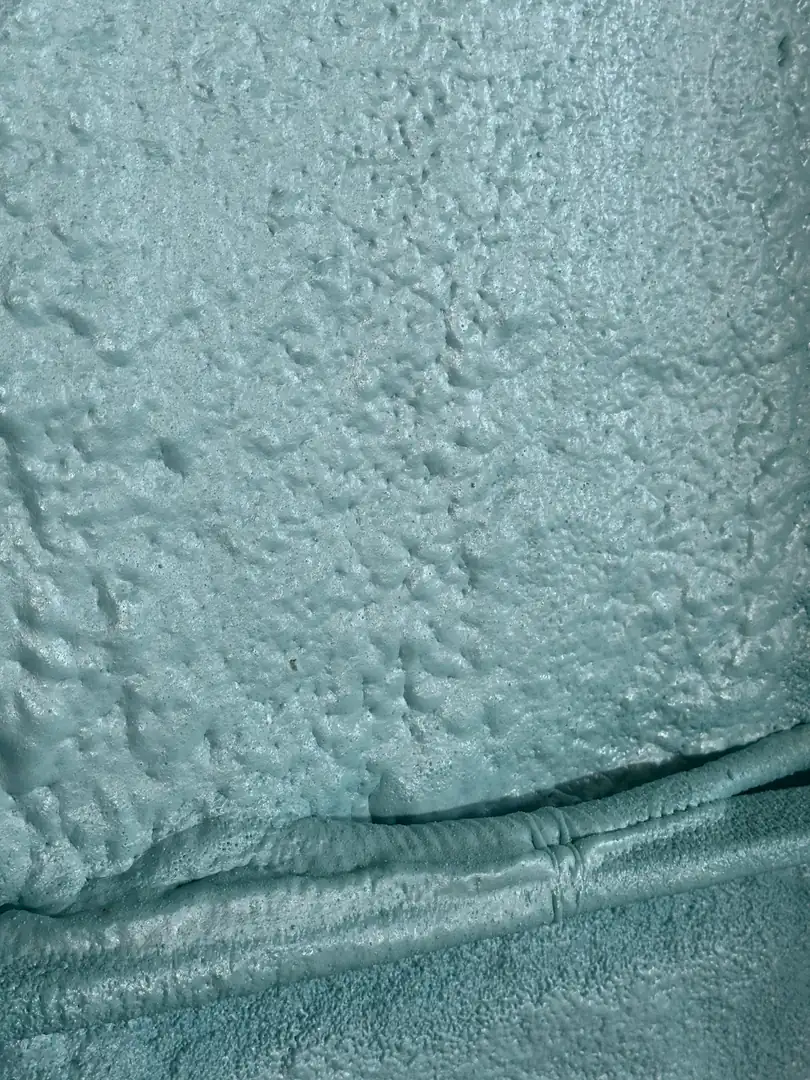
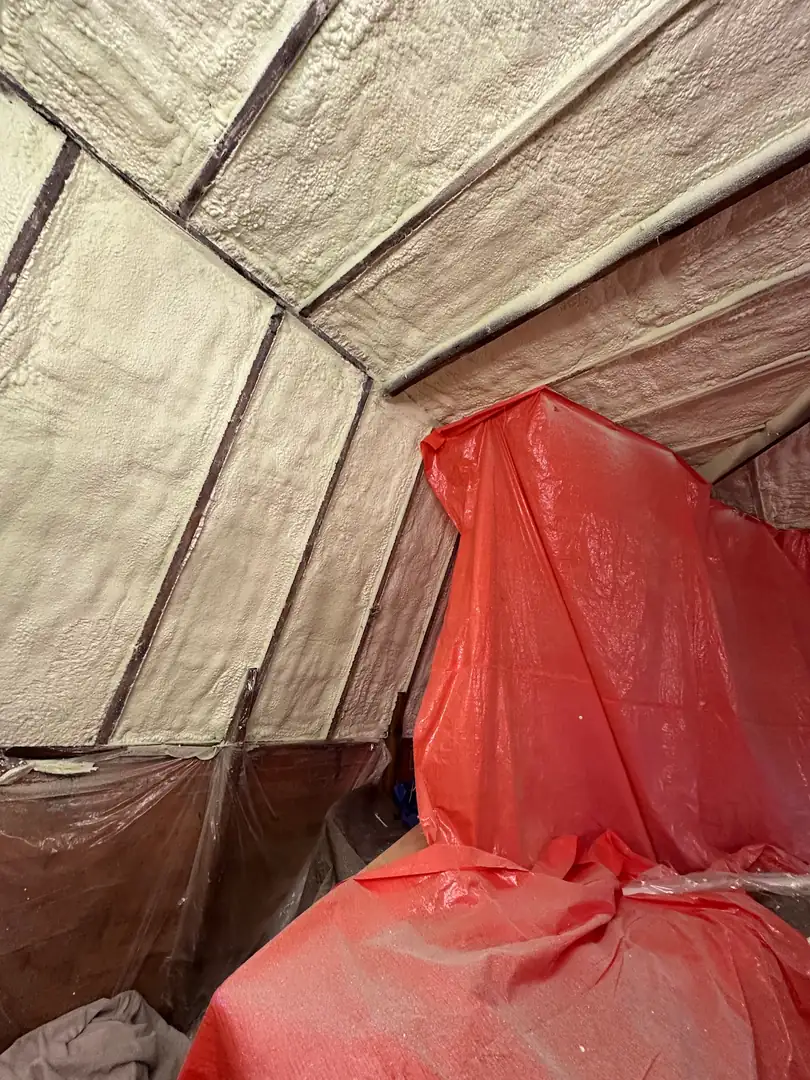
- 2lb Closed-cell spray foam is highly dense, making it much more resistant to immediate fire spread than soft open-cell foams.
- According to the National Building Code of Canada, to ensure total safety, any exposed spray foam inside a living space must be covered with a 15-minute thermal barrier, which is usually standard ½-inch drywall.
- Installing standard drywall over your spray foam gives you and your family the exact same fire escape time margins as any other standard building material.
Fire Ratings and Safety Standards You Should Know
When you hear that a material has a ?fire rating,? it simply means it has been rigorously lab-tested to determine how long it can stand firm against fire under worst-case scenarios.
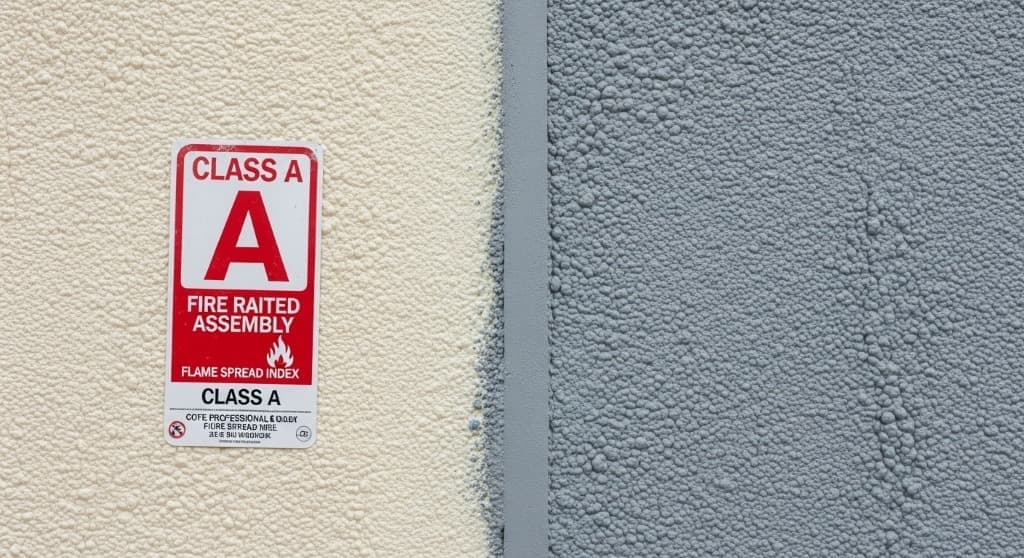
Spray foam insulation in Canada is tested under strict standards like CAN/ULC S102 (which checks how much smoke and flame a material creates) and ASTM E84.
A material passes code if its flame spread index is under 25 and smoke-developed index is under 450. Professional 2lb closed-cell spray foams consistently pass these rigorous tests easily, proving their safety before they ever enter your home.
Are There Fire-Resistant Coatings?
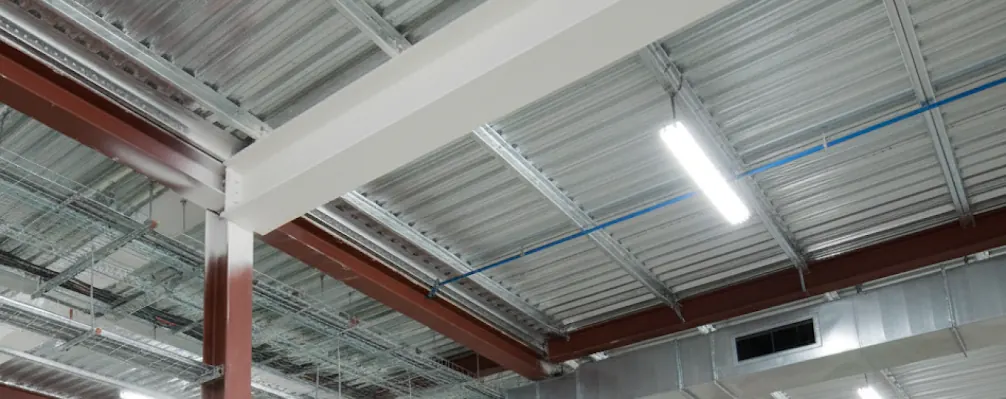
If you are leaving spray foam fully exposed (such as in an industrial warehouse, agricultural barn, or a rough unfinished crawl space), you cannot leave it totally unprotected.
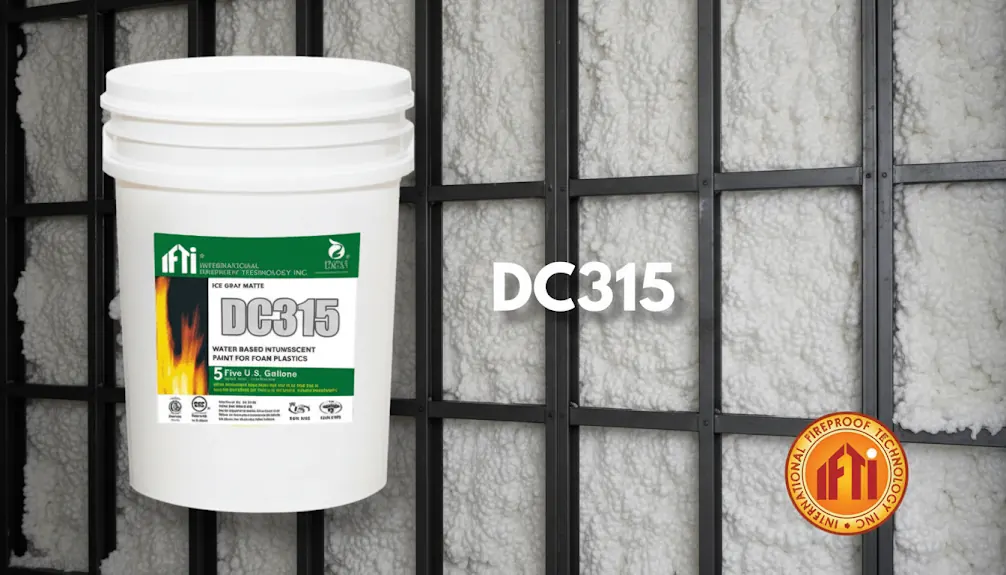
In commercial and unique residential scenarios, builders add an Intumescent Coating over the foam. This is a special, high-tech paint-like product that swells up and forms a thick, fire-resistant carbon layer the moment it is exposed to extreme heat, shielding the foam completely.
Why Code-Compliance Matters
Whether you are insulating an attic, crawl space, or basement, the fire resistance protocols of the Ontario Building Code are something you cannot ignore.
Suppose you have a little electrical spark from a bad wire. If you used proper 2lb closed-cell spray foam and installed your 1/2-inch drywall (thermal barrier), the spark will struggle to find oxygen or ignite rapidly, giving you incredible safety margins.
Knowing the fire resistance of spray foam materials helps you choose an insulation strategy that not only keeps you extremely warm but keeps your family safe.
Final Thoughts
In the world of insulation, we often focus on R-value, energy savings, and air sealing. But safety matters just as much. By hiring certified professionals at Sprayfoam Solutions Toronto Inc., you guarantee your insulation meets and exceeds every strict Canadian fire safety standard.