How to Use Steel Wool and Spray Foam: A Step-by-Step Guide

How to Use Steel Wool and Spray Foam: 2026 Ontario Overview & Code Essentials
The interaction between steel wool and spray foam is one of the most useful tricks in home maintenance and pest control. Where and how they are used dictates the difference between comfort in your home or an open invitation to pests.
As a guide to this tutorial, I will demonstrate how to use steel wool properly with spray foam, give you some pro-tips, and explain why this is such a powerful pair for protecting your Ontario home.
What is Steel Wool and Spray Foam?
Let's take a moment to define both materials before we get started.
- Steel Wool: Tightly wrapped together, this bundle of thin metal strands produces a dense, durable substance. It is exceptionally uncomfortable for rodents to chew through.
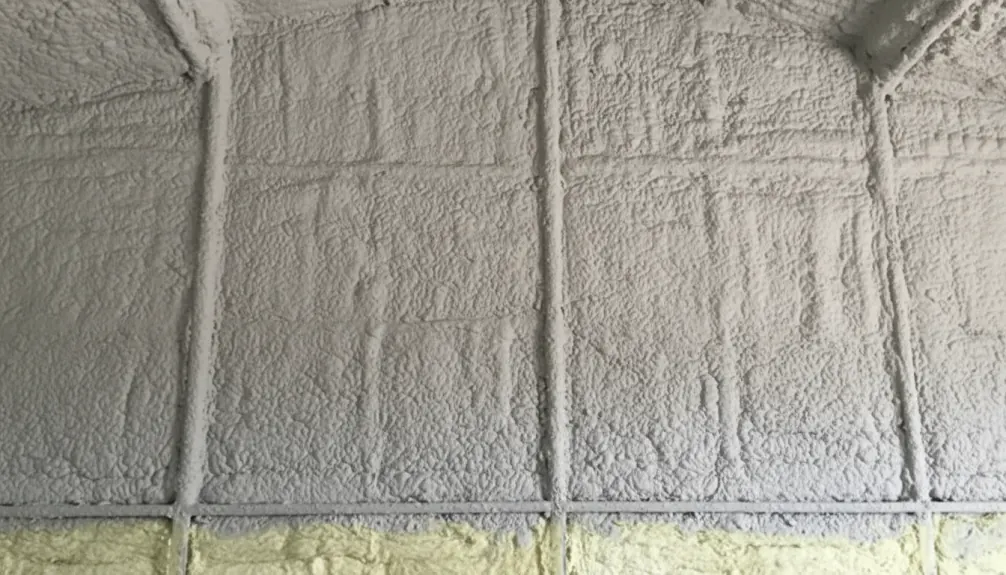
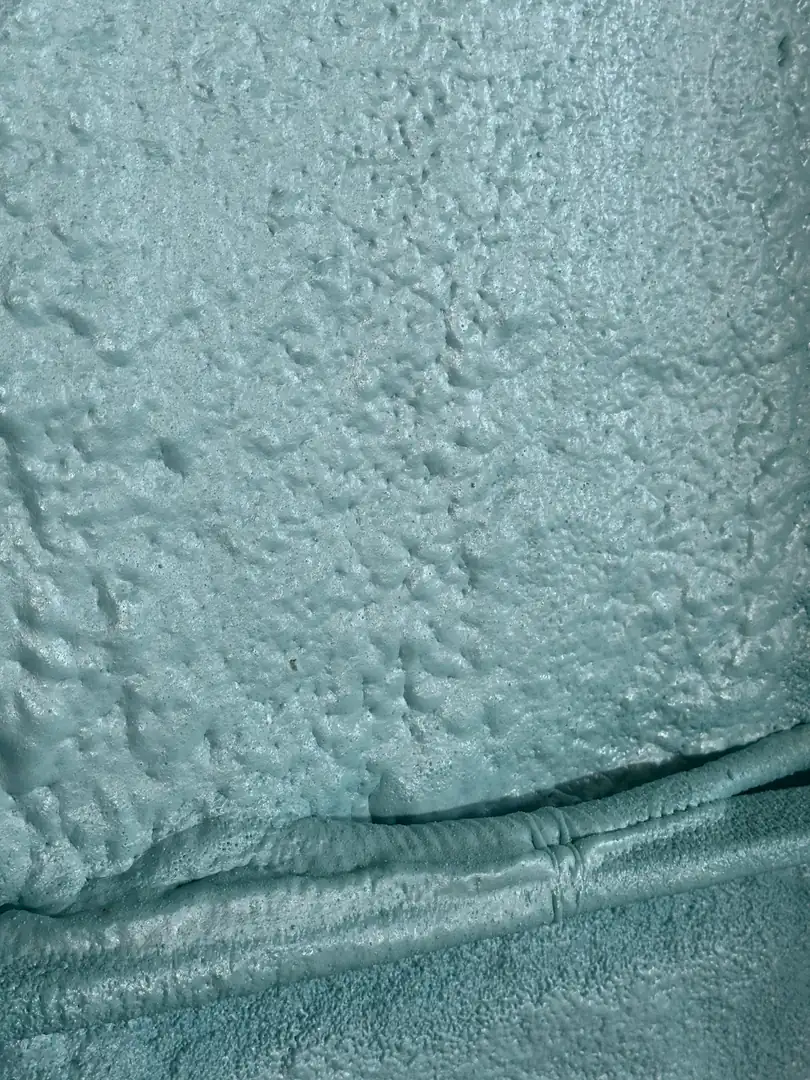
- Spray Foam: When applied to gaps, spray foam rapidly expands and hardens. It serves as an incredible thermal insulator and air barrier.
Together, steel wool and spray foam provide a formidable physical barrier against insects and rodents, while perfectly sealing energy leaks in your home.
Why Use Steel Wool and Spray Foam Together?
Combining steel wool and spray foam is more than just a fad; it's a highly workable fix for common household problems during cold Canadian winters (-20°C / -4°F). Here is why professionals use this combination:
- Pest Control: The steel wool gives the insulation a rigid, sharp density which deters mice or other small rodents from chewing through the foam seal to enter your warm house.
- Better Insulation: Because pests cannot chew through the barrier to make nests, the thermal integrity of the spray foam remains completely intact at all times.
How to Use Steel Wool and Spray Foam for Sealing Gaps
Now that we know why this combination works so well, let's examine the exact steps to filling critical gaps around your home.
- Step 1 (Find Gaps): Look for openings or crevices near your foundation, basement rim joists, old windows, or HVAC plumbing lines.
- Step 2 (Prep): Clean the area around the gap. This guarantees that the spray foam will stick to the structure flawlessly.
- Step 3 (The Wool): Insert a piece of standard steel wool into the opening. Make sure it fits tightly but leave some breathing room so the foam can encapsulate it.
- Step 4 (The Foam): Put on protective gloves, shake the spray foam can, and completely spray over and inside the steel wool. As it expands, the foam will bind the metal fibers into a solid wall.
- Step 5 (Cure): Allow the foam to dry for 24 hours. Once hard, use a utility knife to trim any excessive, unsightly foam bulging from the hole.
Where Should You Use This Strategy?
This application is perfect for areas prone to drafts and mice entering to escape the cold. Use this trick along Basement Rim Joists, around exterior plumbing vents, and anywhere brickwork meets wood siding.
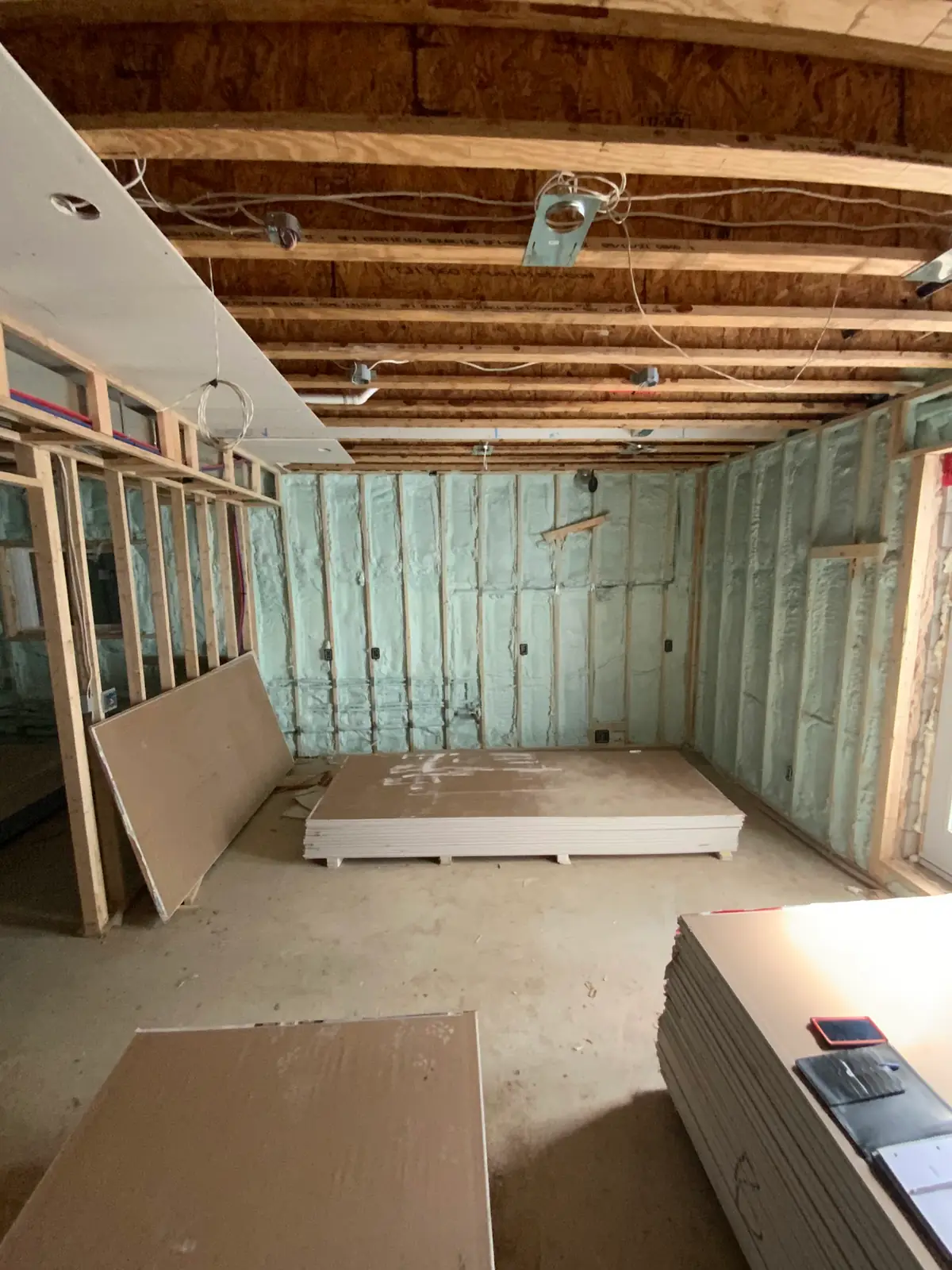
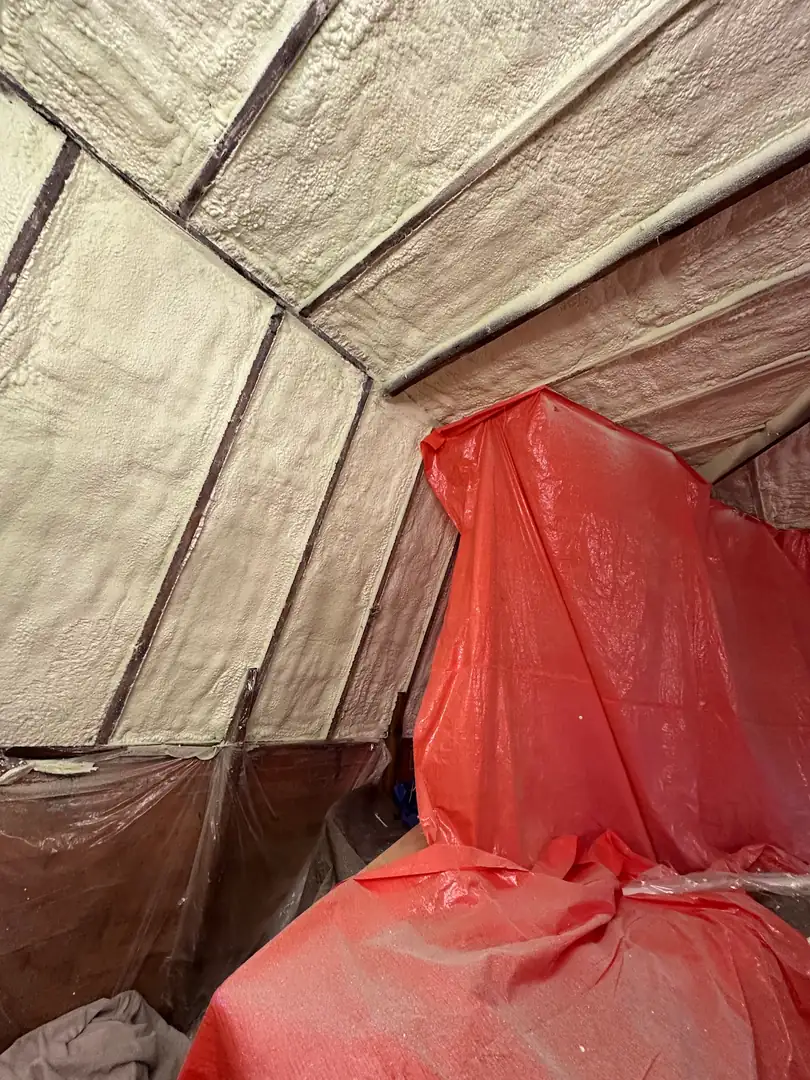
While this is great for tiny DIY patches, if you have exposed walls, cold basements, or drafty attics, DIY cans are not enough. Large-scale areas require professional 2lb closed-cell spray foam insulation to establish a continuous R-20 to R-31 thermal barrier that absolutely blocks moisture and freezes.
If you suspect your home is heavily under-insulated and costing you hundreds in energy bills, reach out to Sprayfoam Solutions Toronto Inc. today!