Is Fiberglass Insulation Dangerous? The 2026 Truth Revealed
Is Fiberglass Insulation Dangerous? The 2026 Truth Revealed: 2026 Ontario Overview & Code Essentials
For decades, standard fibrous materials have found extensive use in residential building simply because they are cheap. If you pull back the drywall of any older home in Ontario, you will find pink, fluffy fiberglass batting. But many homeowners are now starting to aggressively question: Is fiberglass insulation physically dangerous?
The fast answer is yes. Fiberglass insulation is fundamentally composed of millions of microscopic shards of woven glass. When this material is disturbed, it violently releases these tiny glass fibers directly into your breathable air, posing severe health hazards.
How Old Fiberglass Destroys Health and Homes
The toxic nature of fiberglass insulation depends heavily on its ability to degrade. When you or a contractor touch old fiberglass, it instantly sheds glass fragments.
- Skin Lacerations: The skin severely suffers when people touch fiberglass; the pointy microscopic glass shards instantly lodge into pores leading to rashes, redness, and brutal itching.
- Respiratory Irritation: Inhaling airborne fiberglass dust causes throat, nasal, and upper-respiratory irritation. Both the Canadian Centre for Occupational Health and Safety (CCOHS) and Ontario Ministry of Labour (OHSA) guidelines recommend N95 respirators, eye protection, and protective coveralls for workers removing disturbed fibrous batts.
- Water Sponging: Besides health risks, fiberglass provides absolutely zero air seal. When brutal -20°C (-4°F) winter air meets your warm house, fiberglass acts like a sponge, absorbing water condensation and rapidly growing toxic black mold behind your walls.
The Ultimate, Safe Alternative: Spray Foam
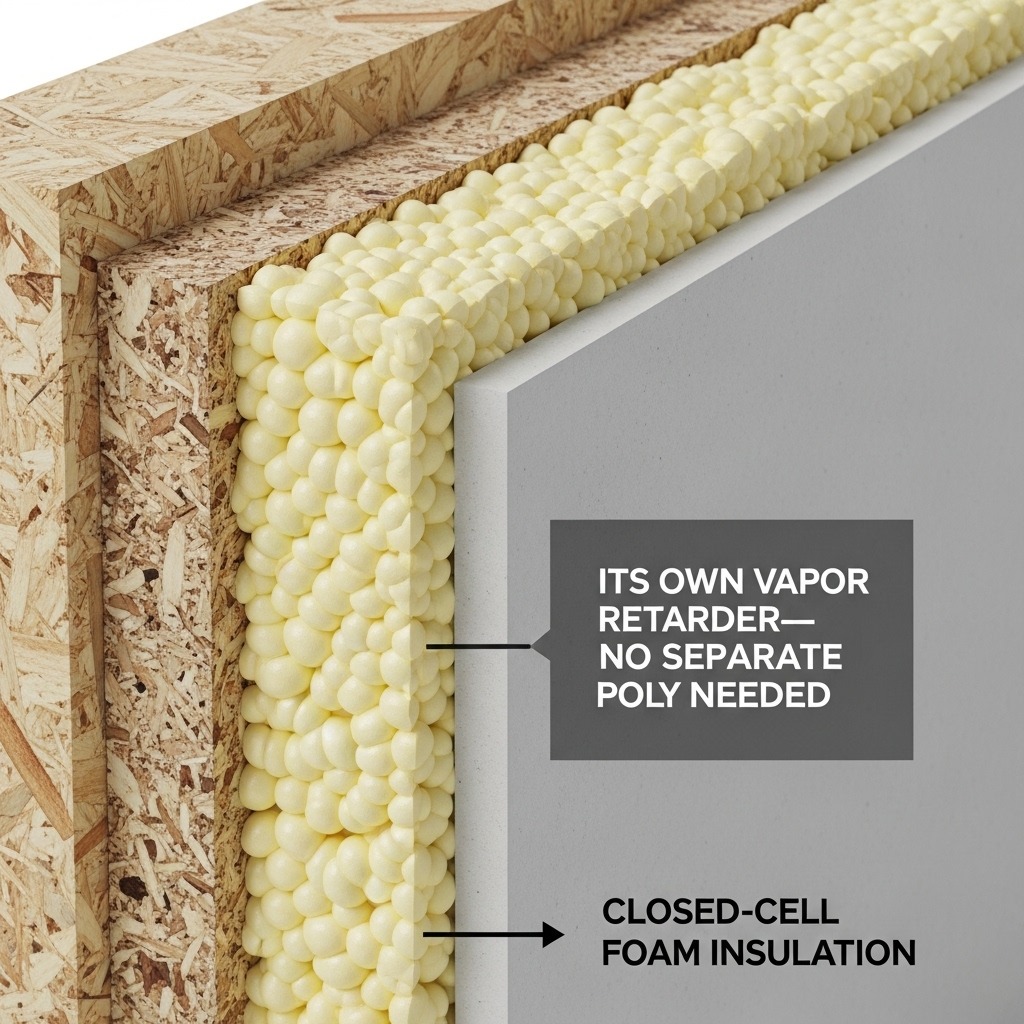
If you want to definitively protect your family and your pets from floating glass dust, the undisputed champion is 2lb closed-cell spray foam insulation.
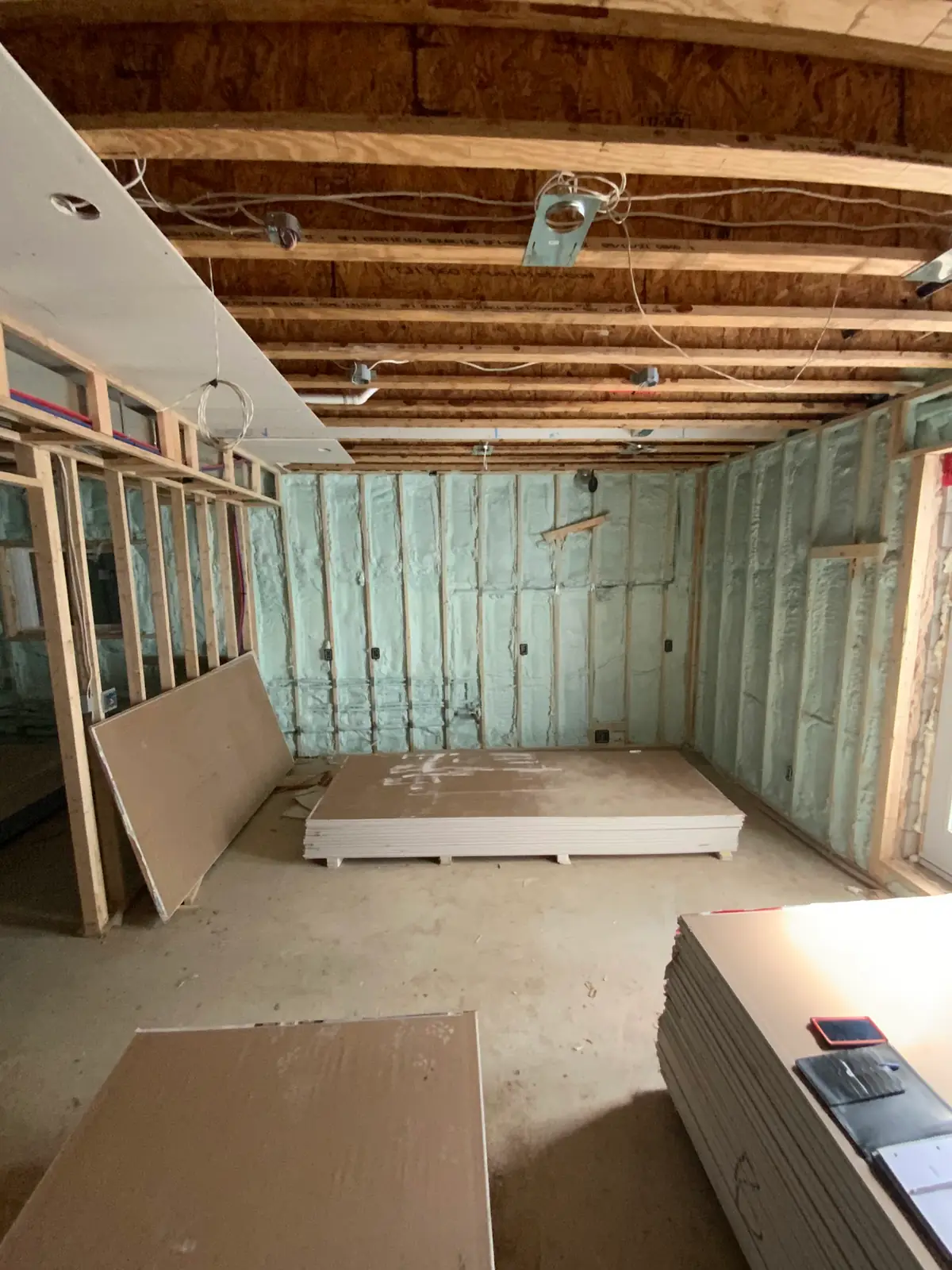
Unlike incredibly hazardous fiberglass, closed-cell spray foam is a highly stable, rigid polymer. Check out the massive benefits of spray foam:
- Zero Airborne Particles: Once cured, closed-cell foam operates exactly like a solid, hardened shell. It sheds absolutely nothing into your breathable air.
- Flawless Air Seal: It structurally blocks 100% of all moving air, effectively stopping all drafts and shutting out outside pollution.
- Moisture Rejection: Spray foam acts as a certified Class-1 vapor barrier. It physically cannot absorb water, making it fundamentally impossible for mold to grow.
Cost vs Value
Sure, throwing cheap pink fluff into a wall is inexpensive initially, but the long-term health risks and massive energy bleed from a lack of air-sealing make it a terrible investment. By upgrading to premium closed-cell spray foam (at roughly $3.00 to $5.00 per square foot), you gain total peace of mind.
Conclusion
Why risk inhaling glass shards and dealing with black mold when superior technology exists? The correct solution is removing hazardous fiberglass completely.
Connect immediately with the trained professionals at Sprayfoam Solutions Toronto Inc. to perfectly seal and sanitize your home's envelope.