How Much Does R60 Attic Insulation Cost? Updated 2026 Guide
How Much Does R60 Attic Insulation Cost? Updated 2026 Guide: 2026 Ontario Overview & Code Essentials
Ever thought how much does attic insulation cost? You're not alone. When winter rolls around, many Canadians, particularly those in parts of the country that experience cold winters, begin looking for ways to insulate their home to reduce heating bills and make their homes more energy efficient. But the fact is, determining the price isn't quite as straightforward as just Googling it.
Please allow me to walk you through it as though we were sitting at a kitchen table. First of all, R60 insulation has a high thermal resistance, which means it does a good job of keeping heat inside in the winter and outside when it's hot. This insulation level is typically recommended for attics in cold parts of Ontario if you are using blown-in insulation like cellulose or fiberglass.
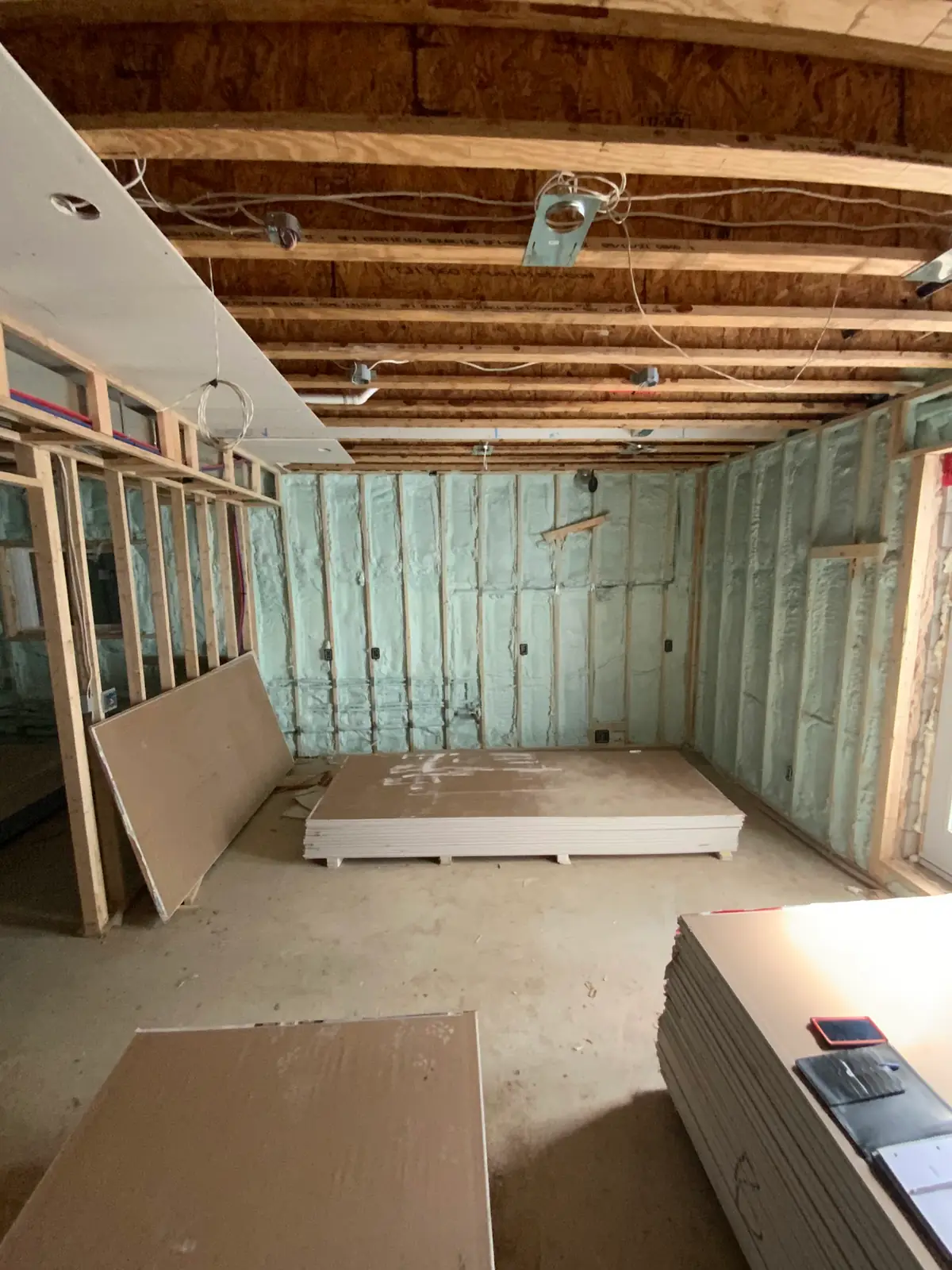
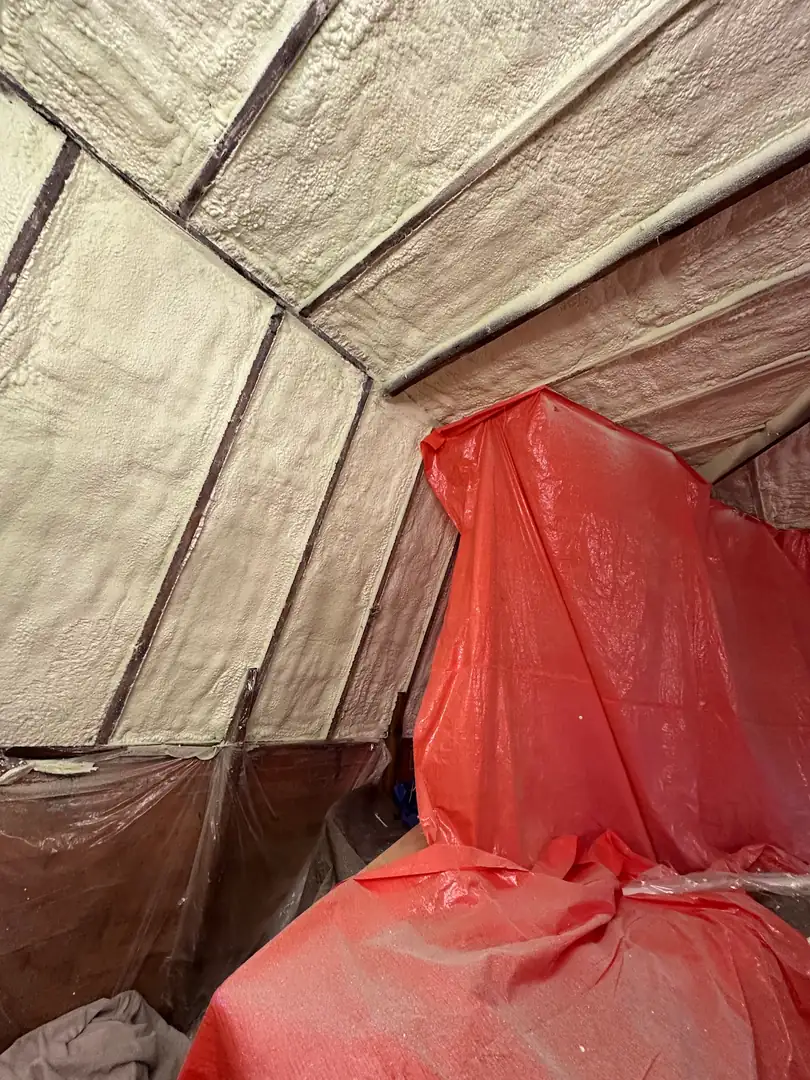
However, if you are upgrading to spray foam in a cathedral ceiling, dormer, or low-slope roof assembly where rafter depth is restricted, Ontario building codes permit R-28 to R-31 (roughly 5 inches of 2lb closed-cell spray foam), while full unvented attic conversions combine a closed-cell air/vapour seal with higher R-50 to R-60 thermal builds because spray foam completely stops air leakage! The price depends on the material, the size and roof pitch of your attic, and whether old insulation removal is required.
Before we dive deeper, Sprayfoam Solutions Toronto Inc. installs all of these Ontario attic options (plus HEPA vacuum removal of old attic insulation at $1.25–$2.75/sq ft). Here is a quick snapshot of our 2026 installed prices:
- 2lb Closed-Cell Spray Foam (5" R-31 Cathedral / Hybrid Attic Seal — We Install): $3.00–$5.00+ per sq. ft.
- 1/2lb Open-Cell Spray Foam (We Install): $1.50–$3.00 per sq. ft.
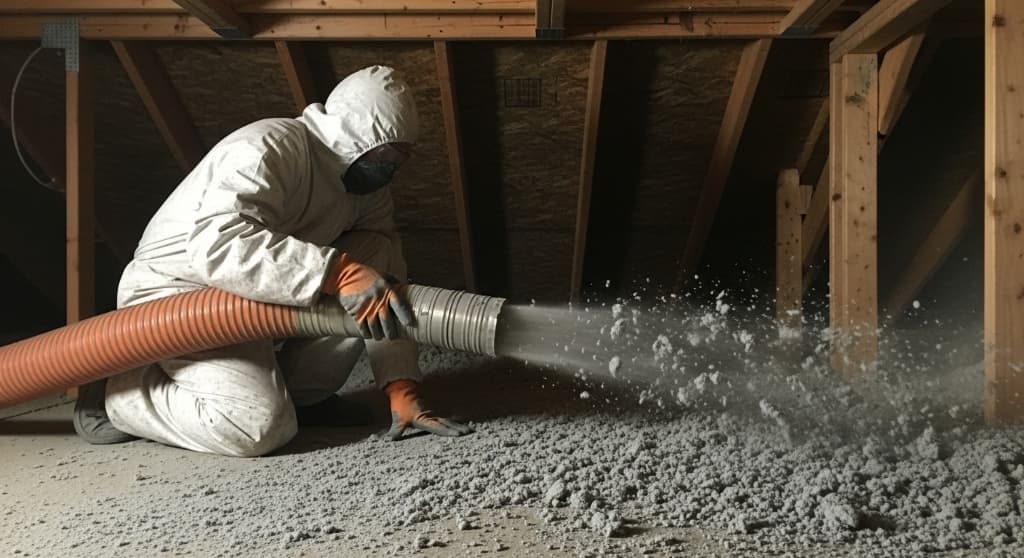
- R60 Blown-In Cellulose Attic Insulation (We Install): $2.00–$3.50 per sq. ft.
- R60 Fiberglass Attic Insulation (We Install): $2.20–$3.75 per sq. ft.
But don't worry, we are going to break all this down so you fully understand what's driving the cost.
Why Does Attic Insulation Cost So Much? (Let's Break It Down)
When people hear the prices for attic insulation, they often gasp, "Why so expensive"? But let me explain, because when you break it down, it actually makes sense.
First, materials matter. Spray foam, for instance, is more expensive up front, but seals air leaks more effectively and can lower heating bills by as much as 30 percent, according to Energy Star Canada. Blown-in cellulose is less expensive, but may settle over time, and thereby lose effectiveness. Batts are very affordable, but they have to be installed perfectly to prevent gap formation (which is nearly impossible).
Second, a big component of the bill is labor costs. Experienced installers will be able to work with the material safely and guarantee you the full R-rating. You're not just buying a product, you are buying expertise.
Third, the size and condition of a home's attic can be a factor. An attic that's hard to get into, contains old insulation that needs to be removed, or requires better ventilation, will mean more hours of labor and higher costs.
So, when asking how much attic insulation costs, remember that material type, labor expertise, and attic condition each affect the final price tag.
Choosing the Right Type of Insulation for Your Budget
Now that we know what drives the cost, how do you choose the right insulation? I often tell homeowners: it's not just about the cheapest price, it's about long-term value.
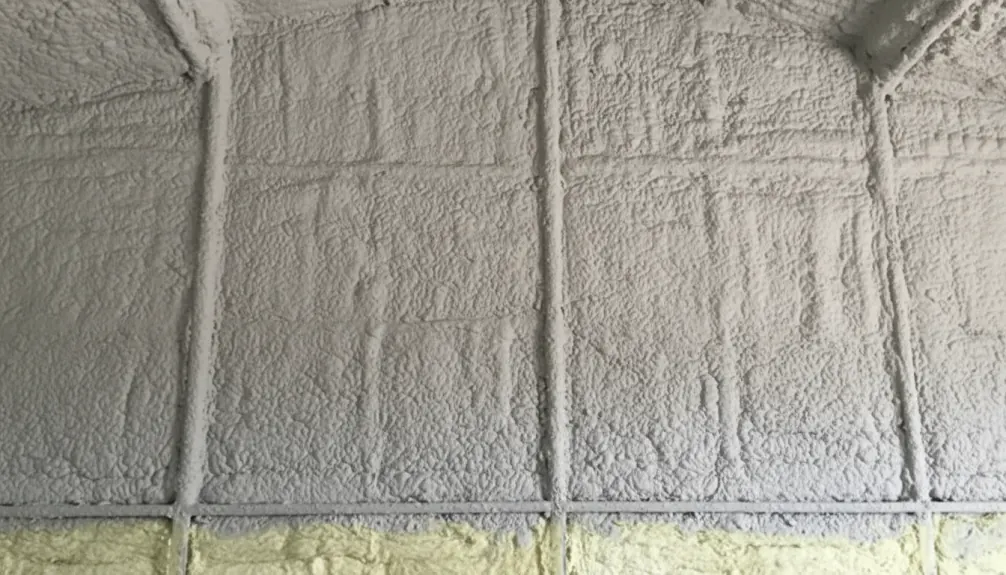
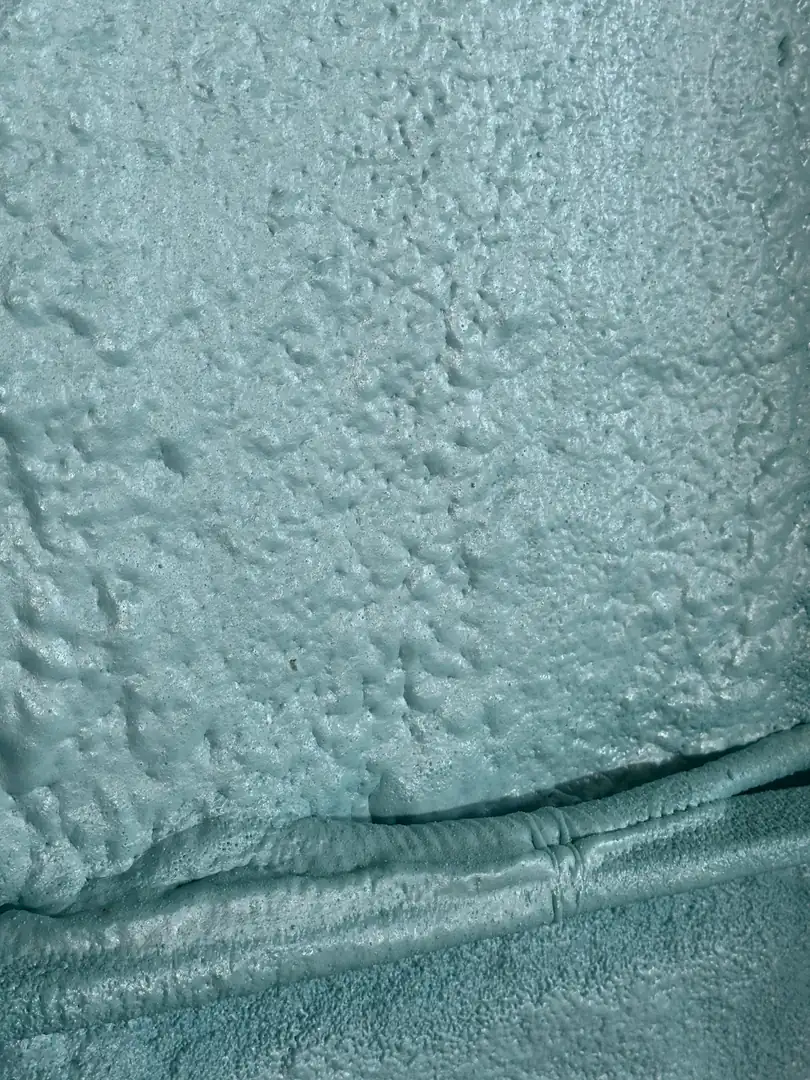
Spray foam insulation ($3.00–$5.00 per sq. ft. for 2lb closed-cell) creates an air-tight seal, adds structural strength, and resists moisture and mold. In cathedral ceilings and low-clearance roof decks where R-31 is code-compliant—or as a 2"–3" closed-cell air/vapour barrier base in R-50/R-60 attic assemblies—spray foam dramatically outperforms loose-fill insulation because it stops air escape entirely. That makes it a great investment for long-term energy savings, especially in harsh Canadian winters hitting -20°C (-4°F).
Blown-in cellulose insulation is popular for retrofits. It has a decent R-value and costs less at $2.00–$3.50 per sq. ft. But it can settle over time, meaning you might need to top it up later. Fiberglass batts are the least expensive upfront ($2.50–$4.00 per sq. ft.) but they leave gaps around joists and wires, losing their efficiency immediately.
- Most expensive and highest-performing air/vapour seal: 2lb Closed-Cell Spray Foam (We Install)
- Great for soundproofing and deep cavities: 1/2lb Open-Cell Spray Foam (We Install)
- Cost-effective R-60 vented attic upgrade: Blown-In Cellulose (We Install)
- Clean R-60 loose-fill or batt option for open vented attics: Fiberglass (We Install)
What Other Factors Affect Attic Insulation Cost?
Let's dig even deeper. Besides material and labor, several sneaky factors can influence how much your attic insulation costs.
- Existing Insulation Removal: If your attic has old, damaged, or moldy insulation, removing it will add to the bill, often $1–$2 per sq. ft.
- Air Sealing & Ventilation Repairs: Proper fiberglass or cellulose insulation only works if the attic is airtight. Spray foam handles this automatically by acting as an absolute air seal.
- Accessibility: A large, easy-to-access attic costs less to insulate than a cramped, irregular space.
- Contractor Expertise: A certified, experienced insulation contractor may cost a bit more, but is less likely to cut corners.
Knowing these hidden costs can help you better prepare and avoid surprises. As always, seek quotes and ask questions before signing a contract.
How Much Should You Overall Budget?
On average, for a 1,000 sq. ft. attic in 2026, you're looking at:
- Closed-Cell Spray Foam (R31): $3,000–$5,000
- Blown-in cellulose (R60): $2,000–$3,500
- Fiberglass batts (R60): $2,500–$4,000
Remember that buying proper attic insulation gives you massive savings over the years, not just at the start. Experts say that air-sealing with spray foam can help you save between 15% and 30% on your heating and cooling bills every single year.
It's a great idea to reach out to local professionals, such as our team at Sprayfoam Solutions Toronto Inc., for an in-depth look at your home.
Conclusion: Investing in Attic Insulation for Long-Term Savings
When you are wondering how much attic insulation costs, it really depends on the materials, labor, and condition of your attic. Our #1 specialty is 2lb closed-cell spray foam, which is the most effective system for air sealing, cathedral ceilings, and maximum energy savings—and for standard vented attics, our crews also install R-60 blown-in cellulose and fiberglass upgrades (plus full HEPA vacuum removal of old insulation).
A spray-foam insulated attic is one of the smartest investments you can make in your home, not only for comfort, but also to add significant value to your house when it comes time to sell. Ready to find out what works best for you? Contact us at Sprayfoam Solutions Toronto Inc. for a detailed quote and excellent installation service.