How to Insulate a Dormer Roof Correctly in Canada (2026)
How to Insulate a Dormer Roof Correctly in Canada (2026): 2026 Ontario Overview & Code Essentials
Dormer roofs provide deeply beautiful visual accents and desperately needed headroom to top-floor bedrooms. However, when brutal -20°C (-4°F) Canadian winters aggressively attack, dormers are mathematically the single biggest point of severe heat loss outside of a vaulted ceiling.
Attempting to insulate the highly jagged, insanely tight angles of a dormer using cheap fiberglass is heavily destined to fail. Let's violently break down why hitting extreme R-values in tiny roof spaces demands modern chemistry.
Why Insulating a Dormer Roof Is Intensely Difficult
The entire structure of a dormer is framed with extremely tight angles and incredibly small rafter cavities. The Ontario Building Code requires a heavy R31 rating for roof overhangs and ceilings.
If you aggressively attempt to jam old, fluffy fiberglass batt into a 4-inch dormer cavity, you will never hit R31. Worse, the air gaps inevitably allow warm indoor humidity to rush up into the cold dormer corners, instantly condensing into water droplets and causing horrible black mold or roof-destroying ice dams in the winter.
The Undisputed Best Strategy: Spray Foam
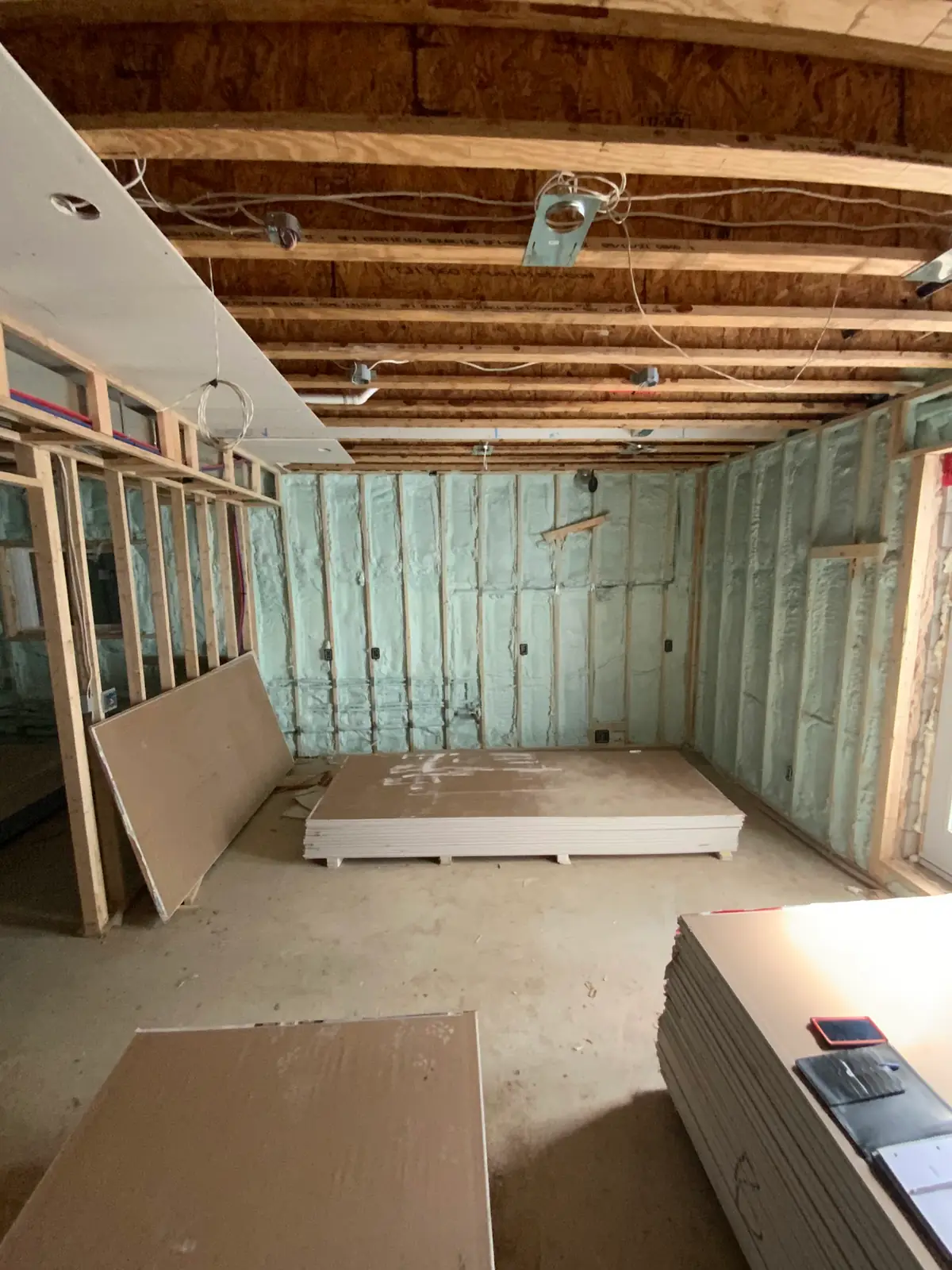
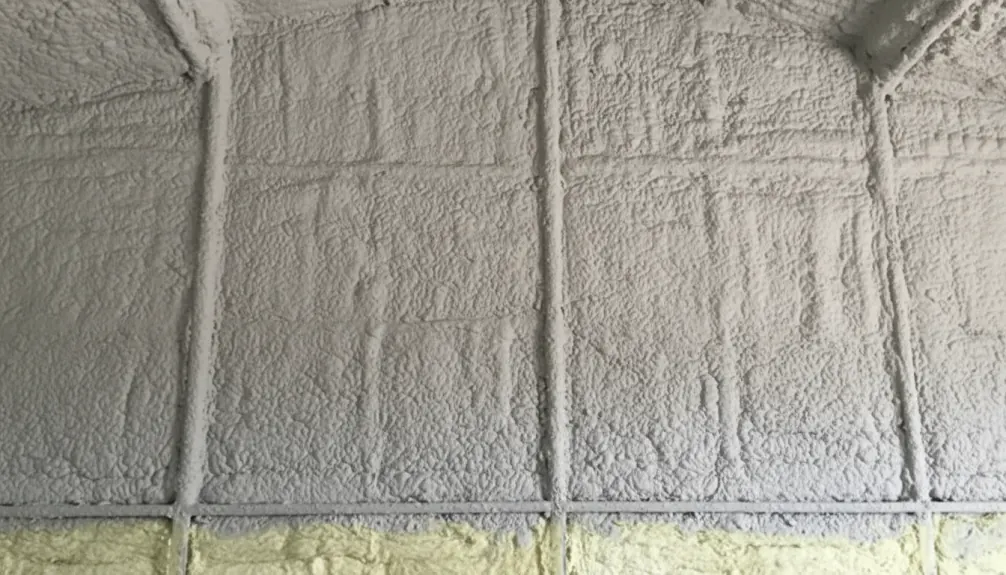
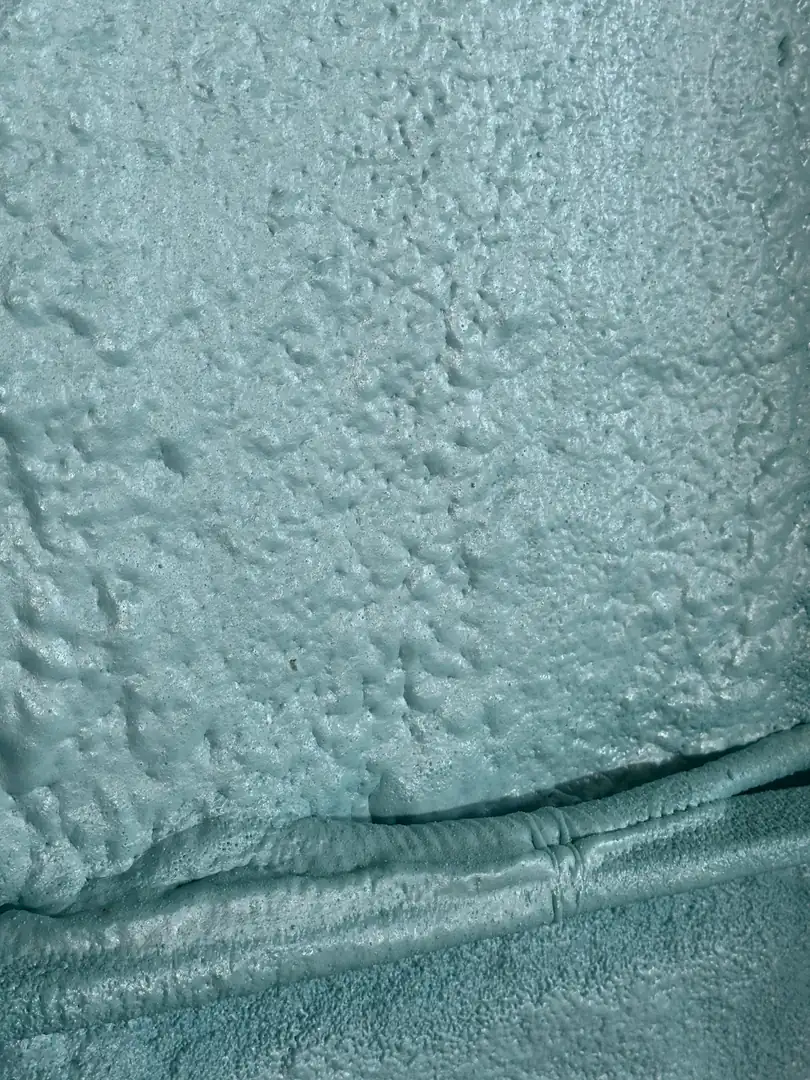
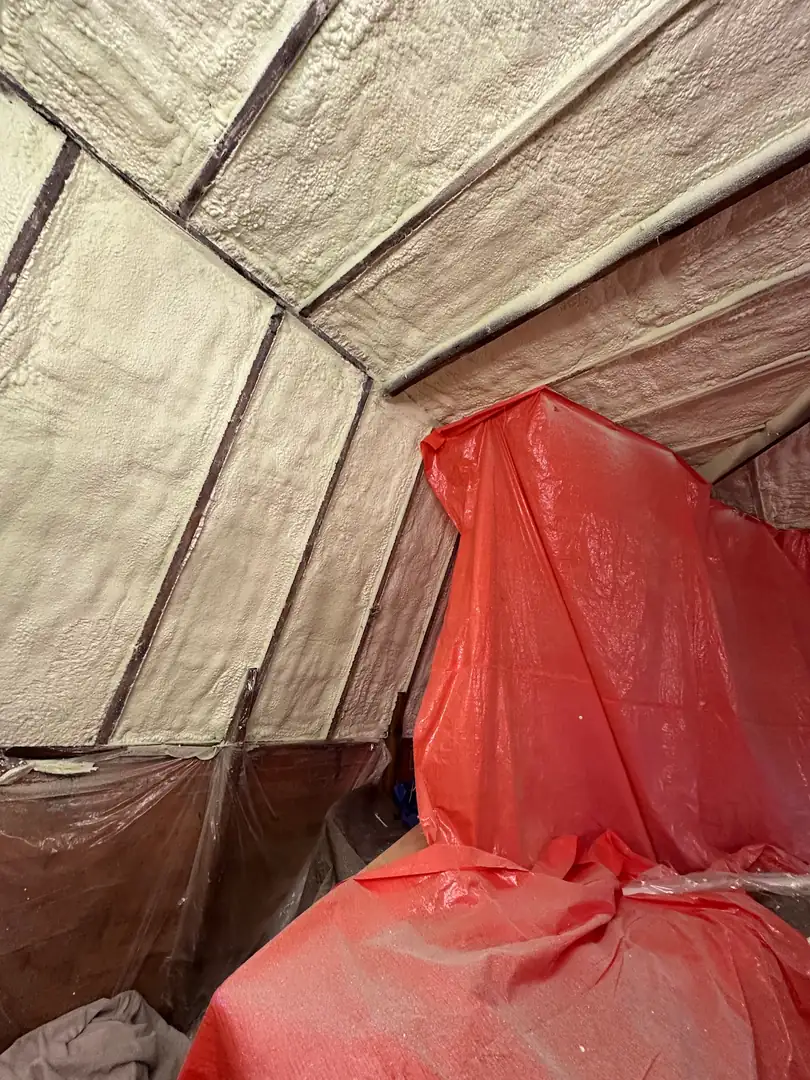
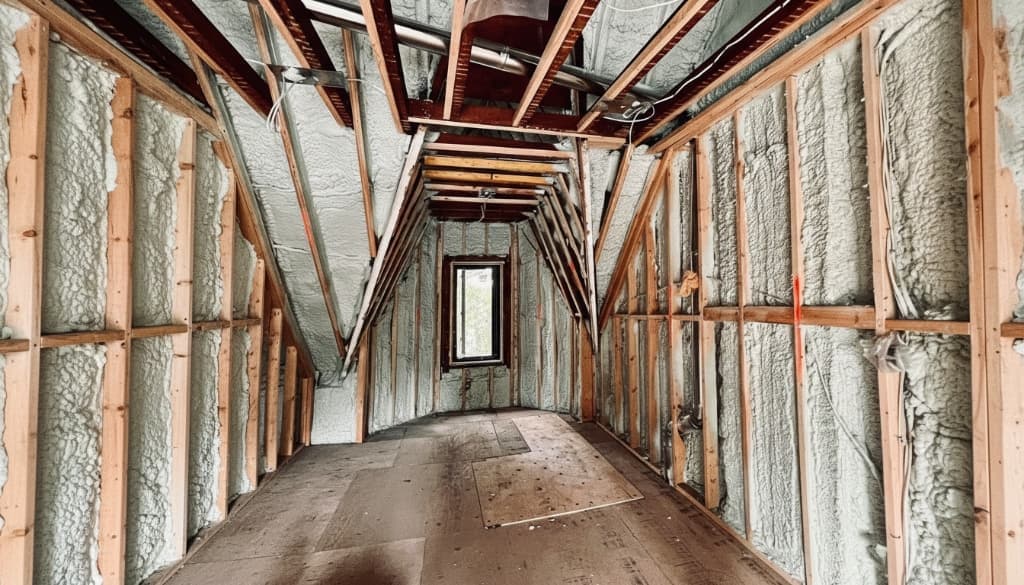
The absolute only legitimate path to bullet-proof a dormer is directly blasting 2lb closed-cell spray foam straight into the tiny cavities.
- Surgical Precision: The rapidly expanding foam instantly fills every insane geometrical angle, wedge, and blind corner that physical fiberglass simply cannot reach without shredding.
- Incredible Density: Closed-cell foam deeply packs R-6 to R-7 into every single inch. You easily hit the strict R31 code while completely preserving your desperately needed headroom.
- Maximum Air Seal: Because the entire dormer structure is completely glued together in rigid airtight foam, highly destructive winter wind totally fails to penetrate the upper floor.
Cost Parameters
Treating a dormer effectively involves extremely tight technical labor and utilizes dense 2lb foam running aggressively between $3.00 and $5.00 per sq.ft. Although the upfront deployment is significant, it actively guarantees that the upper-floor bedroom doesn't turn into a freezing icebox in January.
Conclusion
Insulating a dormer properly demands extremely tight, flawless coverage that strictly blocks air and massively resists heat transfer. Fibrous batts completely fail this objective.
For absolute thermal perfection, connect urgently with the certified installation experts at Sprayfoam Solutions Toronto Inc. to aggressively cap your roof leaks!