Intumescent vs Cementitious Fireproofing: Which One?
Intumescent vs Cementitious Fireproofing: 2026 Ontario Overview & Code Essentials
Intumescent or cementitious? It's the first decision every architect, engineer, and building owner in Ontario faces when specifying structural steel fireproofing. Both methods protect steel from fire, but they work in fundamentally different ways, cost different amounts, and suit different building types. If you pick the wrong one, you're either overspending or underprotecting — and neither is acceptable when the Ontario Building Code is involved.
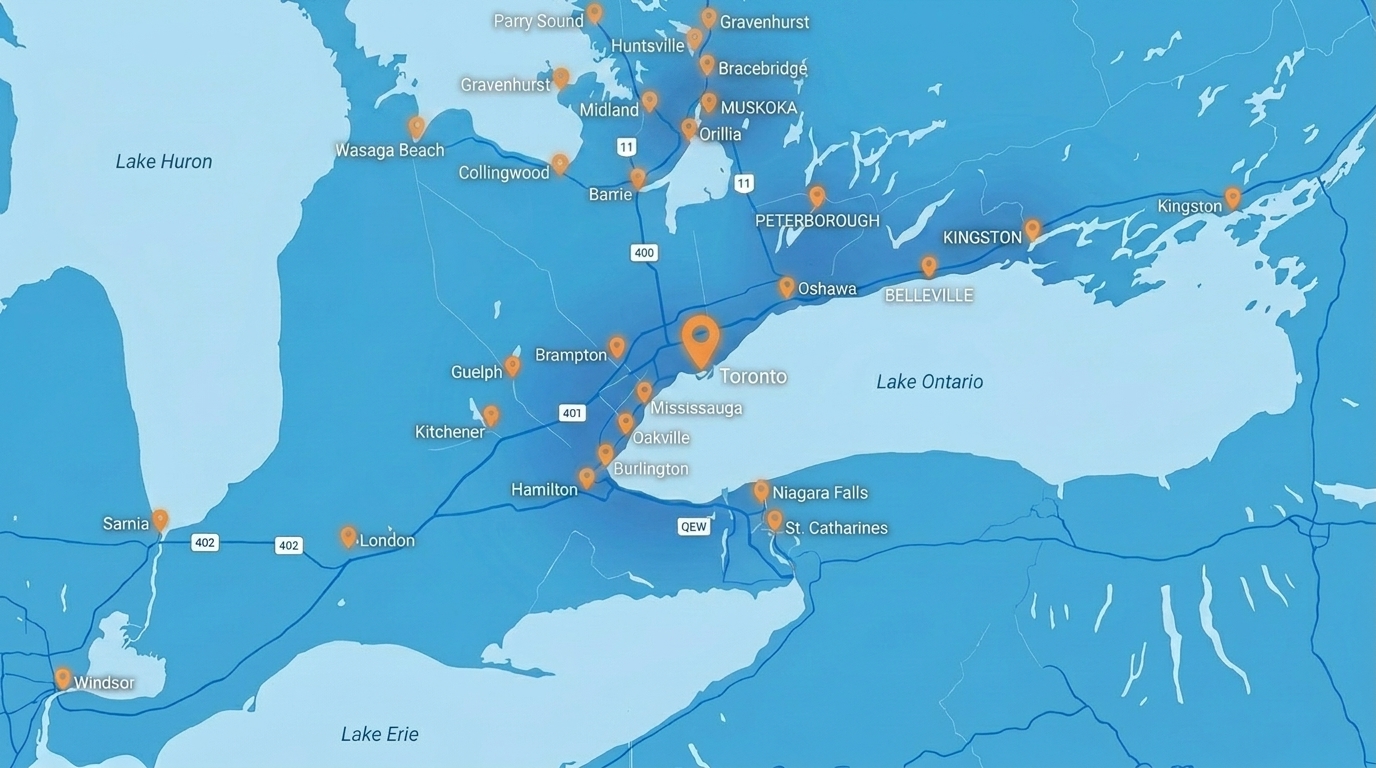
We apply both intumescent and cementitious fireproofing across Toronto, Mississauga, Vaughan, Hamilton, and Brampton. Here's the honest, contractor-level breakdown of how each system performs, what it costs, and which one your project actually needs.
How Intumescent and Cementitious Fireproofing Work
These two systems protect steel from the same threat — heat — but they take completely different approaches.
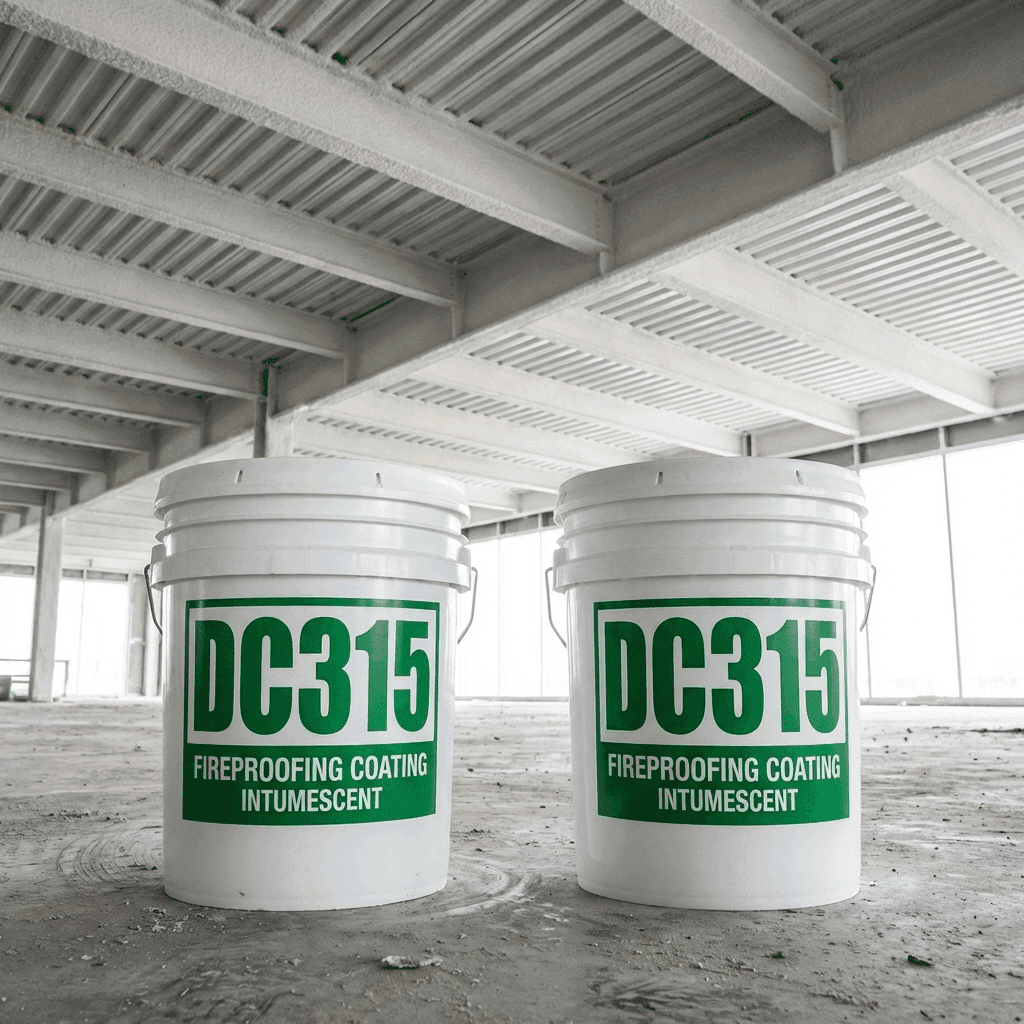
Intumescent coatings are thin-film products that look and feel like paint. At room temperature, they're typically 0.5–3mm thick on the steel surface. When fire hits, the coating reacts chemically: it swells (intumesces) to 20–50 times its original thickness, forming a thick, insulating char layer. This char slows heat transfer to the steel, keeping the structural member below its critical failure temperature of 538°C (1,000°F) for the rated duration.
We use intumescent products for exposed steel in offices, restaurants, retail spaces, and architectural projects where aesthetics matter. The coating looks like a premium paint job — you can even colour-match it to architectural specifications. For more on how these products work, read our intumescent fire coating guide.
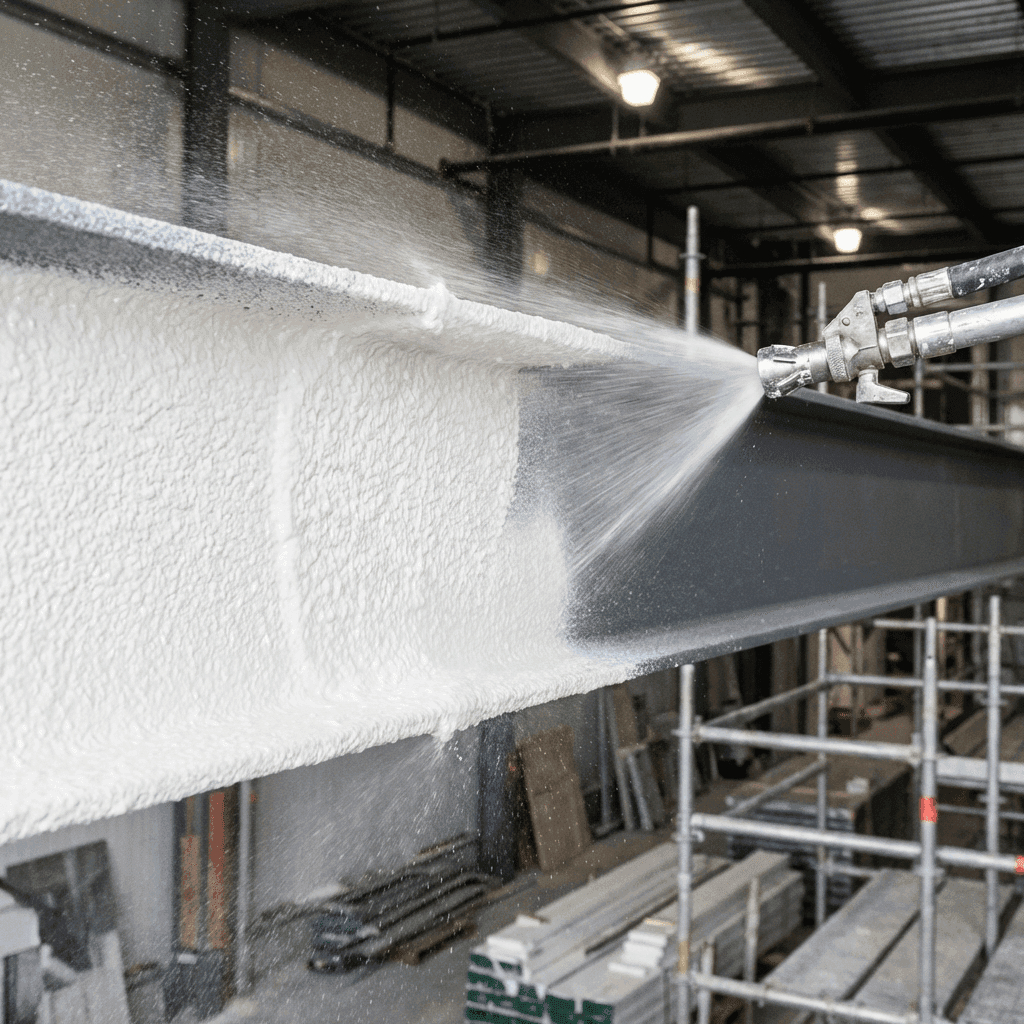
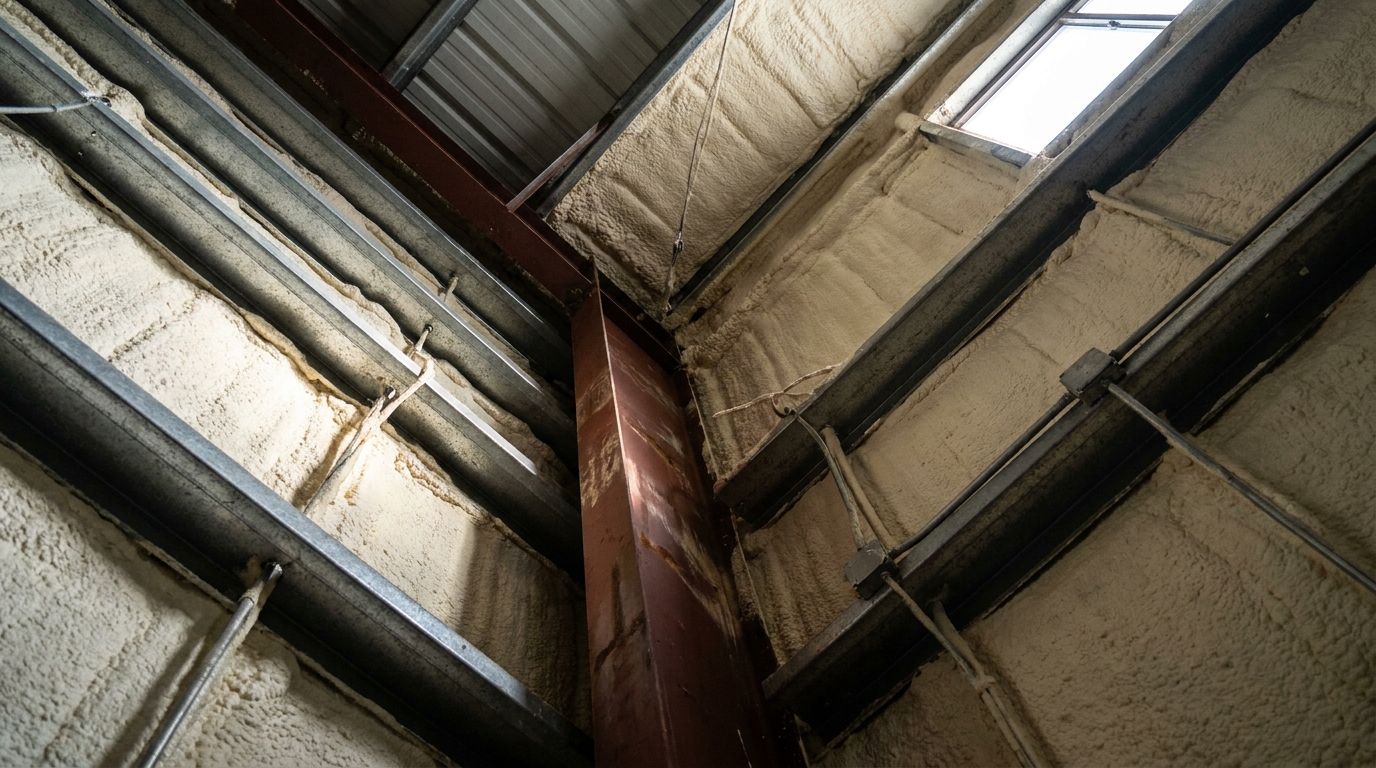
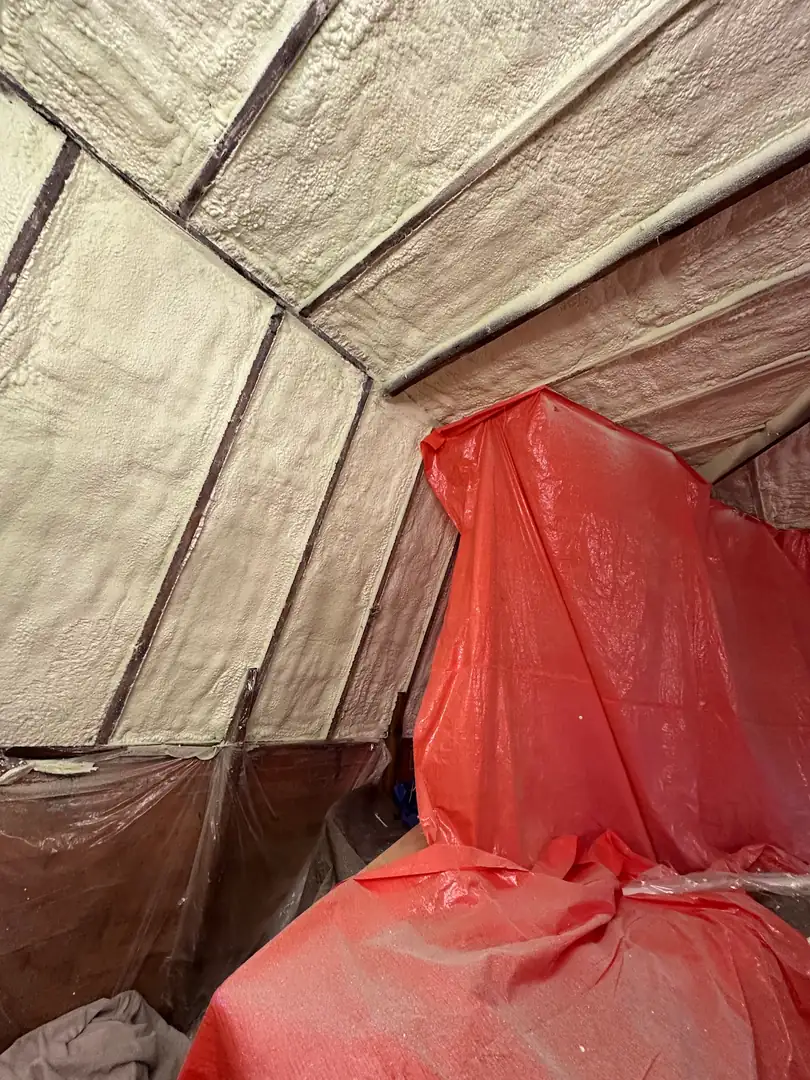
Cementitious fireproofing (also called SFRM — Spray-Applied Fire-Resistive Material) takes a brute-force approach. It's a thick, spray-applied layer of cement-based or gypsum-based material applied directly to structural steel. Typical thicknesses range from 12mm to 50mm+ depending on the fire rating required. The material itself has extremely low thermal conductivity, so it acts as a blanket that physically blocks heat from reaching the steel.
Cementitious products are the workhorse of fire protection on commercial and industrial projects across Ontario. They're cost-effective for large-area coverage behind walls, above ceilings, and in mechanical rooms where nobody sees the finish. Our cementitious fireproofing guide covers the full application process.
Head-to-Head Comparison: Intumescent vs Cementitious
Here's how the two systems compare across every factor that matters on an Ontario construction project:
| Feature | Intumescent Coating | Cementitious (SFRM) |
|---|---|---|
Appearance | Smooth paint finish, colour-matchable | Rough, textite — usually hidden |
Typical thickness | 0.5–3mm(dry film) | 12–50mm+ |
Weight on structure | Negligible | 15–25 kg/m² depending on thickness |
Fire ratings available | 1-hr, 1.5-hr, 2-hr(up to 3-hr for some products) | 1-hr through 4-hr |
Testing standard | CAN/ULC S101 | CAN/ULC S101 |
Application method | Spray or brush(multiple coats) | Spray-applied(single or multi-pass) |
Cure time | 24–72 hours between coats | 24–48 hours full cure |
Durability | High — resists impact and abrasion | Moderate — can chip if impacted |
Moisture resistance | Good — most products are water-resistant | Low — absorbs water, needs dry conditions |
Cost(installed) | $$$$ — Premium | $$ — Economical |
Best for | Exposed steel, architectural, high-traffic | Concealed steel, large-area coverage |
The cost difference is significant. Intumescent coatings typically run 3–5x more per square foot than cementitious SFRM. On a 50,000 sq ft commercial project in Toronto, choosing intumescent over cementitious for concealed steel could add $100,000+ to the fireproofing budget with no functional benefit.
For current cementitious pricing, check our cementitious fireproofing cost guide.
Ontario Building Code Requirements for Structural Steel
The Ontario Building Code specifies fire resistance ratings for structural steel based on building occupancy, height, and area. Here's a simplified breakdown:
- 1-hour fire rating — Required for most Part 9 residential buildings, small commercial buildings, and single-storey retail.
- 1.5-hour fire rating — Common for mid-rise commercial buildings (3–6 storeys), hotels, and office towers.
- 2-hour fire rating — Required for high-rise buildings (7+ storeys), hospitals, assembly buildings, and certain institutional occupancies.
- 3 to 4-hour fire rating — Reserved for high-hazard industrial, critical infrastructure, and stairwell/elevator shaft assemblies in tall buildings.
Both intumescent and cementitious products must be tested to CAN/ULC S101 (Standard Methods of Fire Endurance Tests of Building Construction and Materials). The listing must match the steel section, beam size, and assembly type on your project. You can't just pick any fire coating product and assume it'll meet code — the specific ULC listing has to cover your exact steel configuration.
This is where having a fireproofing contractor who understands the code pays off. We review your structural drawings, match the correct product listings, and ensure every column, beam, and connection meets the required fire rating. Visit our intumescent fire coating service page or cementitious fireproofing service page for details.
When to Use Intumescent vs Cementitious
The decision usually comes down to three factors: visibility, budget, and required fire rating.
Choose intumescent when:
- Steel is architecturally exposed and visible to occupants — restaurants, lobbies, retail spaces, loft-style offices.
- The building design calls for a clean, painted finish on structural steel.
- Fire ratings of 1-hour to 2-hour are required (intumescent products are most cost-effective at lower ratings).
- The steel is in a high-traffic area where cementitious would get damaged or look industrial.
Choose cementitious (SFRM) when:
- Steel is concealed behind drywall, above drop ceilings, or in mechanical rooms.
- Budget is a primary concern — SFRM costs a fraction of intumescent for the same fire rating.
- Higher fire ratings (3-hour or 4-hour) are required — cementitious products handle these ratings more easily.
- Large coverage areas need to be fireproofed quickly — SFRM goes on fast with spray equipment.
Use both on the same project — This is common on mid-rise and high-rise builds in the GTA. The lobby columns get intumescent for aesthetics, while the concealed floor beams and mechanical room steel get cementitious for cost efficiency. We handle multi-system projects regularly across Toronto, Mississauga, and Hamilton.
For a broader look at how thermal and ignition barriers differ from structural fireproofing, read our thermal barrier vs ignition barrier guide.
Frequently Asked Questions About Fireproofing Methods
Most intumescent products are listed for up to 2-hour or 3-hour fire ratings. For 4-hour ratings, cementitious SFRM is the more practical and cost-effective choice. The thickness of intumescent coating needed for 4-hour protection would be excessive and expensive.
Standard cementitious SFRM absorbs water and must be applied in dry conditions. It's not suitable for exterior or wet environments without additional protection. For areas with moisture exposure, we recommend intumescent coatings or specialized moisture-resistant SFRM products.
It depends on the project size and fire rating. A 10,000 sq ft floor plate with cementitious SFRM typically takes 2–3 days. Intumescent coating requires multiple coats with cure time between each, so the same area might take 5–7 days. We schedule around other trades to avoid delays.
Yes. Ontario building inspectors verify fireproofing thickness using pin gauges or probe testing. The applied thickness must meet or exceed the ULC listing specification for the required fire rating. We conduct our own thickness checks before calling for inspection to avoid failures.
Yes, if the cementitious SFRM is exposed in a finished space. However, the paint must be compatible with the SFRM product and cannot compromise the fire rating. In most cases, it's more cost-effective to use intumescent coating in visible areas rather than applying and painting SFRM.
Get the Right Fireproofing for Your Project
Choosing between intumescent and cementitious fireproofing comes down to visibility, budget, and code requirements. We apply both systems across Ontario and can help you spec the right product for every structural member on your project. Call us at 647-333-3626 or fill out the form below for a project-specific assessment.