Tips for Meeting Minimum R-Value for Exterior Walls in Ontario (2026)
Tips for Meeting Minimum R-Value for Exterior Walls in Ontario (2026): 2026 Ontario Overview & Code Essentials
Ontario's climate poses unique challenges. Our freezing winters dropping to -20°C (-4°F) and hot summers make proper insulation an absolute necessity rather than a luxury.
If your exterior walls are below the minimum Ontario Building Code R-value, you will be liable for excessive heat loss, terrifying energy bills, and rapid moisture rot inside your framing.
Let's discuss what the specific Ontario 2026 codes are, and why certain insulation materials completely fail while others overperform.
Understanding Minimum R-Value for Exterior Walls in Ontario
By law, new construction and massive renovations must satisfy intense thermal resistance criteria to pass inspection:
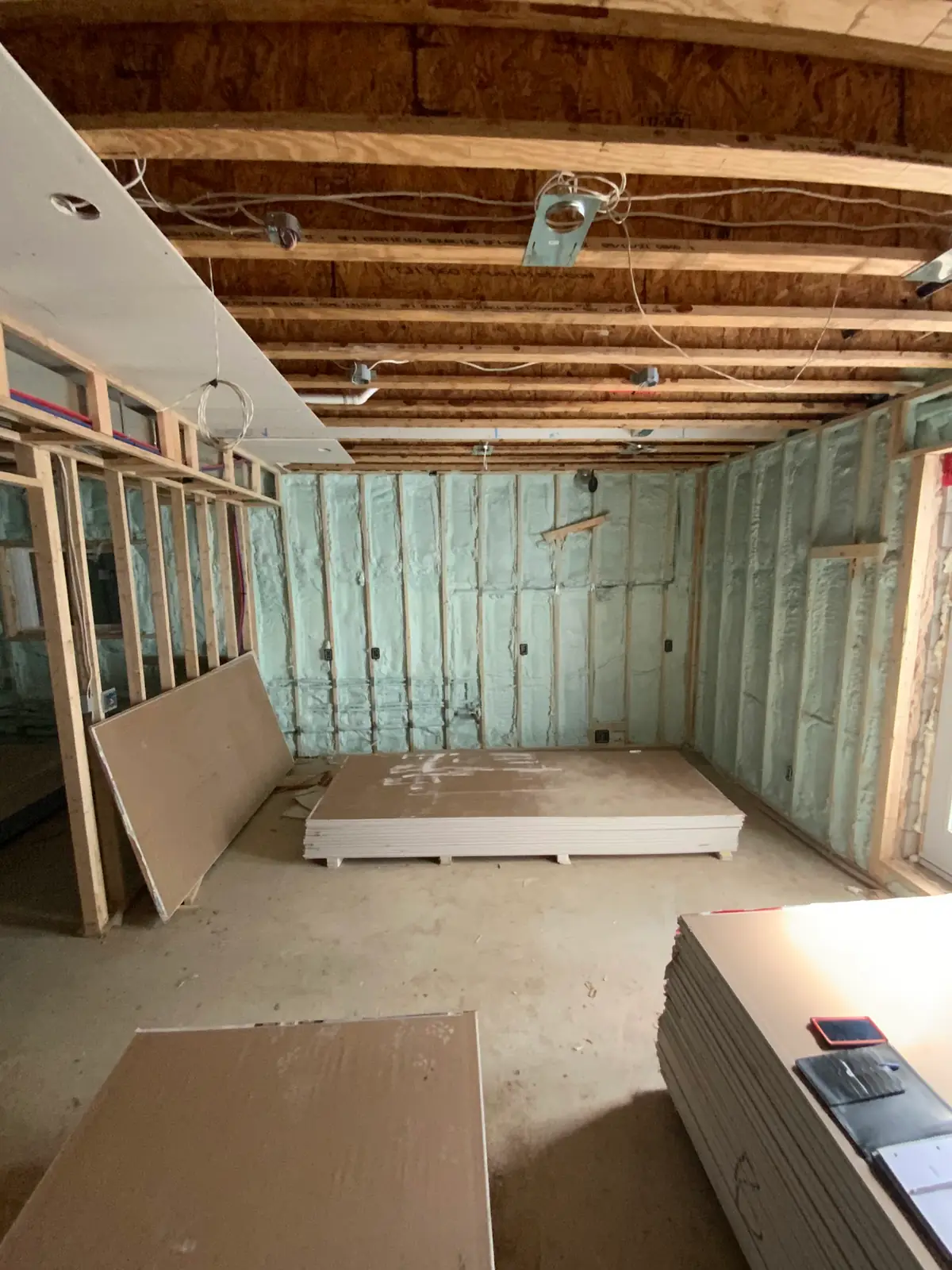
- Basement Walls (Below Grade): Must achieve a minimum of R-20.
- Exterior Walls (Above Grade): Must achieve R-22 or R-24 depending on specific structural framing sizes.
- Overhangs and Ceilings: Must achieve R-31.
Best Insulation Materials for Meeting Ontario Codes
Achieving a continuous, gap-free R-22 in a standard 2x6 wall cavity is highly difficult with cheap, outdated building materials. Let's look at your options:
- Fiberglass Batt Insulation (R-3.1 per inch): Cost-effective initially, but highly vulnerable. Batts leave gaps around every single wire, creating massive thermal bleeding. Must be perfectly paired with a dangerous plastic vapor barrier.
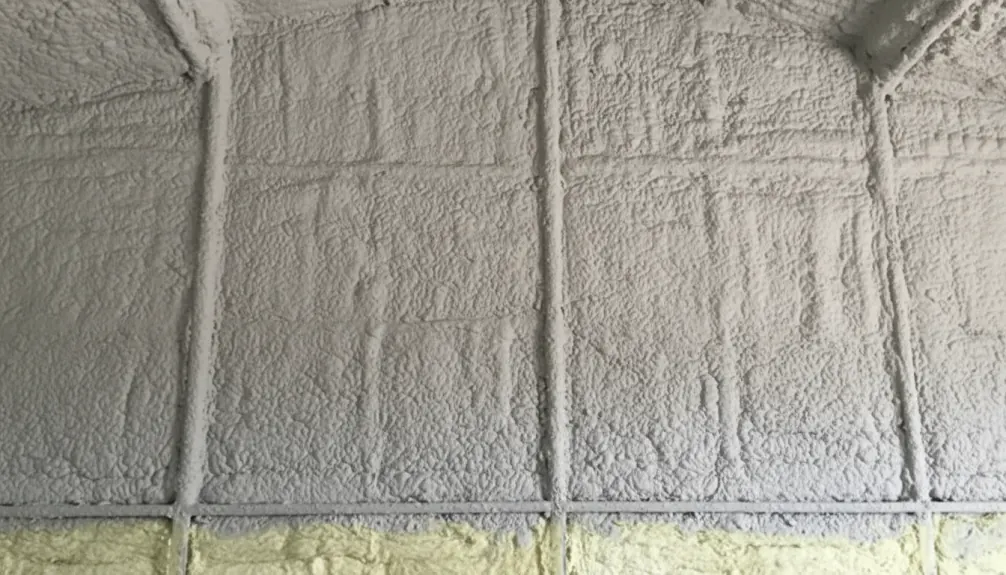
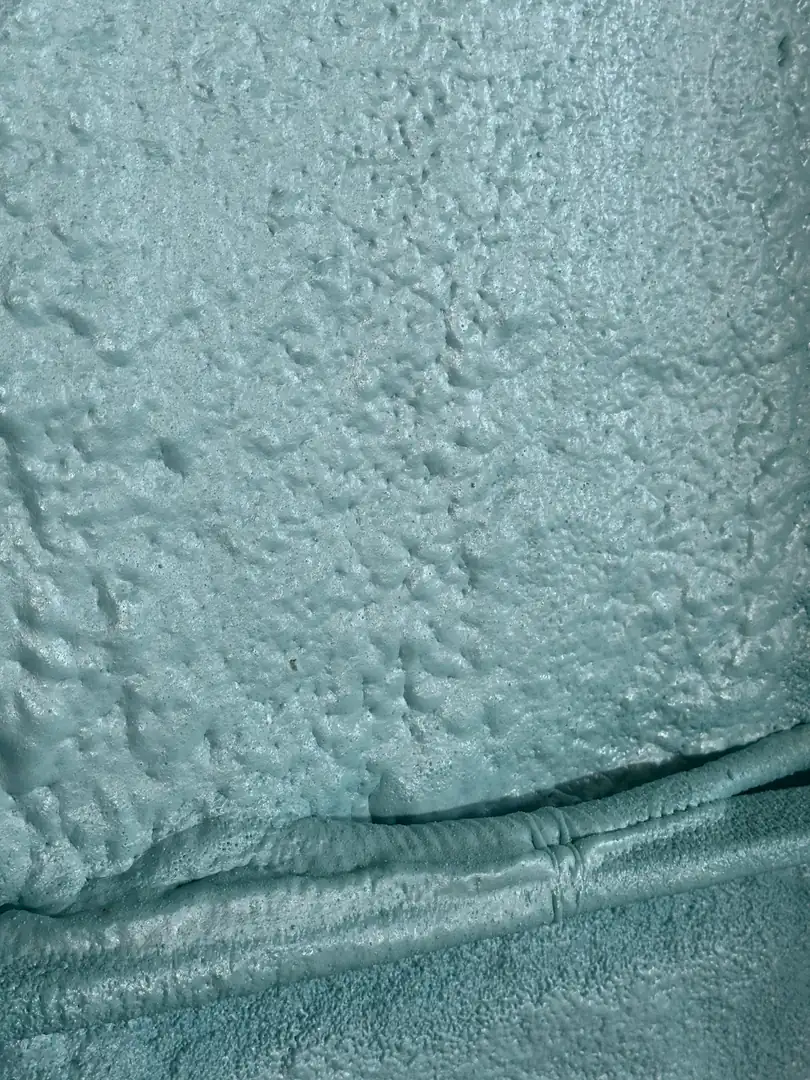
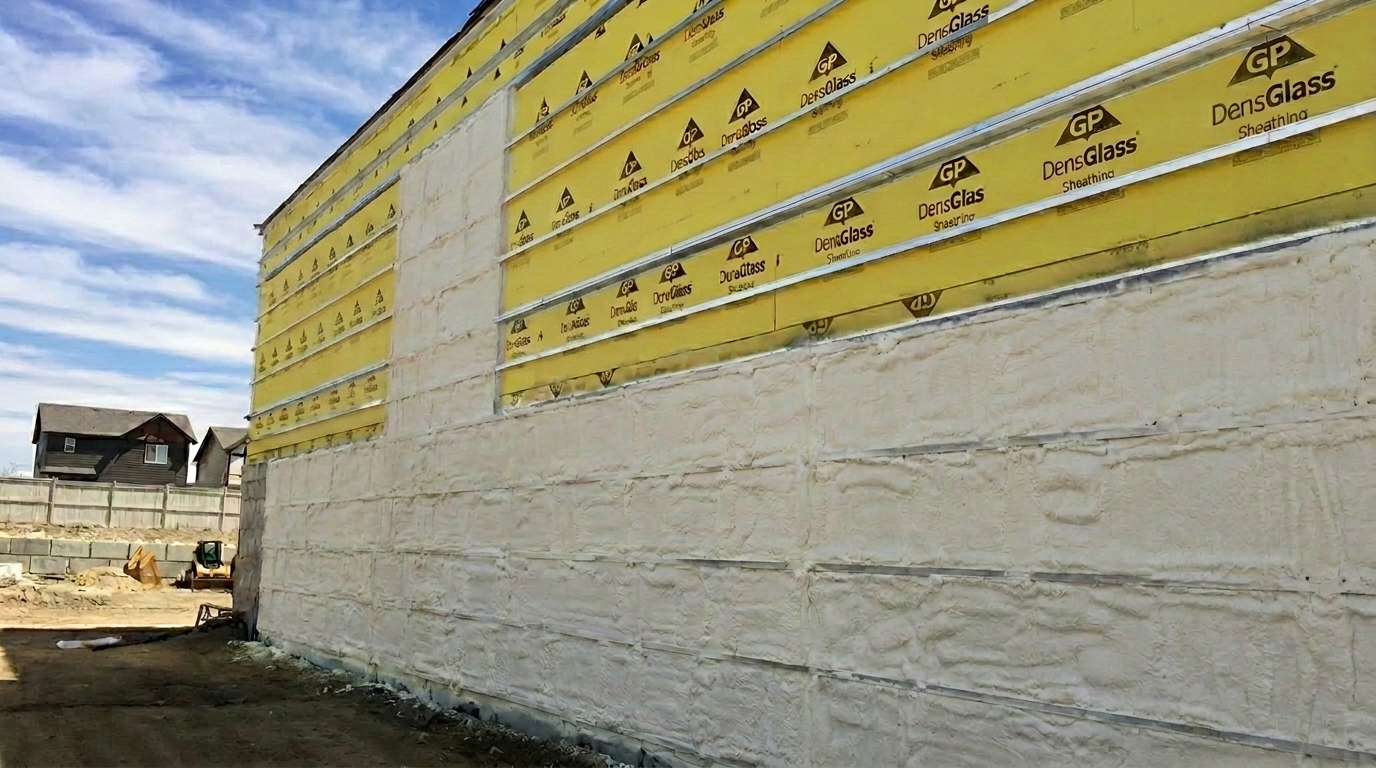
- 2lb Closed-Cell Spray Foam (R-6 to R-7 per inch): The undisputed ultimate material. A few quick inches of closed-cell foam easily hits R-22 or R-24 while establishing a seamless, impenetrable vapor barrier and air seal simultaneously.
Attempting to hit R-22 with fluffy batts leaves absolutely no room for error. If the batt compresses slightly, you instantly lose the R-value and fail your inspection. Spray foam sets rigid and stays perfect forever.
Preventing Air Leaks and Moisture Disasters
Air leaks and moisture buildup can utterly compromise wall insulation. Standard fiberglass requires an independent plastic 6-mil poly vapor barrier. If your electrician puts a single hole in that plastic sheet, warm humid air enters the wall during winter, hits the cold fiberglass, instantly turns to water, and grows black mold.
Conversely, 2lb Closed-Cell Spray Foam inherently repels all moisture. Because the foam acts as its own vapor barrier, there is no plastic sheet to rip, and no possibility of condensation forming in your beautiful exterior walls.
Conclusion
Meeting the minimum R-value for exterior walls in Ontario is not just about following confusing regulations–it's about protecting your home against severe climate swings and lowering your monthly utility costs instantly.
Upgrading the insulation in your home is one of the greatest investments you can make. With 2lb closed-cell spray foam, passing inspection is guaranteed.
Call the experts at Sprayfoam Solutions Toronto Inc. to secure your home's thermal envelope today!